
Who is responsible for a culvert on your property?
You are normally responsible for a culvert if it carries a watercourse on, under or along the boundary of your land, unless your deeds or another legal arrangement say otherwise. We treat that as the starting point, then check whether it is really a culvert, sewer, private drain or main river issue.
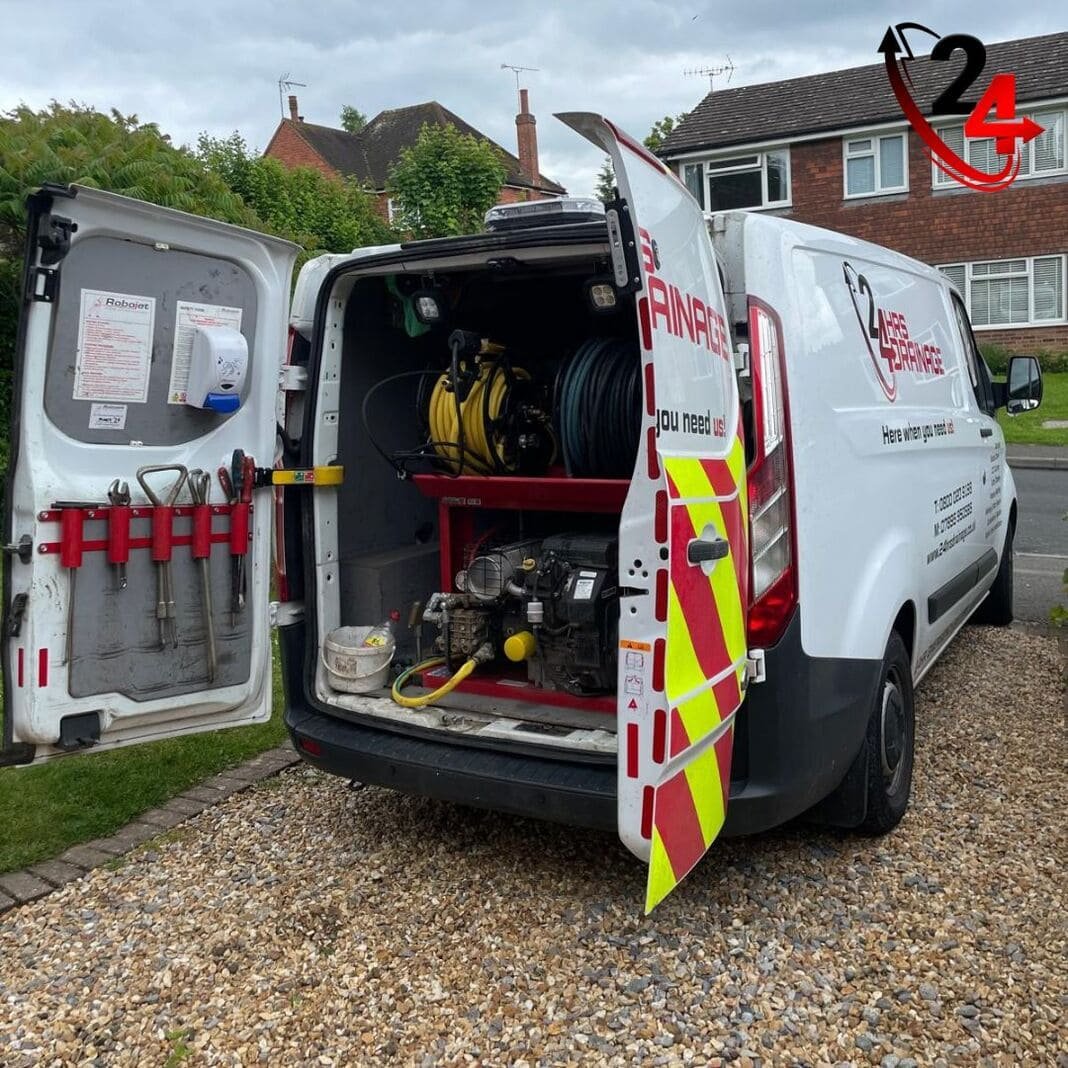
Buried watercourses can still create riparian responsibility
In England, responsibility normally starts with riparian ownership. A riparian owner is someone who owns land with a watercourse on it, under it, or along its boundary. Where the watercourse sits on a boundary, ownership commonly runs to the centre line unless the deeds say otherwise.
That rule matters because a culvert is not excluded just because you cannot see it. A culvert is an underground structure that water flows through, and a buried watercourse can still bring maintenance responsibility. The first useful document is your property deeds, especially if the culvert route, boundary position or ownership history is unclear.
Responsibility does not pass to the council or water company simply because the pipe is underground. Deeds, easements, public sewer status, highway assets, council land and main river status can all change the answer, so the right question is: what is this structure, where does it run, and who has legal or practical control of it?
Once a culvert is blocked, collapsed or disputed, ownership uncertainty becomes a risk issue. Flooding, sale enquiries, insurance questions and neighbour disputes all need evidence, not guesswork.
Honest advice and free quotes across Reading, Berkshire and surrounding areas.
Get a Free QuoteUnderground does not mean Thames Water
An underground pipe is not automatically a Thames Water asset. Across Reading, Berkshire and the Thames Valley, we see confusion because the same buried line may be called a pipe, drain or culvert on site, even though those words can point to different responsibilities.
At 24hrs Drainage, we often start by establishing what the pipe actually is, because responsibility follows the asset.
| Asset type | What it usually is | Responsibility clue | Who may need to be checked |
|---|---|---|---|
| Culverted watercourse | A watercourse carried through an underground structure | It forms part of a stream, ditch, brook, connected drain, pipe or passage through which water flows | Deeds, Environment Agency main river status, lead local flood authority |
| Private drain | A drainage pipe within the boundary serving only that property | It serves one property before joining another drain or sewer | Property owner, drainage specialist, deeds where needed |
| Shared sewer or public sewer | A sewer shared with neighbours or under public areas | Thames Water says it is responsible for sewers shared with neighbours and public sewers under roads and footpaths | Thames Water |
| Main river culvert or structure | A culvert or structure connected to a main river | The issue affects main river flow or sits within the main river system | Environment Agency |
A CCTV drain survey can help confirm the route, condition and likely asset type. That does not replace deeds or authority checks, but it gives you something concrete to use when a buyer, insurer, neighbour, water company or council asks what is actually underground.
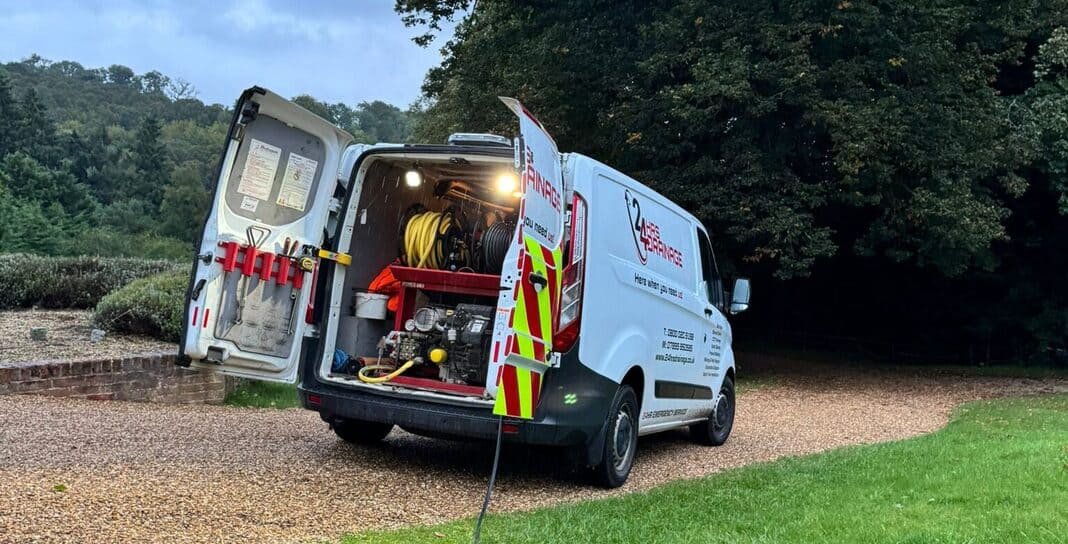
Keep deeds, plans and any survey output together in one file. A single bundle of evidence is easier to use when a buyer, insurer or solicitor raises the culvert question.

A riparian owner has real duties
A culvert crossing two gardens, a yard or a boundary can make a blockage more than a local inconvenience. If water backs up and another property is affected, responsibility has to be tied to the route of the watercourse and the point where the obstruction sits.
Riparian owner duties centre on natural flow. Owners must let water pass without obstruction, and they may have to deal with blockages, fallen trees or branches where these reduce flow or cause flooding to another landowner’s property. National guidance also makes clear that damages can follow where an obstruction causes flooding elsewhere.
Going inside a culvert is not a task for a property owner, landlord or facilities team. The risk is direct and practical, including being trapped or exposed to gases, so clearing or repair advice needs to come through the right risk management authority and the right drainage evidence.
For us, the professional threshold is simple: if the culvert is blocked, damaged, disputed or linked to flooding, the work starts with identifying the route and condition from outside the structure.
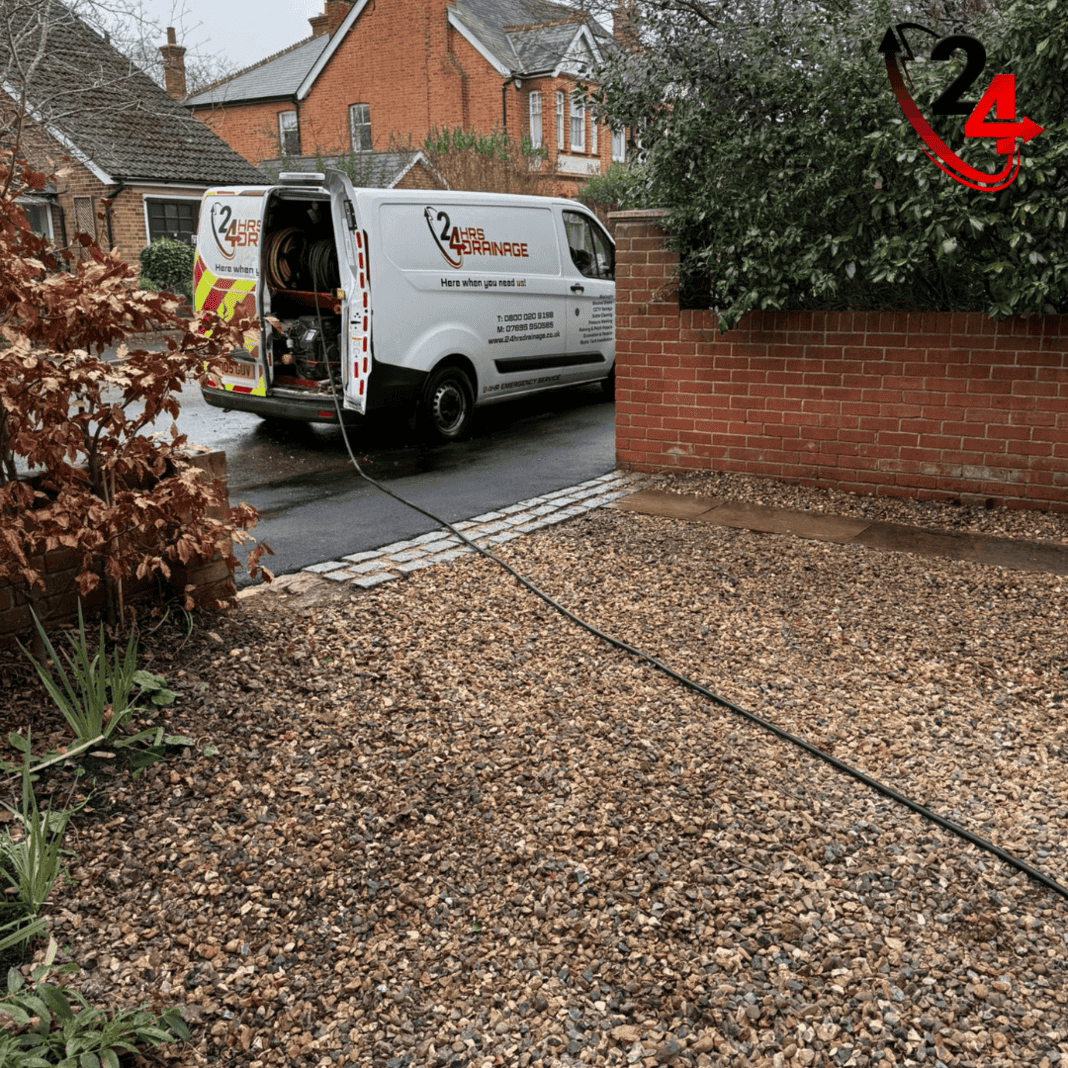
Permission comes before culvert works
When the answer involves repair or alteration, responsibility is only half the issue. Owning or maintaining a culvert does not give you a free hand to block, fill, divert, enlarge, repair or remove it without checking consent.
Use this order before anyone commits to works:
- Check deeds and route evidence. Ownership wording, boundary lines and easements can change the responsibility position.
- Check whether the watercourse is a main river. Main river work sits with the Environment Agency permitting route.
- Identify whether the issue is a culverted watercourse, private drain or sewer. A wrong label sends the problem to the wrong party.
- Speak to the relevant authority where consent or permitting may be needed. Around Berkshire, that could depend on whether the property sits in Reading, West Berkshire, Wokingham, Bracknell Forest, Slough or another council area.
- Use drainage evidence where condition, route or blockage location is disputed. A clear report gives the authority, insurer or buyer something specific to review.
For ordinary watercourses, the lead local flood authority is usually the council flood authority, unless an internal drainage board applies. West Berkshire Council gives a useful local example: erecting or altering a culvert likely to affect the flow of an ordinary watercourse requires consent under Section 23 of the Land Drainage Act 1991, whether the works are permanent or temporary.
West Berkshire Council also states that each ordinary watercourse consent costs £50, and consent must be granted before work starts. It cannot be granted after works are already completed or underway. The council says the maximum decision period is two months from confirmation of receipt, which matters if a repair programme or property sale depends on approval.
Main river work follows a different route. Environmental permitting rules apply to work on or near a main river, flood defence, flood plain or sea defence, and the Environment Agency is the authority to check where main river status is in play.
If the route or status is unclear, treat the wording in old documents with care. A buried watercourse can still affect responsibility even when the structure is not obvious on site.
Evidence settles more than opinion
A sale can stall because a buyer asks who owns a culvert. An insurer can ask where a blockage sits before treating a flood claim as a drainage issue. A neighbour can point to water backing up and assume the nearest landowner is at fault. None of those conversations moves far if nobody can prove what the structure is.
At 24hrs Drainage, we help establish the physical facts through CCTV drain surveys, urgent clearance where suitable and clear condition evidence. The useful outputs are practical: route, condition, blockage location and likely asset type. Those facts help you separate a culverted watercourse from a private drain, a shared sewer or a main river issue.
Local rules also make assumptions risky. West Berkshire Council defines an ordinary watercourse broadly, including a river, stream, brook, ditch, connected drain, culvert, pipe or other passage through which water may flow, provided it is not designated as a main river.
The common misconception is that “not on a map” means “not my problem”. In West Berkshire, an ordinary watercourse does not have to be recorded on a map, so an unmapped culvert can still matter and still needs to be identified before anyone treats it as irrelevant.
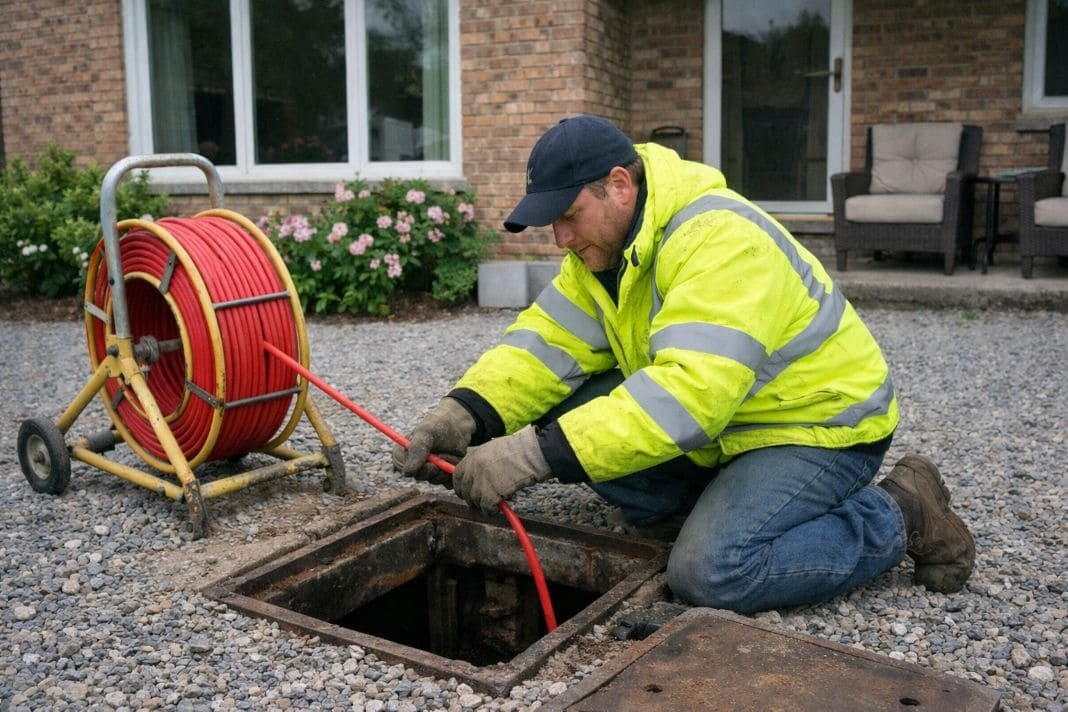
Whatever the problem — blocked, cracked, slow or smelly — we'll diagnose it properly.
Book an EngineerQuestions we get asked about culvert responsibility
Can you be responsible for a culvert you did not know was there?
Yes, you can still have responsibility if the culvert carries a watercourse on, under or along your land. Lack of knowledge does not settle ownership, so deeds and physical route evidence matter.
What if a culvert runs under several properties?
Responsibility can be shared or split depending on the route, boundary position and legal documents. We look for evidence that shows where the culvert runs and where any blockage or collapse is located.
Is a connected drain always a sewer?
No. A connected drain may form part of an ordinary watercourse, or it may be part of a drainage or sewer system. The route, what it carries and where it connects decide the next responsibility check.
Can temporary culvert works need consent?
Yes, temporary works can still need consent if they affect the flow of an ordinary watercourse. West Berkshire Council’s local guidance treats temporary and permanent works as matters to check before work starts.
What information helps if a solicitor, buyer or insurer raises a culvert query?
Useful information includes deeds, any existing plans, the visible route, the likely asset type and drainage evidence showing condition or blockage location. A clear factual record prevents the discussion relying on labels or assumptions.
