
Why has your insurer refused or questioned your drainage claim?
We look first at cover, pipe responsibility, cause and evidence. An insurer may accept that your drain problem is real and still refuse the claim if the policy does not cover that pipe, an exclusion applies, or the report fails to prove why the repair was necessary.
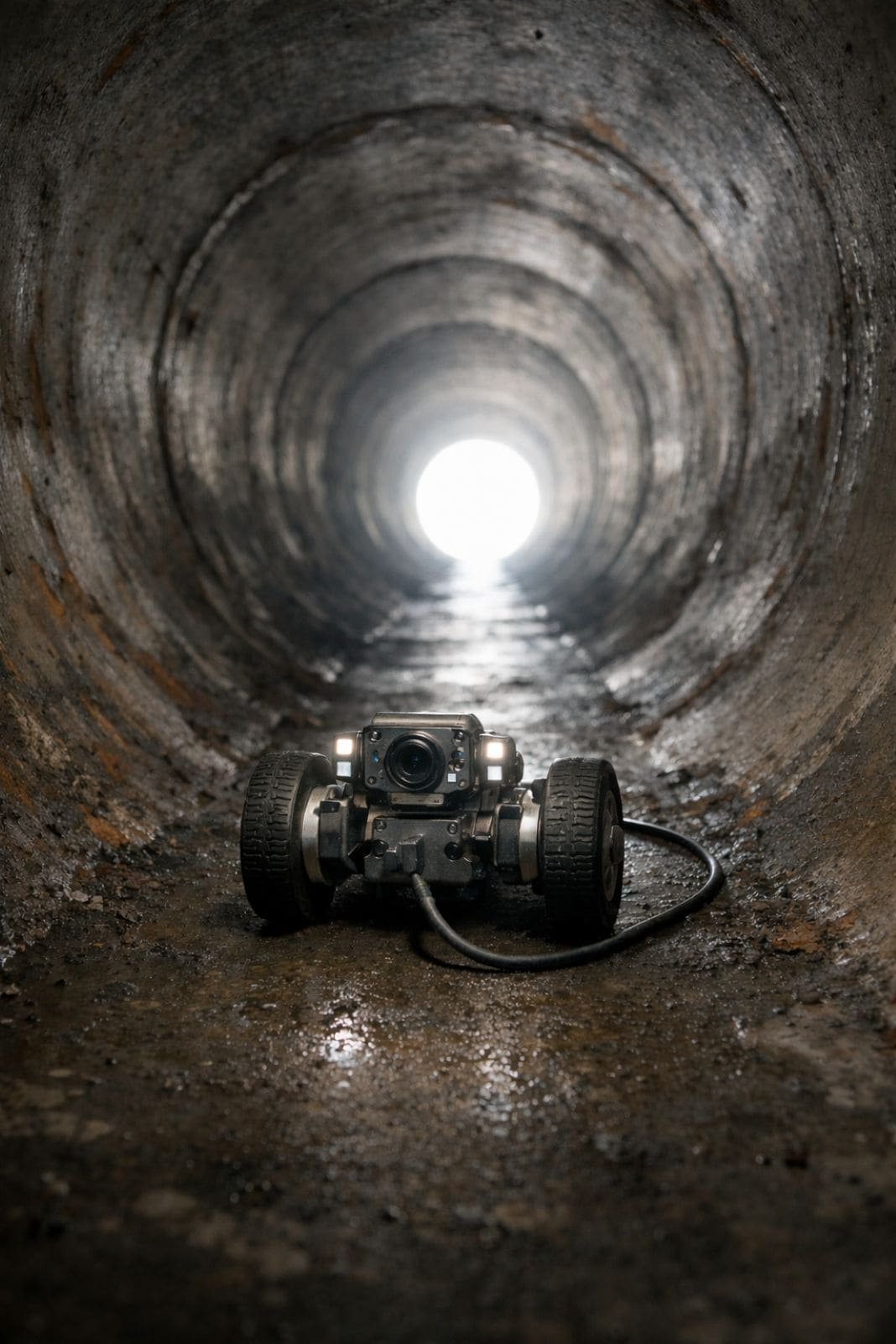
The short answer is evidence, not drain terminology
A real drain problem does not automatically become an insured claim. A blocked drain, collapsed pipe, foul-water backup or suspected underground defect still has to be linked to policy cover, your responsibility for the pipe, the cause of failure and the need for the repair.
That distinction catches people out. The label on the problem matters less than the claim record behind it. We want the evidence to show what failed and what the evidence proves about cause, extent and repair necessity.
Buildings insurance commonly deals with underground services such as pipes and drains, but cover generally applies only where you are legally responsible for the pipe. Damage also does not have to mean a clean visible break. A drain that has lost function because it cannot carry water can still sit within the argument about damage, provided the evidence explains that clearly.
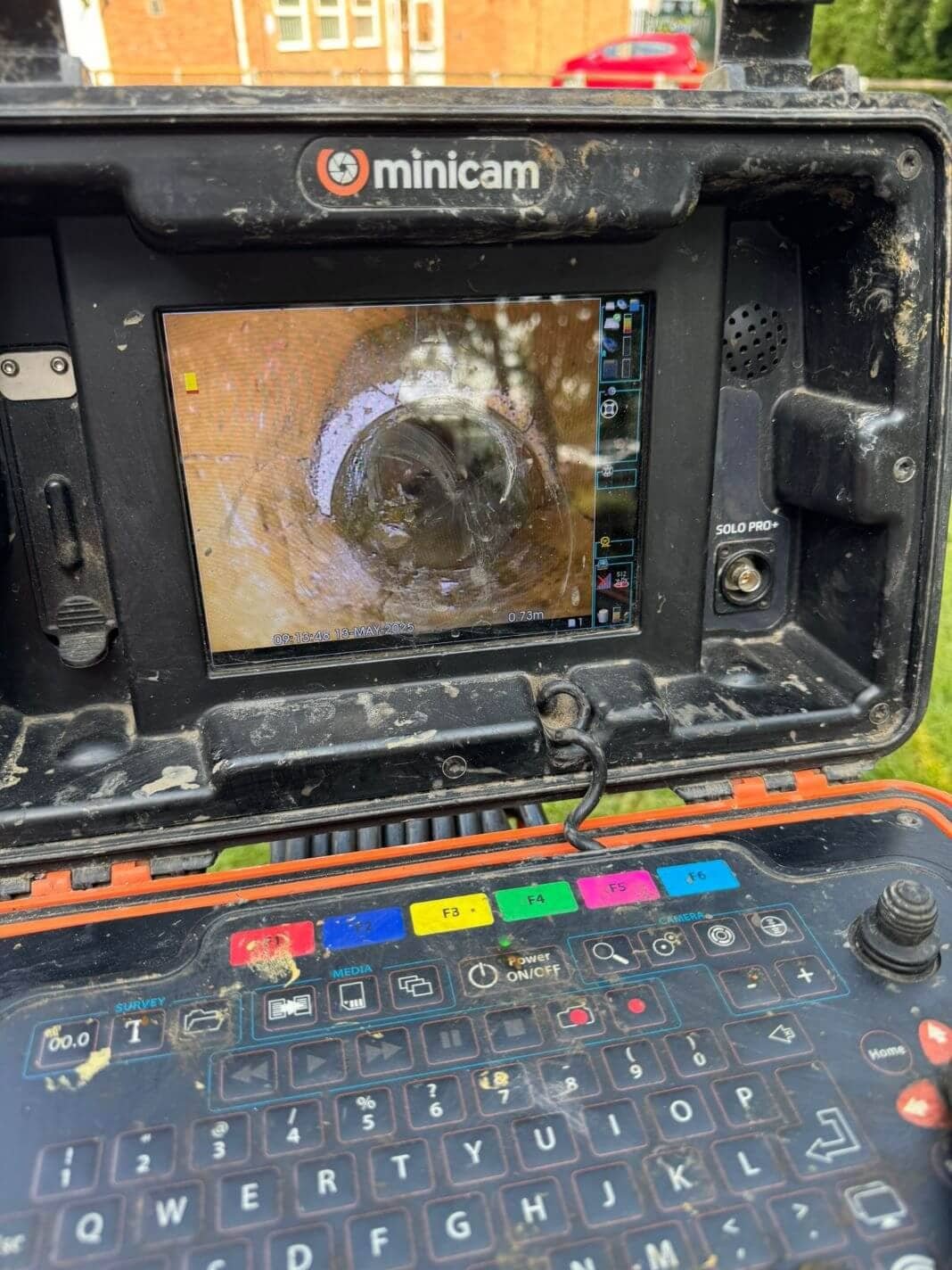
A CCTV drain survey for insurance can help, but the survey is only the start. The drainage report has to answer the insurer’s actual questions, otherwise the claim can stall even when the footage shows a genuine problem. Refusals usually sit in one of a few categories.
Honest advice and free quotes across Reading, Berkshire and surrounding areas.
Get a Free QuoteThe refusal reason matters more than the refusal wording
Two properties can have similar drainage failures and face very different outcomes. One claim can fail because the damaged pipe is outside the policyholder’s responsibility, and another can fail because the report does not prove whether the cause was accidental damage, gradual damage or wear and tear.
For Reading, Berkshire and Thames Valley properties, shared drains and public sewer responsibility can matter as much as the defect itself. Boundary evidence, pipe runs and ownership questions need to be separated from the repair cost, because an insurer will not assess all of those points as one issue.
| Refusal basis | What the insurer is really saying | Evidence that helps |
|---|---|---|
| No policy cover for underground drains | The policy wording does not include the damaged service | The relevant policy section and a report identifying the damaged part |
| You are not responsible for the pipe | The pipe may be shared, public or water company owned | A drainage layout, boundary context and evidence of where the defect sits |
| No insured damage proved | The problem has not been shown as physical or functional damage | A report explaining loss of function, defect type and effect on flow |
| Wear and tear or gradual damage | The insurer says the cause falls under an exclusion | Condition evidence, defect location and a clear cause assessment |
| Repaired before inspection | The original defect is no longer available to inspect | Photos, a detailed drainage report and an itemised invoice |
| Damaged part not covered | The policy covers some parts of the drainage system but not this one | A report that identifies the exact run and affected section |
Wear and tear and gradual damage appear often in drainage disputes, and they need evidence rather than argument. If the refusal says “wear and tear”, the useful response is a report that explains the condition, cause and timing as far as the pipe evidence allows.
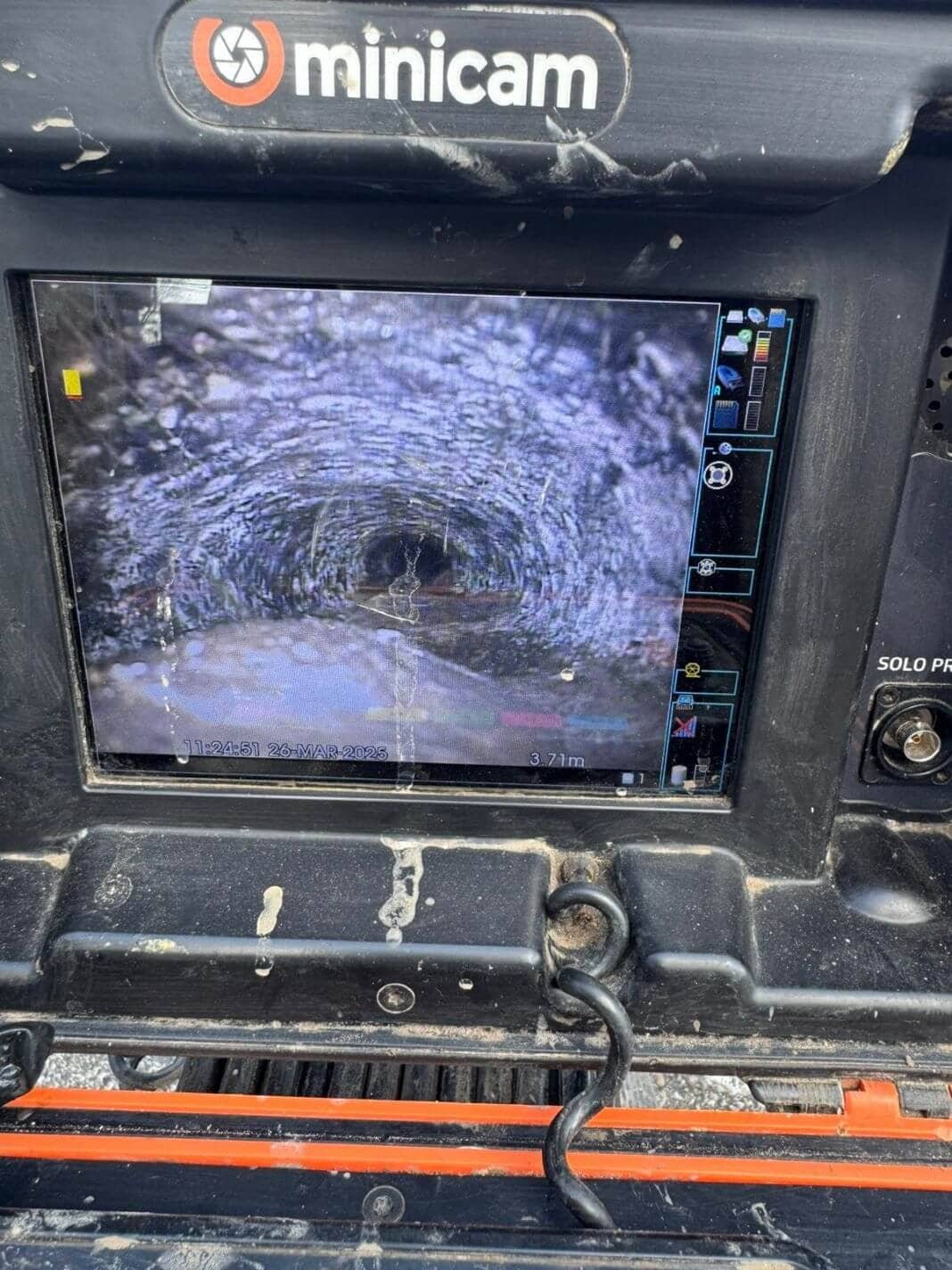
The same CCTV footage can support different points depending on the written report. A clip may show a defect, but the report must say where that defect is, what part of the system it affects and why it matters to the claim.
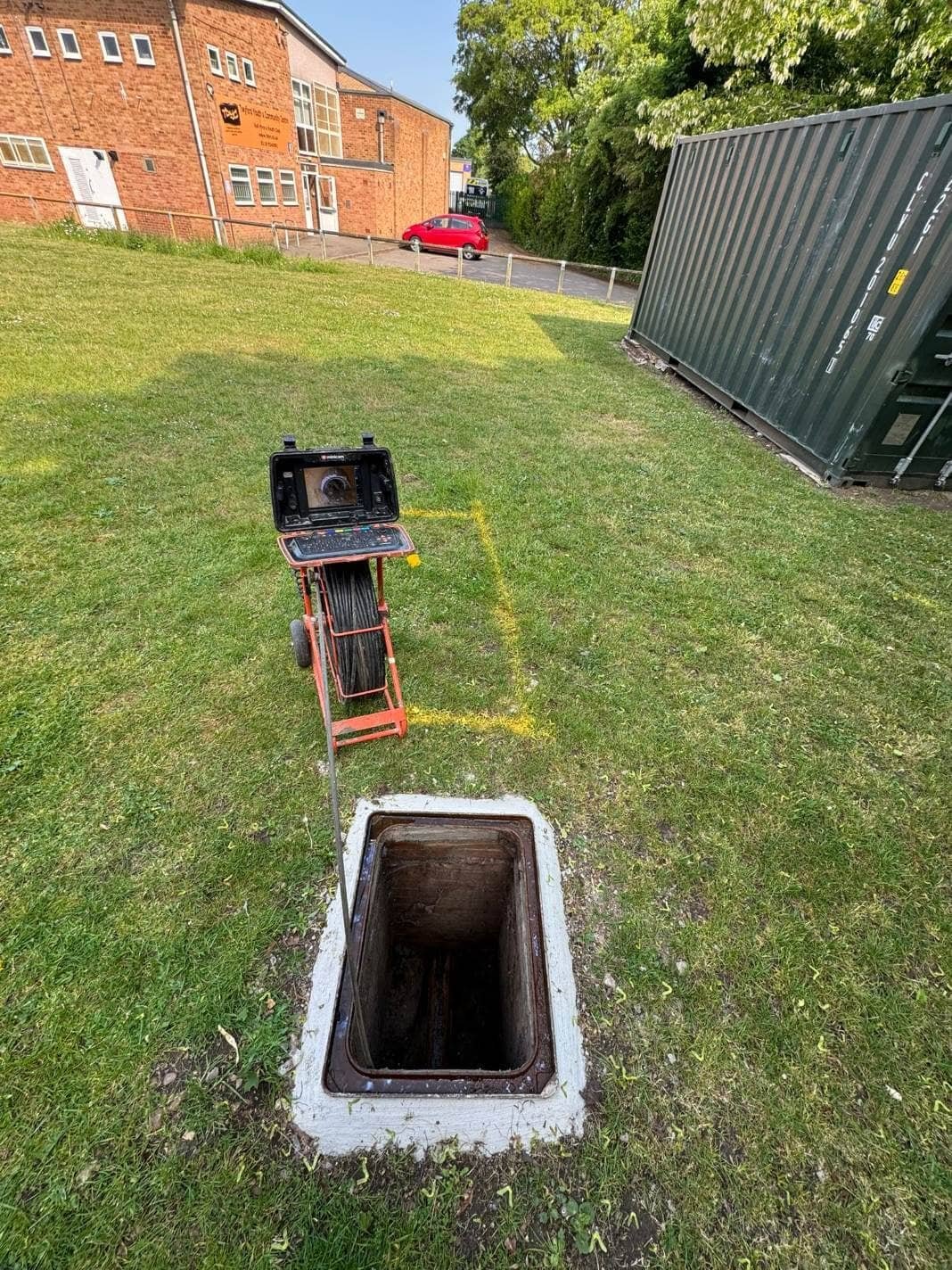
Keep the report aligned with the invoice and photographs. A mismatch between what was found, what was repaired and what was billed gives the claim handler room to query the file.

The CCTV report must prove the claim
Treating the CCTV survey itself as the evidence is a common mistake. The survey finds and records the drainage issue, but the drainage report turns that finding into something an insurer, loss adjuster or claim handler can assess.
A short note saying a pipe is “serviceable” or “not serviceable” is weak because it does not explain the reason. The Financial Ombudsman Service has made clear that a stronger report needs enough detail to show pipe condition, layout, defects by run and distance, pipe material and changes in material.
At 24hrs Drainage, we focus on documenting cause, extent and repair necessity in plain terms, because a claim-grade CCTV drainage report has to be readable by someone who is not a drainage engineer. The report should translate the fault into the evidence the claim needs.
The report details that carry weight
A useful drainage report does several jobs at once. It identifies the defect, fixes it to a place in the drainage system and explains why the chosen repair follows from what was found.
- Pipework layout. A diagram or clear layout helps show where the drain runs and whether the defect sits on a private run, shared drain or another section.
- Defect location and distance along the pipe matter because a vague statement that a drain is damaged leaves too much open to dispute.
- Pipe condition and material. Material changes, deformation, cracking and blockages need to be described in a way that links the condition to function.
- Repair rationale. The report should explain why repair, relining, excavation or another professional option was necessary, without turning the document into a sales note.
- Coding and grading can add objectivity where used properly. WRc refers to recognised reporting through the Manual for Sewer Condition Classification 5th Edition and BS EN 13508-2, with Sewer Risk Management internal condition and operational grades scored from 1 to 5, where 5 is the worst condition.
Footage has its place, but video is rarely the strongest answer on its own. A well-written report gives the insurer an explanation it can assess.
The repair record protects urgent claims
When a drain has to be made safe or functional before inspection, the claim does not automatically fail. Urgent work raises the standard of evidence, because the original defect may be covered, cut out, cleaned away or otherwise changed by the repair.
Before repair removes the evidence, the record needs to show what was found and why delay was not sensible. In a landlord or commercial drainage claim, that may include tenant impact, business interruption pressure or a hygiene issue affecting use of the premises. We keep the focus on the drainage facts because the insurer still has to see a clear link between the problem and the work carried out.
During urgent work, notes and images need to match the later report. Acting quickly is not the same as leaving no record. If the paperwork says one thing, the invoice says another and the photos show something else, the claim handler has a reason to query the file.
After the repair, the documents should line up. The practical record is normally photos, a detailed report and an itemised invoice, with each one supporting the same account of cause, extent and repair necessity. At 24hrs Drainage, we are used to drainage situations where timing matters, so the paperwork has to protect the claim position as well as record the completed work.
No contractor can make an insurer pay every urgent invoice. The point is narrower and more useful: urgent drainage work can remain credible when the evidence explains why the decision was made before the insurer inspected.
Where responsibility is disputed, the report should identify the exact run and affected section. That detail helps separate a private drain from a shared or public section before the claim is assessed.
Why stronger evidence changes the outcome
By the time a drainage claim has been queried, a lot of the useful evidence may already have changed. The pipe has been cleared, the failed section has been removed, the flooding has been cleaned up or the business has reopened because it had no real choice. Reconstructing the story later is harder than recording it properly while the work is live.
Fair claims handling matters. The Financial Conduct Authority expects insurers to handle claims promptly and fairly, give reasonable guidance, keep customers informed and avoid unreasonable rejection. In practice, your strongest control is the quality of the record you place in front of the claim handler.
Where an insurer accepts damage but relies on an exclusion such as gradual damage, wear and tear, poor design or poor workmanship, evidence matters on both sides. The insurer needs evidence for that exclusion, and your drainage report needs to set out the technical position clearly enough for the decision to be tested.
One approach is to fix the drain first and rebuild the claim file afterwards from memory, invoice lines and a few spare images. The better approach is to treat the drainage work and the evidence record as part of the same job, so the cause, responsibility and repair necessity are captured before they become difficult to prove.
Whatever the problem — blocked, cracked, slow or smelly — we'll diagnose it properly.
Book an EngineerQuestions we get asked about drainage insurance claims
Will insurance pay for tree root damage to drains?
Tree root damage depends on the policy wording, responsibility for the pipe and what the evidence says about cause. A drainage report needs to show the defect and explain whether the damage fits the policy, rather than assuming tree roots are automatically covered.
Does home emergency insurance cover the same thing as buildings insurance?
Home emergency insurance and buildings insurance are different types of cover. Emergency cover may deal with immediate access to help, while buildings insurance is usually where the cost of damage to underground pipes or drains is considered.
Can a landlord or property manager claim for drainage damage affecting tenants?
A landlord or property manager may have a claim if the policy covers the pipe, the insured party is responsible for it and the evidence supports the cause and repair. Tenant impact can explain urgency, but it does not replace proof of damage and responsibility.
Is a shared drain always an insurance problem for the homeowner?
A shared drain is not automatically the homeowner’s responsibility. The report needs to show where the damaged section sits, and the claim then has to be considered against the policy and pipe responsibility.
Can a declined drainage claim be looked at again with better evidence?
A declined claim can be reviewed if new or clearer evidence answers the reason for refusal. The useful evidence is specific: a detailed drainage report, defect location, cause assessment, photos where available and an invoice that matches the work described.
This is general information, not professional advice.
