
What is an interceptor trap?
An interceptor trap is an old U-bend style fitting on the outgoing pipe of some manholes, usually found in front of older properties. It matters because a blocked interceptor trap can still restrict waste flow, cause repeat blockages and increase sewer flooding risk in homes and gardens.
Thames Water describes this feature as a U-bend on the outgoing pipe of some manholes. You may also hear it called a Buchan trap, a sewer trap or an old drain interceptor. Those names usually point to the same domestic drainage feature, but the word interceptor also gets used for other assets.
We are talking here about the old domestic interceptor trap in a drain run. It is not the same thing as commercial grease interception, petrol interception or oil separation. Mixing those up leads to bad decisions, especially if a report or survey uses loose wording.
The U-bend shape was intended to create a barrier between the property drain and the sewer. In practice, that same bend can become a narrow point where waste, silt or other material collects. Thames Water says over 20% of the blockages it clears are at interceptor traps, so this is still a live drainage issue rather than a bit of old pipework trivia.
Age alone does not prove the trap is the cause. A hidden drain feature can be relevant, but the layout, the condition of the pipe and the exact blockage point all need to line up before anyone treats it as the main problem.
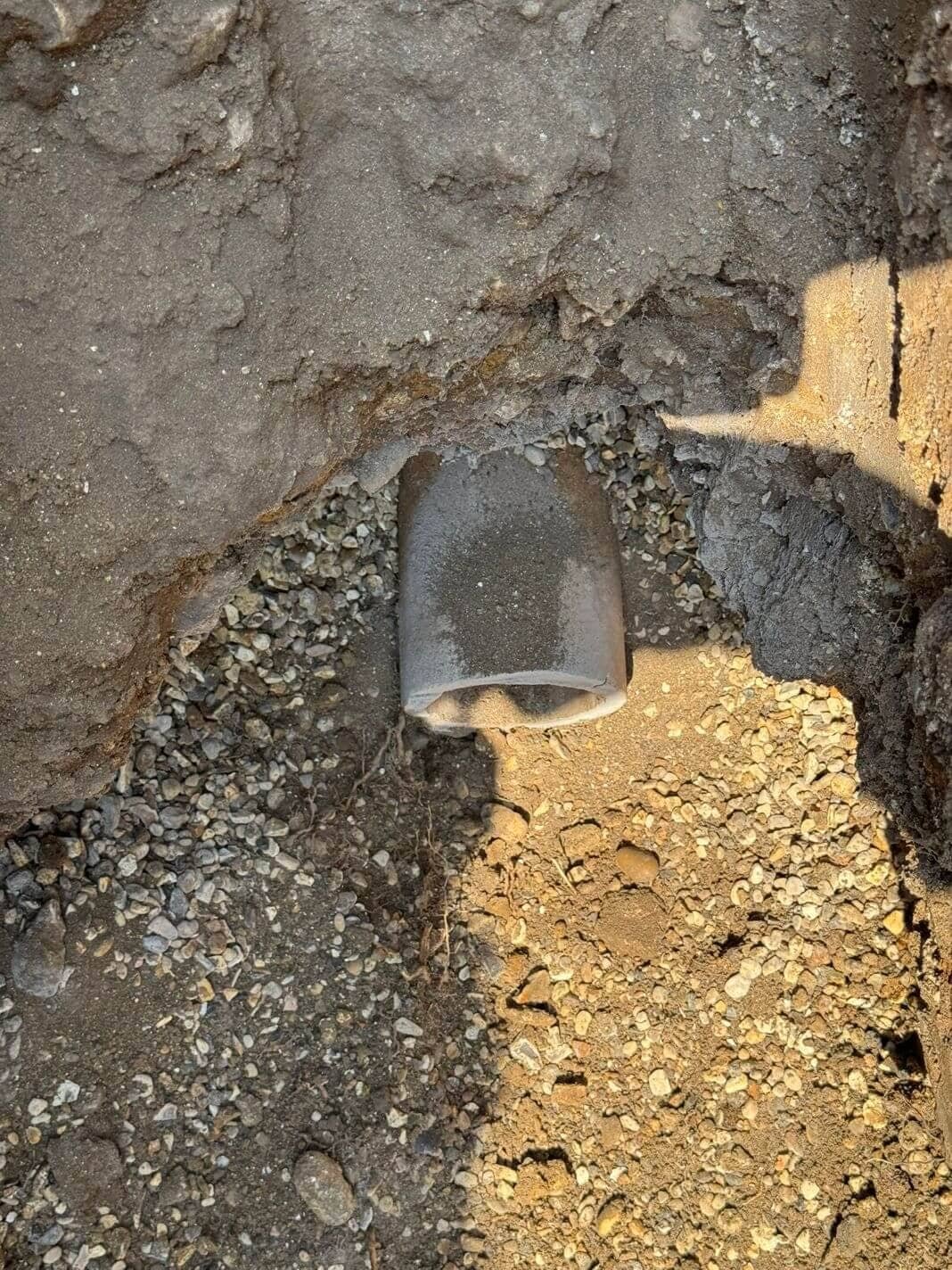
Victorian drainage still shapes Reading
Reading has enough older housing for interceptor traps to be a credible line of enquiry, especially where a property has Victorian terraces, older manholes or a drain layout that has been altered over time. That does not mean every older Reading property has one, and it does not mean every repeat blockage comes from one.
Reading Museum links the town’s nineteenth-century growth with suburbs and terrace housing, including the area around Cemetery Junction becoming surrounded by terrace housing by 1900. For drainage purposes, that local history matters because older layouts can remain below properties that have since gained extensions, paving, new kitchens, converted spaces or changed access points.
A modern blockage may appear beside a new patio or inside a later manhole, but the pipe run beneath it can still follow an older route. Across Reading and Berkshire, we pay close attention to those mismatches between the visible property and the hidden drainage layout.
Older property drainage is therefore a prompt to investigate, not a shortcut to an answer. A Victorian drain trap belongs in the list of possibilities when the evidence supports it.
Honest advice and free quotes across Reading, Berkshire and surrounding areas.
Get a Free QuoteRepeat blockages need evidence
A drain that clears and then blocks again has not been fully explained. Clearance restores flow, diagnosis explains recurrence, and that difference matters when the same property keeps needing attention.
An interceptor trap can cause a repeat restriction because the bend becomes the place where material collects. Roots, pipe defects, displaced pipework and shared drainage issues can also create the same pattern. If the drain keeps blocking after clearance, guessing at the cause is poor value.
At 24hrs Drainage, we treat an old drain interceptor as something to prove, not something to blame on sight. A CCTV drain survey can show the location of the trap, the condition around it and how the drain run connects to the rest of the system.
Thames Water treats blocked interceptor traps as a sewer flooding prevention issue and runs a removal programme at locations with repeat blockages and sewer flooding risk. That point matters because removal can be a valid answer in the right setting, but it is not a blanket rule for every Buchan trap.
Where a landlord, property manager or homeowner needs a defensible decision, the useful question is narrower: does the evidence show that this trap is the restriction point in this drainage layout? A verbal answer without proof rarely settles a recurring problem for long.
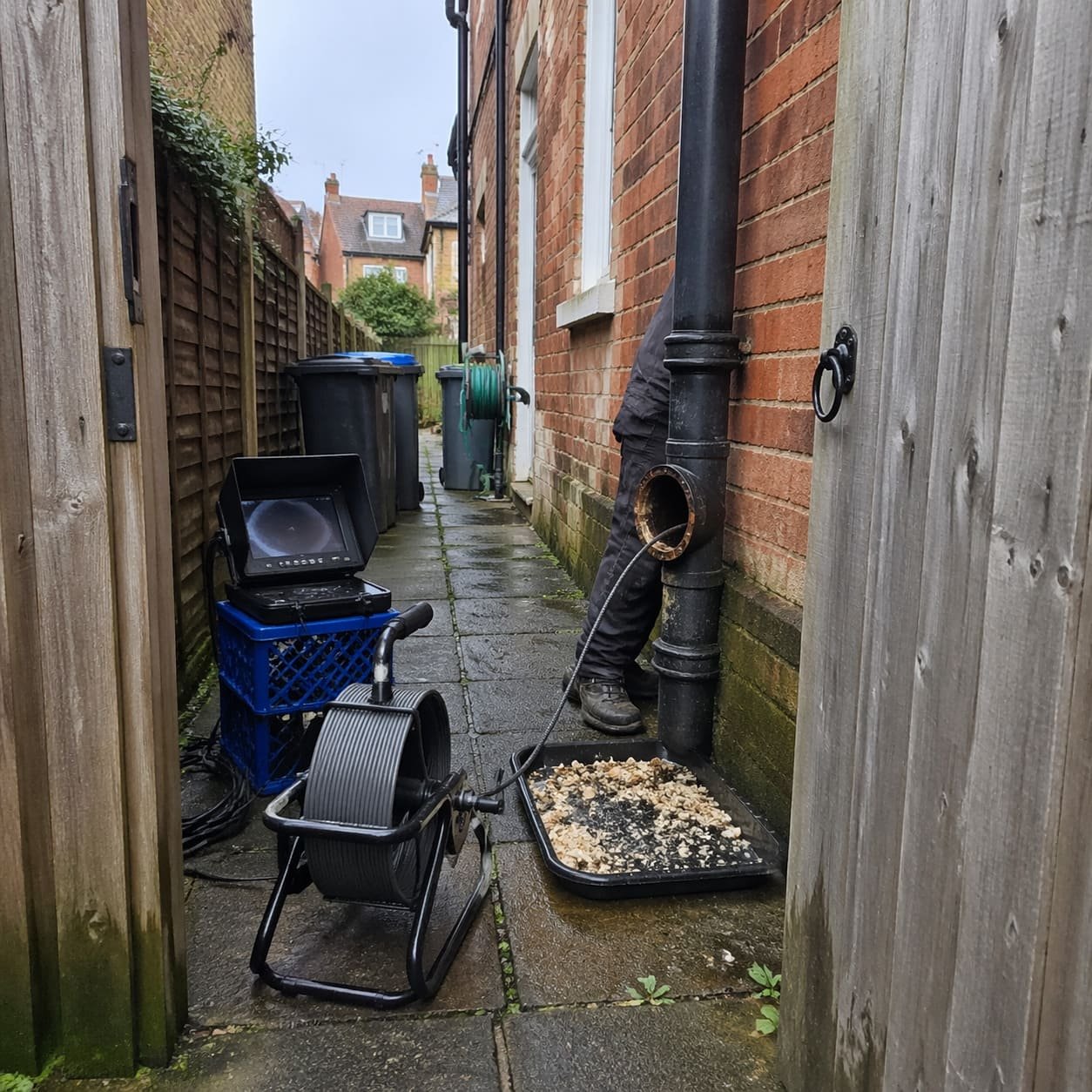
If a blockage keeps returning after clearance, record exactly where it reappears. That detail helps separate a trap issue from a defect elsewhere in the run.

Responsibility follows the pipe
Responsibility follows the pipe and how it connects, not your guess about where the blockage appears. A trap near a boundary, under a garden or beside an older manhole can sit in a layout where private and shared drainage rules need separating.
Private pipework
Pipework serving only one property can remain the owner’s responsibility where it sits within the property boundary. That matters for homeowners, landlords and managing agents because the physical position of the blockage is only part of the answer.
Older assumptions about private drainage can be wrong. After the private sewer transfer in 2011, Thames Water became responsible for many private sewers and drains from 1 October 2011. Property owners can still remain responsible for sections between their building and the transferred sewer or lateral drain.
Shared sewer sections
Once a drain joins a neighbour’s drain, responsibility can move away from the individual property owner. Thames Water says it is responsible for shared sewers, including where they run under a garden or driveway.
That is why a repeat blockage around an interceptor trap should be mapped against the actual drain route. The same blocked interceptor trap can lead to different decisions depending on whether it serves one property or forms part of a shared section.
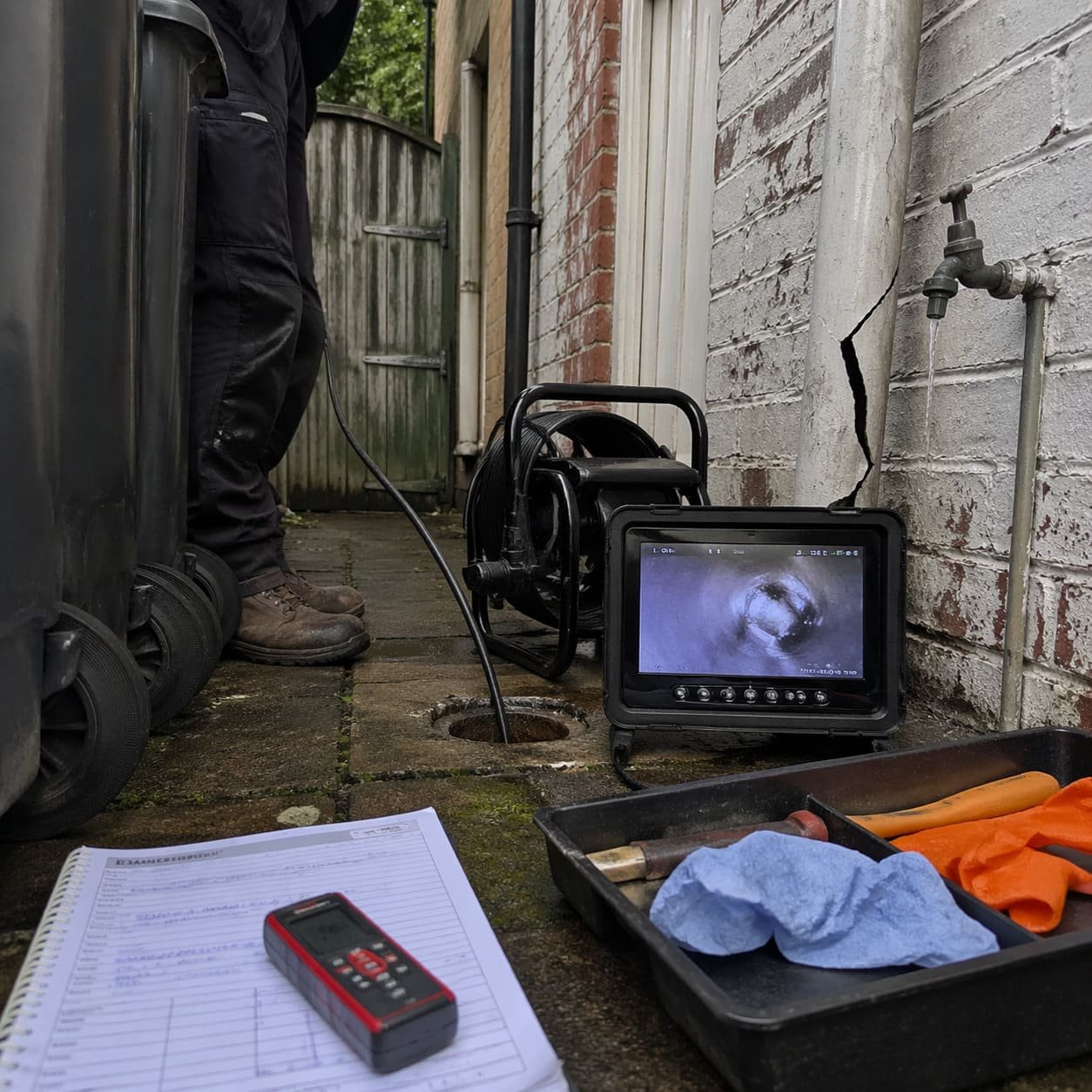
Ask for the feature to be named clearly in the report. If the wording is loose, later decisions can become harder to defend.
Good decisions outlast clearance
A useful recommendation should leave you with a clear record, not just a cleared pipe. If an interceptor trap is old, hidden and repeatedly involved in blockages, the next decision should be based on evidence that someone else can read later, such as an insurer, buyer, surveyor, landlord or property manager.
A professional recommendation should confirm:
- What the feature is. The report should identify whether the drain contains a domestic interceptor trap or Buchan trap, rather than using the word interceptor loosely.
- Where it sits in the drain run. Location affects access, responsibility and whether the trap is linked to the recurring blockage.
- Whether the trap is actually the cause. The evidence may point to another defect nearby instead.
- Who is likely responsible. The answer should be tied to whether the pipe serves one property or forms part of a shared sewer section.
- What access remains afterwards. Building Regulations Approved Document H says sufficient and suitable access points should be provided where drain runs cannot otherwise be reached, including options such as inspection chambers, rodding eyes and manholes.
Cost deserves the same discipline. No reliable public Reading price range exists for interceptor trap diagnosis or removal, so a sensible figure has to come from the actual site, the access, the repair route and confirmed job information, not a generic online number.
At 24hrs Drainage, we are careful about this because old drainage features create bad decisions when they are treated as automatic culprits. The best outcome is a proportionate route forward: clear evidence, a responsibility position that stands up, and a repair or removal recommendation that still leaves the drain maintainable.
The record from each investigation ends up mattering more than the first clearance. Property sales, insurance queries and shared drain disputes all favour evidence that shows what was found, where it was found and why the chosen action made sense.

Whatever the problem — blocked, cracked, slow or smelly — we'll diagnose it properly.
Book an EngineerQuestions we get asked about interceptor traps
Is a Buchan trap the same as an interceptor trap?
A Buchan trap is a common name for the old domestic interceptor trap found in some drain layouts. The exact wording on a report matters less than proving what the feature is and where it sits.
Can a CCTV drain survey show whether an interceptor trap is the cause?
A CCTV drain survey can show the layout, the trap location and the condition of the pipe around it. The survey evidence still needs interpreting, because a nearby defect or shared drainage issue can create a similar repeat blockage pattern.
Does every older Reading home have an interceptor trap?
No. Older Reading housing makes an interceptor trap a realistic possibility, but it does not prove one is present. The drain layout has to be checked before anyone relies on that explanation.
Is a domestic interceptor trap the same as a grease interceptor?
No. A domestic interceptor trap is an old U-bend feature in a property drain, whereas grease and oil interception refer to different commercial drainage assets. Using the wrong meaning can send the investigation in the wrong direction.
Can an interceptor trap affect a sale, survey or insurance question?
Yes, it can become relevant if there are repeat blockages, sewer flooding concerns or unclear responsibility. Written evidence is stronger than verbal reassurance because another party can review the finding later.
