
What does retail drain clearance teach you about commercial maintenance?
The main lesson is that a cleared drain is only the first commercial outcome. On busy retail premises, we learn most from what happens around the blockage: which part of the site failed, what evidence exists, who is affected and how quickly trading continuity can be protected.
A blocked drain interrupts trade. The immediate job is to restore use safely and quickly, but the commercial question begins after that point. Why did the disruption happen, and what would stop the same issue returning?
Retail drainage makes that question harder because one site can involve tenants, visitors, service yards, kitchens, car parks and shared pipework. A one-off blockage may look simple at the surface, yet the cause may sit in a tenant routine, an external drainage run or a layout nobody has mapped properly.
Good commercial drainage maintenance starts with site knowledge, records and clear escalation. Speed still matters, especially when a retail unit or shared area is affected, but speed without evidence leaves you managing the same uncertainty next time.
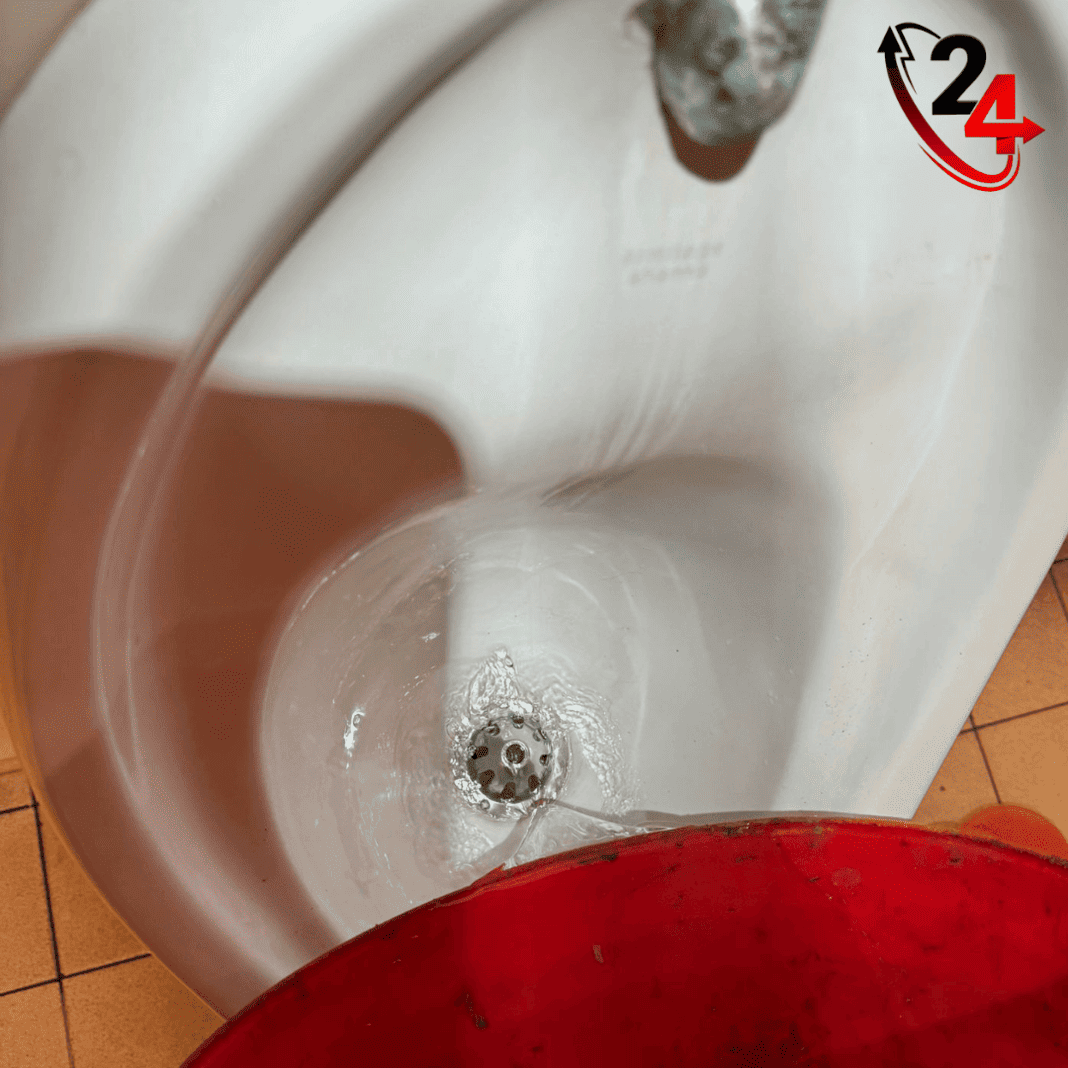
Reactive clearance is not commercial maintenance
Reactive drain clearance solves the immediate failure. Commercial maintenance deals with repeat risk, site control and the decisions that follow once trade has been protected.
Clearance restores flow
Emergency clearance has a clear place. When toilets are backing up, a kitchen cannot operate, or a shared service area is out of use, the first priority is to restore function and reduce disruption.
A reactive attendance proves that the affected run was dealt with at that moment. It does not prove the cause, the full route of the drainage, or whether the same issue is likely to return. Those gaps matter on commercial premises because a second disruption can involve tenants, landlords and trading hours.
Maintenance reduces repeat disruption
Planned commercial drainage maintenance begins where the emergency attendance stops. We look for patterns, known risk points and records that explain what happened last time.
Generic servicing intervals are too blunt for complex retail sites. A food-led unit, a surface water drain near a loading area and a shared foul drainage run do different jobs, so the maintenance schedule has to reflect what each asset is exposed to. Otherwise, every visit becomes a reset button with no memory.
Honest advice and free quotes across Reading, Berkshire and surrounding areas.
Get a Free QuoteSite layout decides the maintenance risk
A retail site is rarely one drainage system. Town-centre shopping areas, retail parks, service yards, loading areas, car parks and food units all create different risks, and maintenance has to separate them.
Reading gives a useful local context. Reading Borough Council identifies Broad Street, The Oracle and Broad Street Mall as the retail hub with the highest levels of footfall by some distance, so any drainage disruption in that kind of setting is an operational issue as much as a maintenance issue.
Across retail premises in Reading, Berkshire and the Thames Valley, the first thing we want to know is how the site is laid out. GOV.UK guidance says a business drainage plan should show where drains are, what type they are, their direction of flow, where they leave the property and where they discharge. That matters because surface water, foul water and combined drains do different jobs.
The main asset groups we separate are:
- Food-led units and commercial kitchens. Grease management, foul drainage and tenant routines all affect the risk profile.
- Service yards and loading areas. Wash water and silt can create problems if discharge routes are unclear.
- Car parks and external drainage. Surface water systems may involve oil contamination risk. GOV.UK says oil separators are typically needed where that risk exists, including car parks larger than 800 square metres or with 50 or more spaces.
- Shared drainage runs. Landlord, tenant and managing agent records become important when one issue affects more than one occupier.
- Older or altered retail layouts. Occupation can change faster than the drainage records, so the pipe route on paper may no longer match how the premises are used.
Commercial drainage assets need different attention because they carry different risk. Maintenance has to follow the site layout, not a generic diary entry.
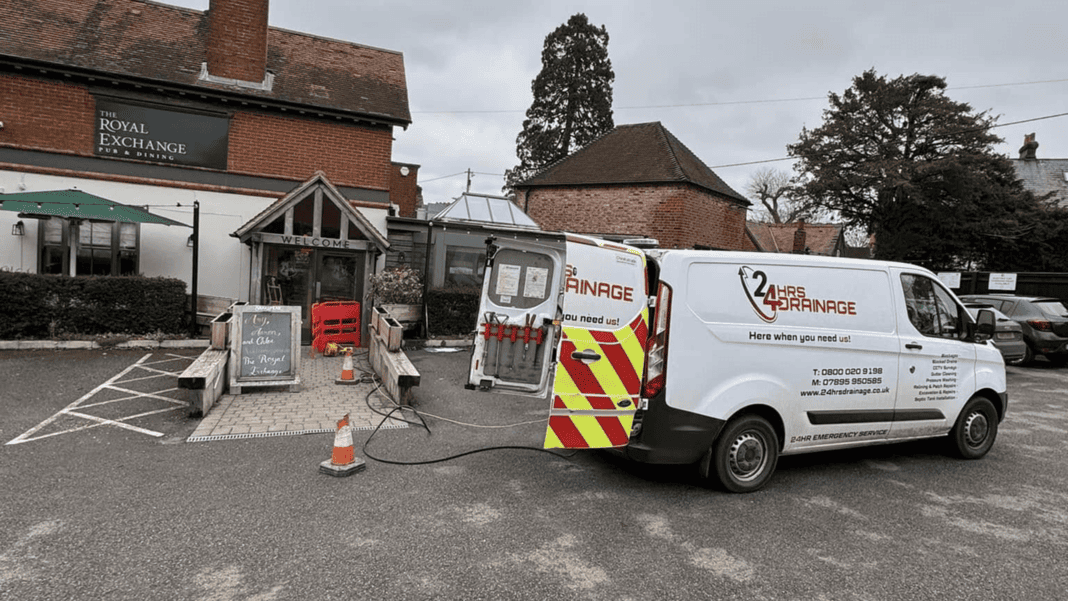
A maintenance record is strongest when it matches the actual site layout, including shared runs, service yards and food units. Generic intervals leave gaps where repeat disruption usually starts.

Evidence makes drainage decisions defensible
A cleared drain can still leave you with awkward unanswered questions. Where did the issue start, which route did it affect, and does the record support a sensible decision if the same problem returns?
Evidence turns commercial drainage from a series of incidents into a managed asset record. At 24hrs Drainage, we can provide CCTV drain survey evidence with high-definition footage, written reporting, site mapping, video footage and repair recommendations where a commercial site needs a clearer record.
A CCTV drain survey is a camera survey that records the inside of a drainage run. On a retail site, its value sits in the decisions it supports, because a report can help a facilities manager discuss repairs, responsibility or future maintenance without relying on memory.
| Decision point | Reactive callout evidence | Planned maintenance evidence |
|---|---|---|
| Purpose | Shows what was attended and cleared | Shows site layout, condition, risk areas and maintenance history |
| Use in disruption | Helps explain the immediate event | Supports faster decisions when disruption repeats |
| Use in responsibility discussions | Often limited to the blockage location | Can link the issue to an asset, tenant area or drainage route |
| Weakness | May leave cause and repeat risk unclear | Needs updating when the site changes |
Where the drain type or route is unknown, a full drainage survey may be needed before the site can be managed properly. A report that sits with the maintenance record is far more useful than a camera file nobody can find when the next question lands.

Responsibility is clearer with records
Who pays is often the wrong first question. The better first question is what the evidence says about cause, route and asset ownership.
Retail drainage responsibility can involve landlords, tenants, managing agents, water companies and private sewer owners. A tenant may report the problem first, but the affected drain may serve shared areas. A managing agent may need to act quickly, but the long-term fix may depend on evidence from the drainage route.
Food businesses add another layer. Thames Water says business owners must ensure kitchen waste does not block or damage public sewers, and commercial hot food premises need suitable grease management under Building Regulations Part H. In plain terms, grease control is a trading and responsibility issue, not a housekeeping detail.
Records keep the discussion practical. A maintenance log, CCTV evidence and a current drainage plan give each party something concrete to work from. That is where responsibility becomes easier to establish without slowing the operational response.
CCTV footage is more useful when it sits alongside a drainage plan and written recommendations. That combination helps a facilities manager justify the next action without relying on memory.
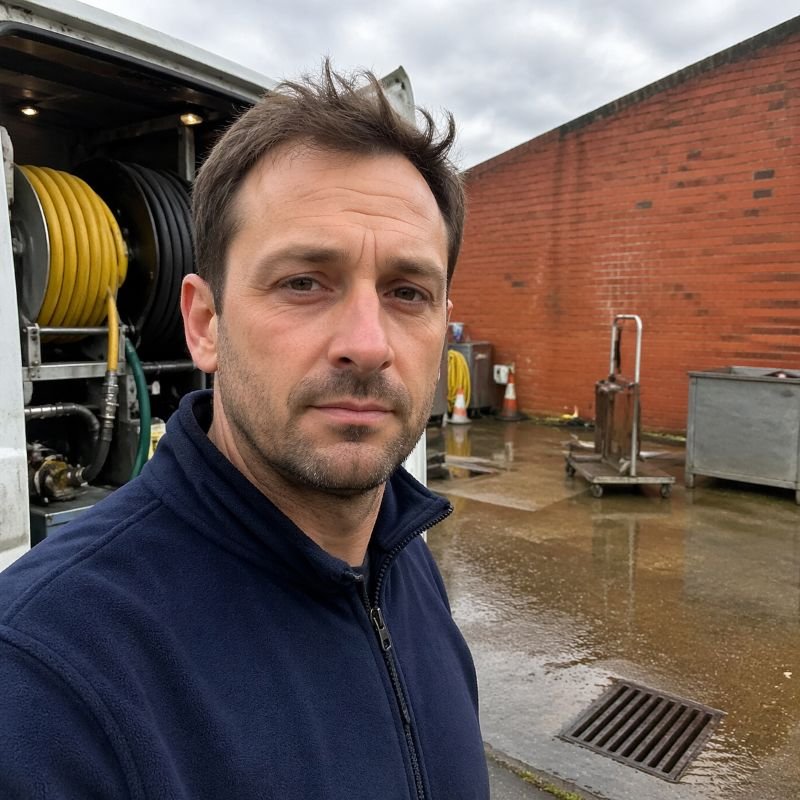
The real lesson is continuity, not clearance
Retail drainage work teaches a blunt commercial lesson: the visible task is clearing the blockage, but the valuable outcome is keeping the site usable and the decision trail clean.
At 24hrs Drainage, we treat commercial maintenance as continuity work first and clearance work second. That means we care about the drainage route, the record left behind, the tenant impact and the point where a routine issue needs faster escalation.
For facilities managers and managing agents, the better buying question is not who can make the water move today. The sharper question is who helps you hold the line between a manageable drainage issue and avoidable trading disruption.
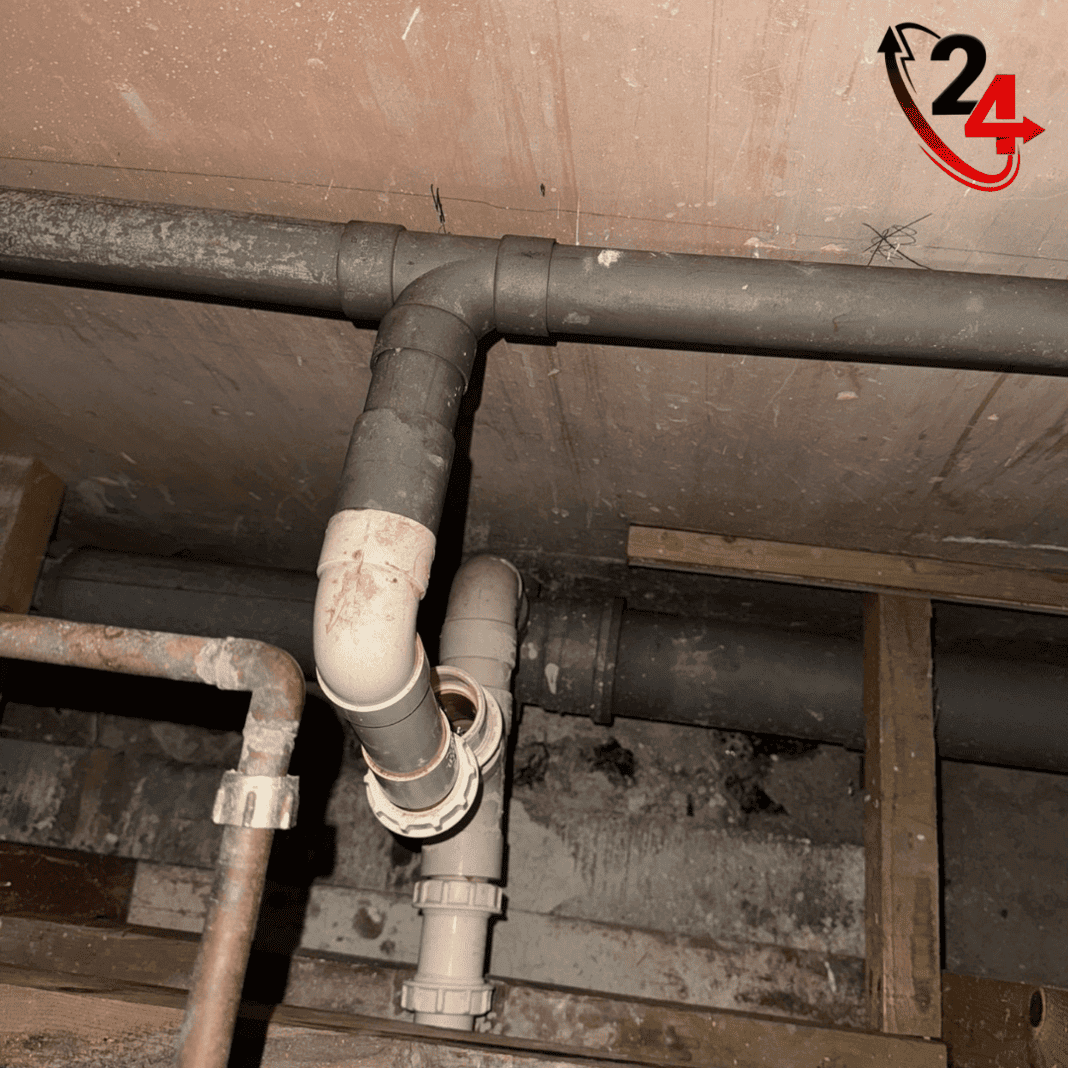
Whatever the problem — blocked, cracked, slow or smelly — we'll diagnose it properly.
Book an EngineerQuestions we get asked about retail drainage maintenance
How often should commercial drains be cleaned on a retail site?
Frequency depends on site use, drainage layout and risk areas such as kitchens, loading areas and shared runs. We do not treat generic quarterly or annual claims as a substitute for site-specific risk.
Does a grease removal unit need the same routine as a grease separator?
No. Thames Water says grease removal units need emptying every day, while grease separators need frequent checking and cleaning. The daily routine usually sits with the food business, but the wider drainage record still matters for the site.
Can a retail park car park need an oil separator?
Yes, where there is a risk of oil contamination. GOV.UK gives examples including car parks larger than 800 square metres or with 50 or more spaces, plus other higher-risk areas such as vehicle maintenance or refuelling areas.
Does a CCTV drain survey replace a maintenance plan?
No. A CCTV drain survey gives evidence about condition, route and possible defects, but a maintenance plan decides how that information is used over time. The survey is most useful when it becomes part of the site record.
Can one tenant’s drainage problem affect other units?
Yes, shared drainage runs can connect more than one occupier or area. Clear records help show whether the issue sits within one tenant area, a shared asset or a wider drainage route.
