
Can a same-week drainage survey save a property sale that is stalling over a drainage dispute?
Sometimes it can, because a fast survey can replace guesswork with evidence at the point where buyers, solicitors, and lenders need clarity. Sometimes it cannot, because a report may confirm a bigger defect, an ownership problem, or a liability that still needs negotiation. The real value of a same week drain survey is speed of certainty, not a guaranteed rescue.
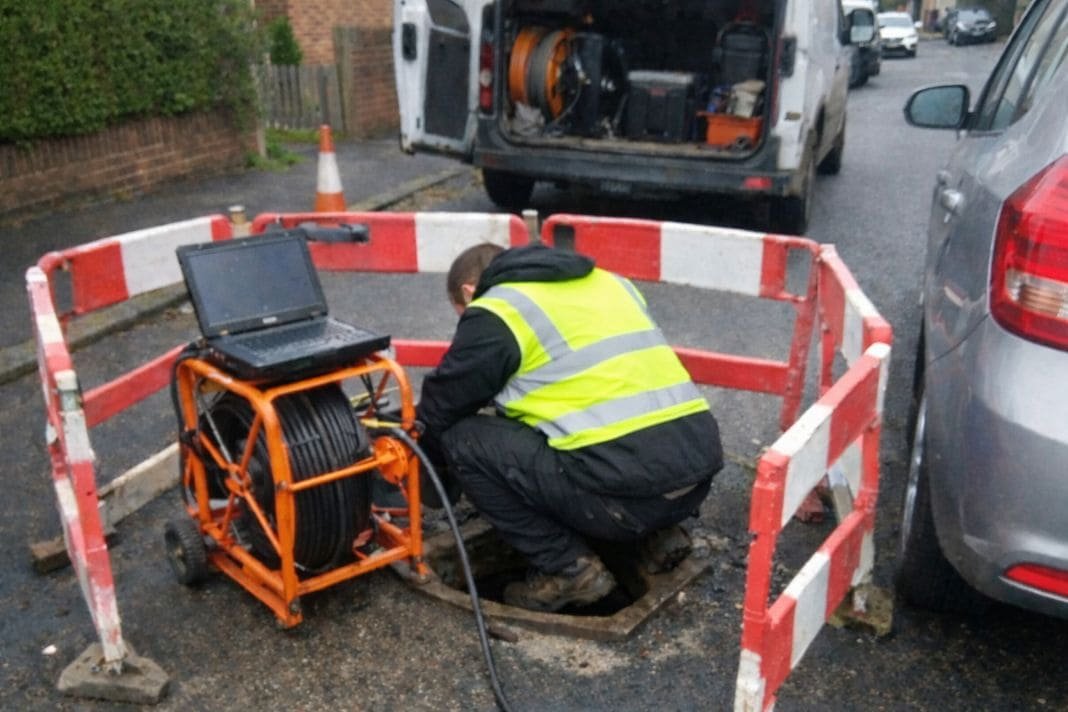
What mistake usually puts a property sale at risk over drainage?
A sale often gets into trouble because everyone assumes drainage is ordinary until someone asks for proof.
At the start of a transaction, attention usually sits on price, fixtures, mortgage timing, and survey findings inside the house. Drains sit out of sight, so they rarely shape early conversations. A seller may complete the Property Information Form, or TA6, in good faith, and a buyer may read Local Authority Searches expecting nothing unusual to appear.
Then conveyancing solicitors raise a specific query. They may ask about shared runs, surface water connections, historical disputes, or whether a drain is adopted or private. That is the point where a routine sale can become a drainage dispute property sale issue almost overnight.
One common problem is the gap between assumption and evidence. Owners may believe a pipe serves only their home, only for plans, old repairs, or neighbouring use to suggest an unadopted drain or a shared responsibility. Another source of friction appears when a previous blockage, repair, or complaint was never properly documented but now matters to the buyer’s lender requirements.
By the time those questions surface, urgency has already increased. A drainage problem in house sale scenarios rarely becomes serious because the defect is suddenly new. It becomes serious because the transaction has reached the stage where uncertainty now has a legal and financial cost.
Secure your property transaction with expert same week drainage surveys. Get clear documentation before contracts exchange.
Book Your SurveyHow does a drainage dispute actually derail a sale?
Once drainage is questioned, the transaction stops behaving like a smooth administrative process and starts behaving like a risk assessment.
A solicitor who cannot answer a drainage query with confidence may advise caution. A surveyor may note the issue and leave it open. A buyer who was ready to proceed may begin to wonder what else sits outside the paperwork. That shift matters because uncertainty spreads faster than technical detail.
Mortgage lenders and property insurers tend to react to unresolved risk, not just confirmed damage. If there is doubt over liability, condition, access, or compliance documentation, the issue can move from inconvenience to barrier. Law Society guidance and standard conveyancing practice push professionals to ask for clarity where ownership or responsibility is unclear.
The disruption usually shows up in a few predictable ways:
- A buyer’s solicitor raises additional enquiries and waits for evidence before advising exchange.
- A lender pauses, reviews, or attaches conditions where a mortgage lender drainage problem could affect security.
- A chain becomes unstable because one delayed completion affects every linked transaction.
Buyer confidence can also fall sharply once a drainage dispute house sale concern appears late in the process. People can absorb bad news more easily than vague news. A known repair with paperwork may still support a deal. An unresolved question about who owns the drain, who pays, or whether the issue will return often causes the more detailed loss of confidence.
In some cases, indemnity insurance enters the discussion, but insurance does not answer every concern. It may address one legal angle without resolving practical worries about future repair costs, access disputes, or repeated blockages. That is how the impact of drainage issues on sale moves beyond pipes and into the wider risk of property chain collapse drainage.
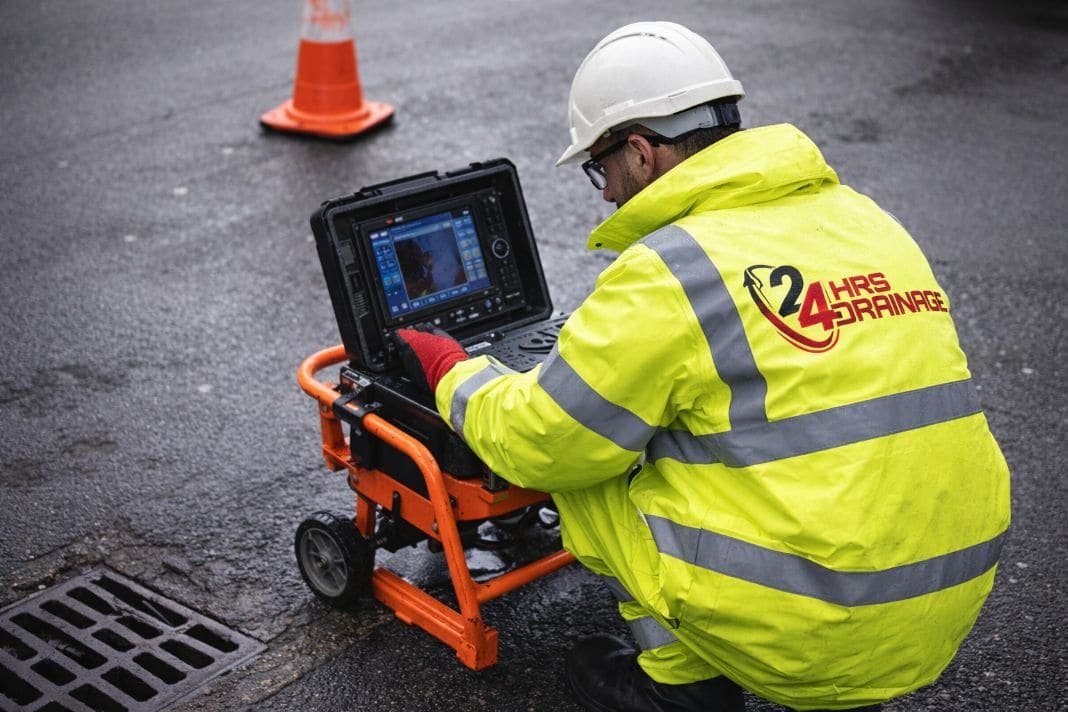
Arrange a drain survey early in the sales process to address issues before urgency mounts and negotiations become pressured.

What can a same-week drainage survey realistically achieve?
When a sale is stalling on Tuesday and the solicitors want answers before the weekend, speed matters because the negotiation clock is already running.
A same week drain survey can do three useful things quickly. It can show the visible condition of the drainage run within scope, create report documentation that solicitors and buyers can review, and separate a suspected problem from a proven one. That shift alone can change the tone of a negotiation.
An urgent drainage survey can sometimes clear a path where the issue is smaller than feared. A buyer may be told there could be collapse, root ingress, or an unlawful connection, only for a CCTV drain survey property sale report to show a localised blockage, minor wear, or no obvious defect on the surveyed line. In that situation, a fast drainage inspection gives the transaction something concrete to work with.
The reverse is also true. A same week drain survey may confirm a structural fault, a misconnection, or evidence that further work is needed. Speed still has value in that outcome, because the parties stop arguing about suspicion and start negotiating around facts, price, timescale, or responsibility.
A rapid survey cannot do everything. It cannot rewrite ownership records, force a lender to lend, or resolve every question involving off-site pipework or local water authorities. If the report points to remedial recommendations, those recommendations may still need costings, permissions, or more investigation. RICS professionals, solicitors, and buyers will often treat the survey as a decisive piece of evidence, but not the whole picture.
In Reading and Berkshire, firms such as 24hrs Drainage are sometimes brought in at exactly this stage, when the aim is less about technical curiosity and more about producing reliable evidence before the sale loses momentum entirely.
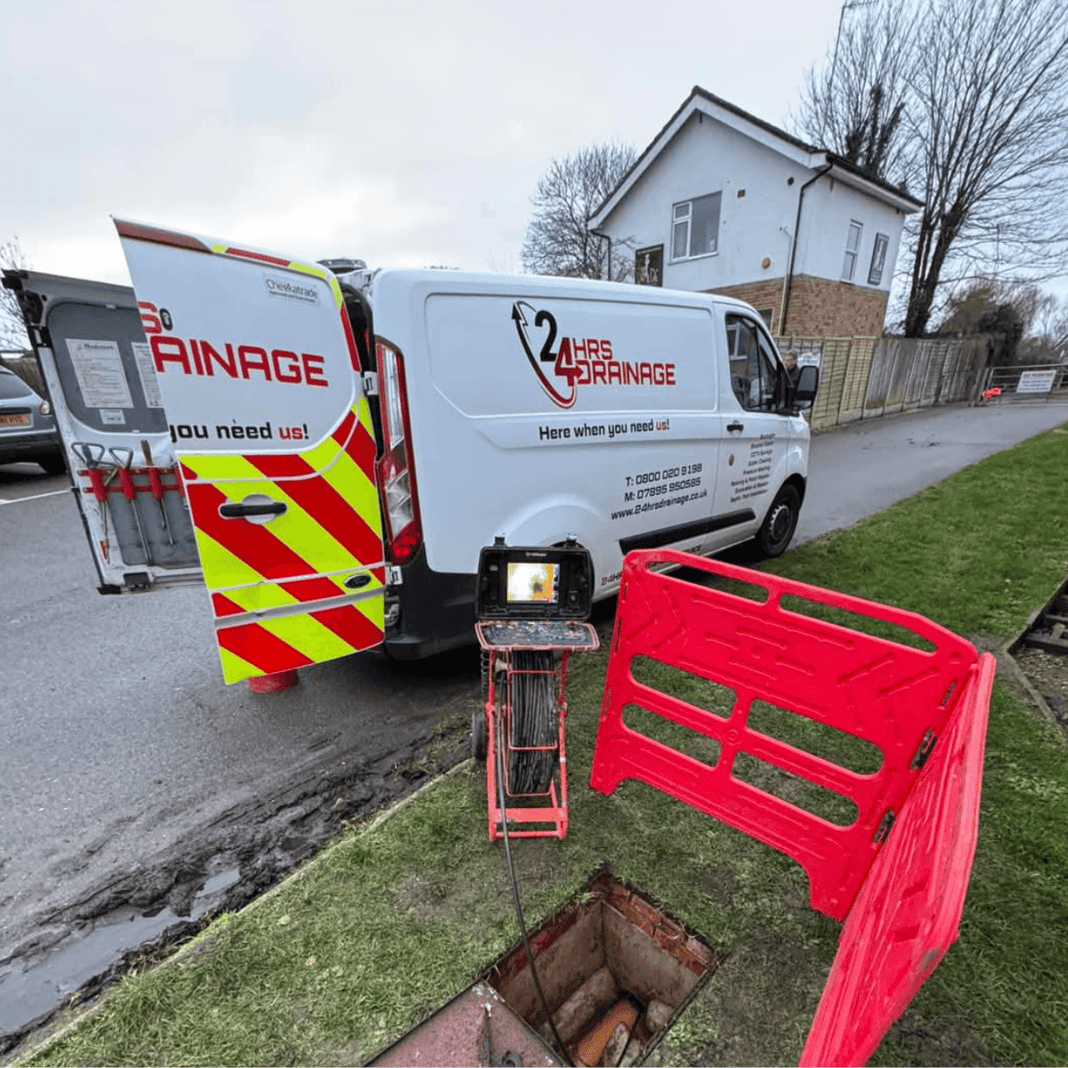
How do buyers, sellers, and agents typically respond to last-minute drainage findings?
Once a report lands, the emotional temperature usually changes as much as the legal position.
Buyers tend to sort findings into two categories. Some see a documented defect and ask whether the price still reflects the risk. Others focus less on cost and more on hassle, especially if the report hints at recurring work, shared liability, or uncertain responsibility after completion. A buyer response to drainage issue findings often depends on how clearly the problem has been evidenced and framed.
Sellers face a narrower set of choices than they often expect. A report can strengthen their position if it limits the issue and supports a practical explanation. Equally, it can force a difficult decision between funding repairs, accepting price renegotiation after drain survey findings, or watching the buyer retreat. Vendor legal representatives usually pay close attention to disclosure obligations at this point, because an attempted sale with incomplete information can create problems later.
Estate agents often become interpreters as much as intermediaries. They may need to calm a nervous buyer, stop a seller from dismissing the issue too quickly, and keep both sides focused on what the report actually says. Good agents do not make technical judgments themselves, but they often influence whether the parties treat the finding as manageable or fatal.
Typical reactions usually fall into these patterns:
- The buyer asks for a price reduction or conditional sale terms.
- The seller offers evidence, limited remedial work, or a revised position on price.
- The agent tries to preserve momentum by keeping the discussion tied to documents rather than assumptions.
Transparency can help, but it does not always feel comfortable in the moment. A report that exposes a defect may weaken a seller’s bargaining position in the short term. At the same time, vague reassurance without evidence tends to increase buyer walkaway risk, especially once a buyer’s solicitors have raised the issue formally.
Keep all drainage documentation organised and accessible for solicitors and potential buyers to accelerate the transaction timeline.

What risks remain even after a rapid survey is completed?
A fast survey can reduce uncertainty, but it cannot remove every unknown.
Scope is the first limit. A report covers the drainage that can be inspected within the agreed parameters, and that is not the same as guaranteeing the future performance of the whole system. Hidden drainage problems may still exist beyond the surveyed line, outside the property boundary, or in sections that were inaccessible at the time.
Timing is another limit. An emergency drainage assessment captures condition at a particular moment. It may identify current defects, standing water, displaced joints, or signs of previous trouble. It cannot promise that future blockages will not happen, particularly where use patterns, tree roots, ground movement, or neighbour activity play a part.
Documentation also has boundaries. Insurance providers and local authorities may still ask for additional records, permissions, or evidence if the dispute touches on compliance, surface water arrangements, or historic works. A report prepared to recognised drainage survey standards can carry weight, but it does not automatically settle every legal or insurance question.
Residual risk often remains in four areas:
- Ownership and responsibility for shared or off-site sections
- Defects that are intermittent or outside the visible survey scope
- Ongoing maintenance obligations after completion
- Post-sale drainage dispute arguments where facts were incomplete or interpreted differently
That is why the limits of drainage surveys matter. A good report can narrow the dispute sharply and support a practical decision, yet unresolved drainage risk can still survive around the edges, especially where liability is shared or the paperwork trail is thin.
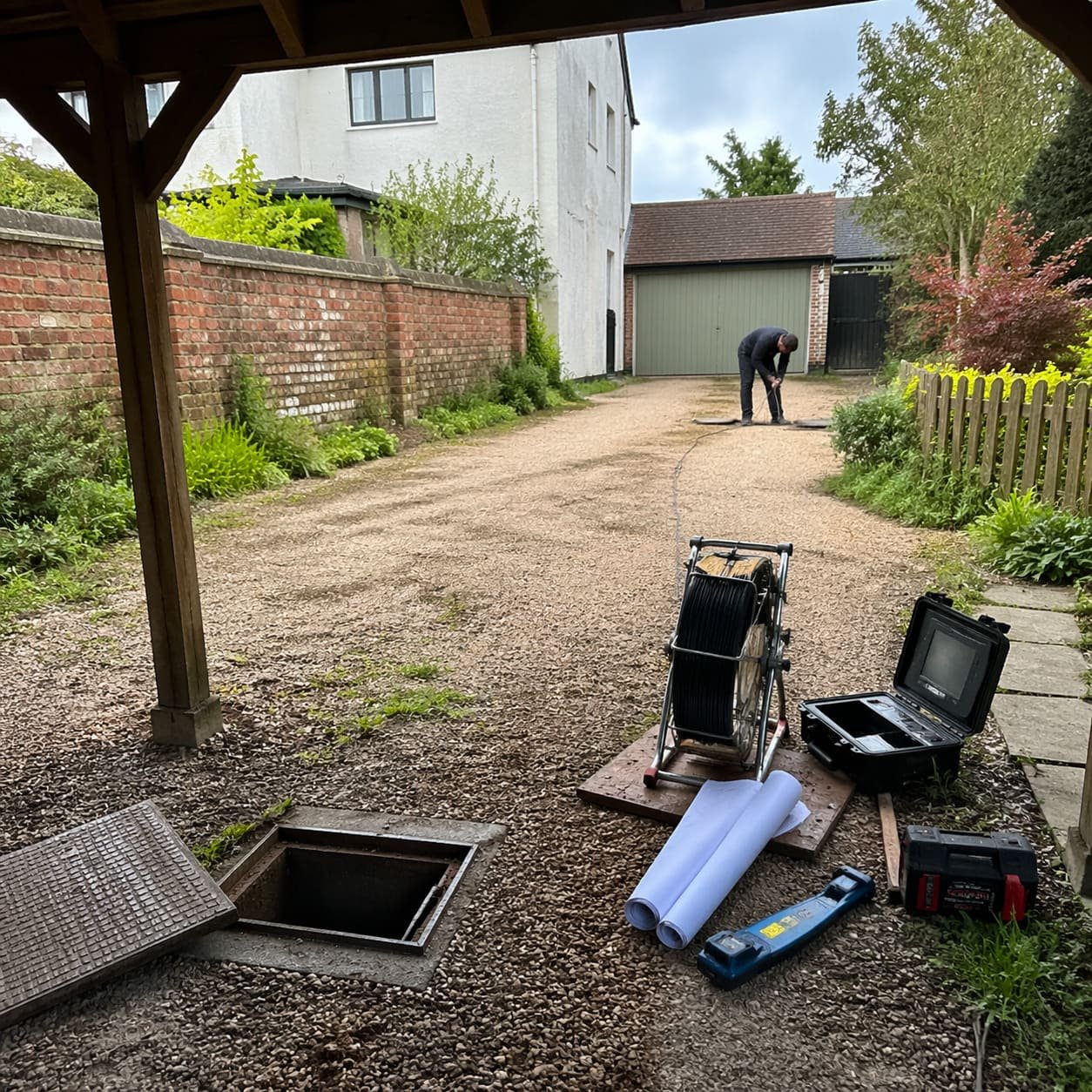
Discuss your drainage concerns with an experienced surveyor. Receive tailored advice for your property sale situation.
Request a CallWhy do some sellers resolve drainage disputes smoothly while others face repeated collapse?
The difference usually comes down to evidence gathered early versus reassurance offered late.
One seller treats drainage checks for property sale preparation as part of the transaction file. If an issue exists, they obtain documentation, answer likely solicitor enquiries properly, and put buyers in front of facts before suspicion takes hold. Negotiation still happens, but it happens within known limits.
Another seller waits until the sale is under pressure, then relies on memory, informal explanations, or the hope that the buyer will stay relaxed. Once conveyancing professionals start chasing answers, that approach tends to fray quickly. Every delay invites a wider reading of risk, and each failed explanation makes the next buyer harder to reassure.
A calm, evidence-led approach usually produces better long-term results because it creates a documentation trail that survives one transaction and supports the next. Last-minute firefighting can sometimes hold a deal together for a week or two, but unresolved ownership questions, incomplete reports, and poorly evidenced statements often return with the next surveyor, the next solicitor, or the next lender. Sellers who face one-off friction with clear paperwork often move forward. Sellers who keep relisting with the same unclear drainage story often relive the same collapse in slightly different forms.
