
What does foul water going into the wrong drain mean?
Foul water going into a surface water drain usually means wastewater from toilets, sinks, kitchens or appliances is reaching a rainwater system. In a separate drainage area, that can create pollution, legal exposure and sale or landlord problems. The key issue is evidence: where does the water actually go, and who controls that pipework?
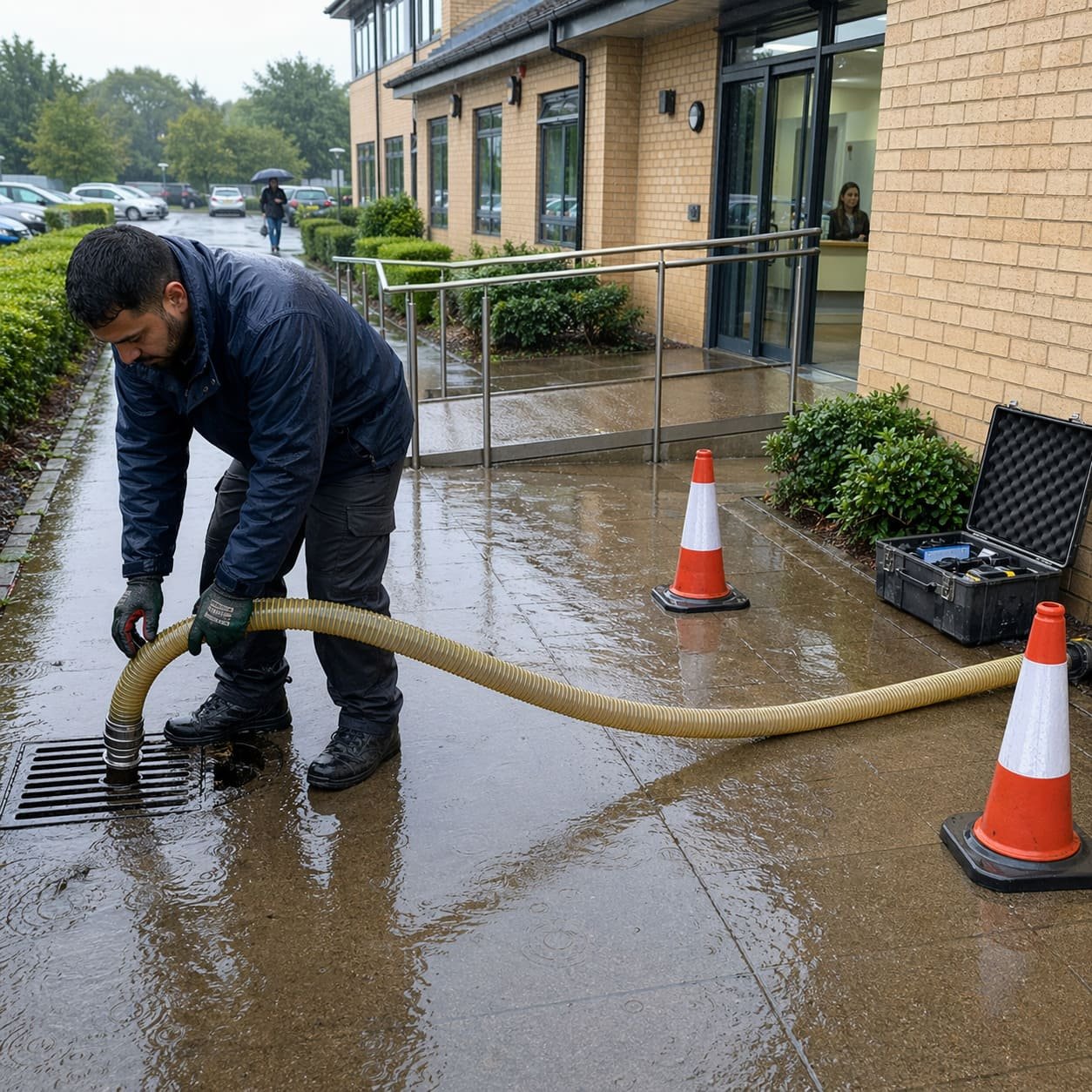
What a drain misconnection means vs what it merely looks like
A drain can look as if it works because water disappears, yet still be wrong because the water is reaching the wrong outlet. That is often the moment a property owner hears a phrase such as drain misconnection, usually after a survey, complaint, dye test or water company letter.
In plain English, a misconnection can mean foul water entering a surface water drain intended for rainwater only. Water UK explains that many houses have two separate sewers: a foul sewer for wastewater from toilets, bathrooms and kitchens, and a surface water sewer for rainwater from roofs.
That distinction matters because a surface water sewer may discharge to a river, stream or beach. Wastewater entering rainwater drain routes can therefore create a pollution pathway, even if the sink, toilet, washing machine or dishwasher appears to drain normally inside the property.
Thames Water describes misconnected pipes as toilets, washing machines, dishwashers and other goods incorrectly plumbed into a surface water drain. The plain test is not whether the appliance empties. The question is whether the wastewater reaches a system meant to receive it.
Some properties have simple pipe layouts. Others have extensions, shared pipework, altered kitchens, converted outbuildings or older drainage routes that are harder to read from the surface. A wrong drain connection needs context before anyone can fairly call it a defect, an inherited problem or a compliance issue.
Foul water and surface water: separate systems vs combined systems
A foul water and rainwater connection is not always wrong in every setting, because combined sewer systems exist. The risk depends on the actual drainage arrangement serving the property, not on what the pipe looks like above ground.
GOV.UK Approved Document H defines foul water broadly. It includes wastewater from sanitary fittings, washing related to foul waste, and water used for food preparation, cooking or washing. In practical terms, bathroom, WC, kitchen and appliance waste should be treated as contaminated water.
Rainwater drainage has a different purpose. Approved Document H says rainwater should go to a soakaway or other infiltration system where practicable, then to a watercourse where needed, and then to a sewer where other outlets are not practicable. That order explains why rainwater is not handled in the same way as WC or kitchen waste.
Separate drainage systems keep foul water and surface water apart where the public foul sewer and surface water sewer are separate. Requirement H5 in Approved Document H deals with that separation where it applies. Combined systems, by contrast, can carry both foul water and surface water in the same pipe where the sewerage undertaker allows that arrangement and capacity is suitable.
Assumptions cause trouble here. A shared pipe does not always prove a misconnection, and a neat above-ground pipe does not prove the underground route is correct. For a buyer, landlord, managing agent or facilities manager, the useful question is property-specific: which system does this particular flow enter?
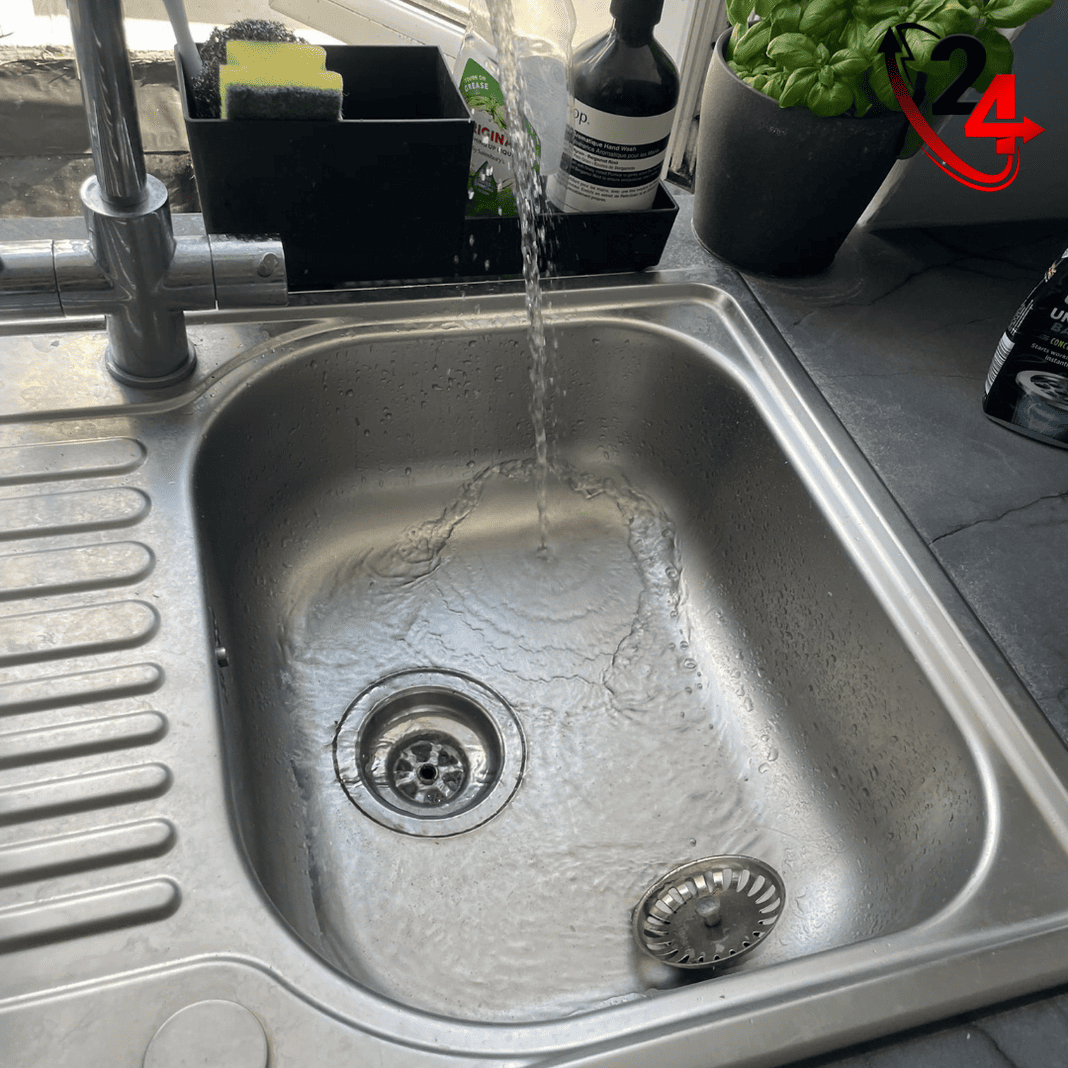
Get a clear view of where the water goes and whether the connection needs attention. A targeted survey can help you make the next decision with confidence.
Arrange surveyIllegal discharge vs inherited defect: where responsibility actually sits
Responsibility can follow current ownership even when the original mistake belongs to someone else. That can feel unfair, but it is the point that often changes how a property owner treats a misconnected drain.
This is general information, not legal advice. In separate sewer areas, Thames Water states that Section 109 of the Water Industry Act 1991 makes it unlawful to discharge foul water into a sewer provided for surface water where separate public sewers are provided for foul water and surface water.
Responsibility often splits by occupation, ownership and drainage boundary:
- Owner-occupier: Water UK says property owners can be responsible for correcting a misconnection even if a previous owner created it.
- Rented property: Water UK says a tenant should contact the landlord, because the landlord is responsible for putting the misconnection right. That applies to private, council and housing association landlords.
- Shared drains: Since October 2011, Water UK says water companies have owned private sewers. Property owners remain responsible for drains from their property up to the point where they combine with drains from a neighbouring property.
- Public sewer boundary: Once pipework has combined beyond that responsibility point, the water company may become responsible for the shared sewer section.
Leasehold buildings, managed commercial sites and divided premises can add another layer. A tenant may occupy the unit, a landlord may control alterations, and a managing agent may hold records. In those cases, the question usually shifts from blame to proof: which pipe serves which part of the property, and where does responsibility pass?
If a property has both rainwater gullies and appliance waste lines, compare the drainage route for each one before assuming the layout is correct. A visible pipe arrangement can still lead to the wrong system underground.

Obvious pipework vs usable evidence: why proof matters more than suspicion
Suspicion is rarely enough once a sale, enforcement matter, landlord dispute or insurance query depends on the answer. A visible pipe can raise concern, but usable evidence needs to show the drainage route and the likely point of connection.
Above-ground clues can mislead. A rainwater downpipe, gulley or appliance waste route may suggest one thing, while the below-ground pipework does something else. That gap between appearance and reality is where property decisions often stall.
Thames Water says its Environmental Protection team may survey residential areas and use dye tracing to check whether a home is properly connected. Dye tracing involves putting a small amount of colourful dye down sinks, toilets, appliances and drainage gullies to show where wastewater flows. A CCTV drain survey can also form part of the evidence picture, especially where underground routes, chambers or shared sections need to be understood.
For Reading and Berkshire properties in the Thames Water region, 24hrs Drainage often sees the value of drainage evidence when the problem has moved beyond a blocked pipe. A buyer’s solicitor, landlord, managing agent or facilities manager may need a clear record before agreeing responsibility, approving works or responding to a notice.
Proof does two jobs. It helps identify where water flows, and it helps separate the physical drainage issue from the question of who must deal with it.
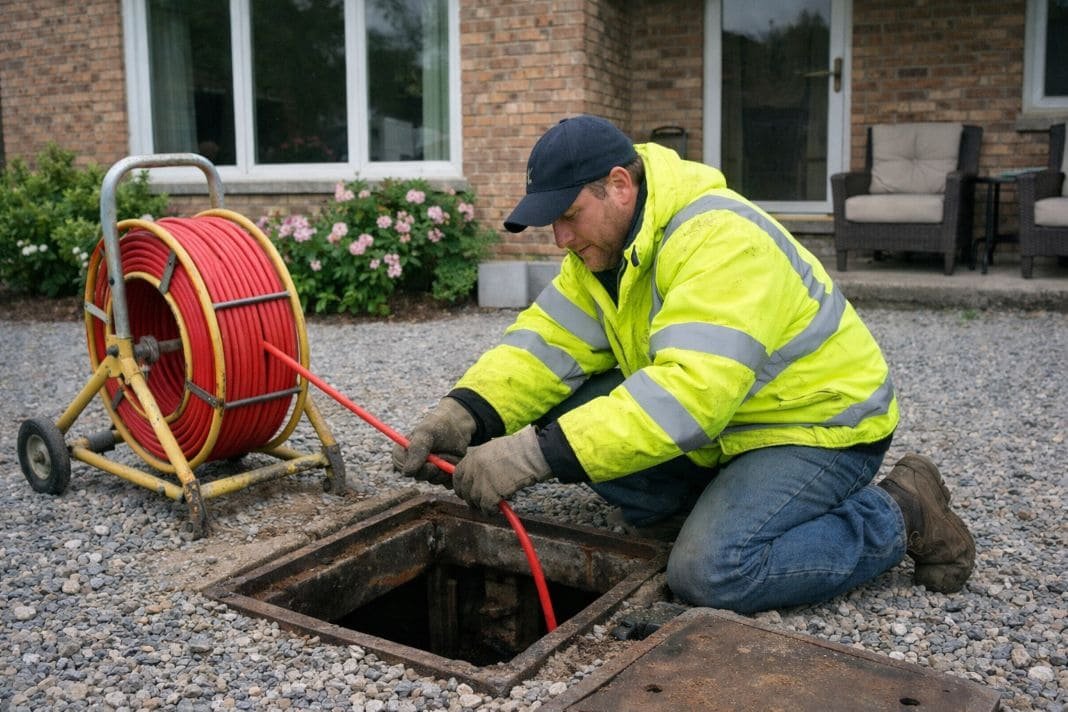
Keep a record of any dye tracing, CCTV survey or water company letter. Those documents often become the clearest evidence when a buyer, landlord or managing agent needs a decision.
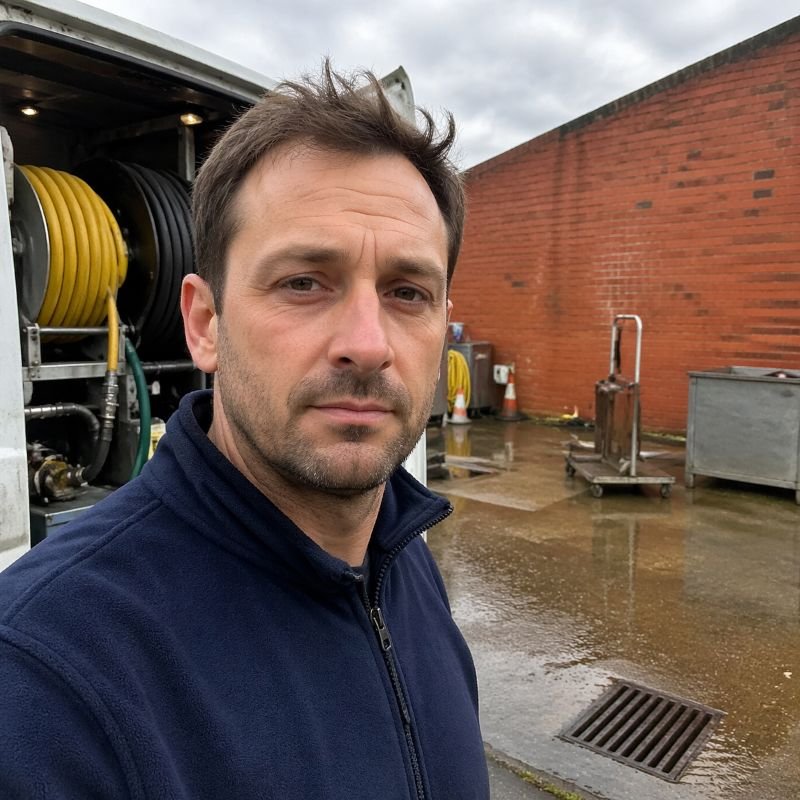
Domestic inconvenience vs property risk: the consequences that change decisions
Wastewater in the wrong drainage system can create consequences outside the building, even when the appliance inside still works. That is why foul water into surface water drain routes should be treated as a property risk, not just a plumbing oddity.
Thames Water states that misconnected pipes can allow wastewater and chemicals to drain into rivers and streams, damaging the environment and harming wildlife. The issue is not smell, slow drainage or household inconvenience alone. The concern is untreated wastewater reaching places that are not meant to receive it.
Authority involvement can also follow. Water UK says legal action can be taken if a misconnection is not corrected, although authorities usually prefer to work with property owners voluntarily first. A notice to correct drainage may be served, and costs can increase if authorities arrange work and recharge the owner.
Property transactions add pressure in a different way. A buyer may ask for clarification before exchange. A surveyor may flag a defect. A landlord may need to show that a rented property is being managed properly. Commercial premises may face interruption if drainage uncertainty affects trading, inspection outcomes or landlord approvals.
That is why 24hrs Drainage treats misconnection concerns as evidence and continuity problems as much as drainage problems. The physical pipe matters, but delay often becomes expensive because people lack a reliable record of what exists, who controls it and what consequence follows.
Fixing a pipe vs resolving a liability: the real question for the property
A wrong drain connection starts as a pipe question. It becomes a property question once someone needs to rely on the answer.
The useful distinction is confidence versus assumption. Confidence comes from a defensible view of the drainage route, the responsibility boundary and the consequence of leaving the arrangement unresolved. Assumption comes from looking at where water seems to go and hoping that nobody asks for a better answer.
A credible concern does not mean every property has an unlawful misconnection. Combined sewers, shared drains and older layouts can change the picture. Even so, once a buyer, landlord, water company, managing agent or authority asks the question, the property needs more than a guess. The sharper question is no longer “where is that pipe?” It is “can the drainage position be evidenced well enough for the decision now being made?”
If a sale, tenancy or compliance matter depends on the drainage layout, our team can help document the route and identify the likely connection point.
Request assessmentFrequently asked questions
Is it illegal to connect foul water to a surface water drain?
It can be unlawful where separate public sewers are provided for foul water and surface water. Thames Water links this point to Section 109 of the Water Industry Act 1991.
Who is responsible for a misconnected drain if a previous owner caused it?
Water UK says the current property owner can still be responsible for correcting a misconnection, even if it was created by a previous owner. Responsibility may also depend on whether the pipe is private, shared or part of the public sewer system.
Can a misconnected drain affect a house sale?
A misconnected drain can affect a sale if a survey, solicitor’s enquiry or buyer raises concern about pollution, legality or future repair costs. Clear evidence matters because buyers usually need to know what exists and who is responsible before they proceed.
Does a CCTV drain survey show a misconnection?
A CCTV drain survey can help document underground drainage routes and connections. Dye tracing may also be used to show where wastewater flows, especially where pipe routes are unclear.
Are foul water and surface water always kept separate?
No. Some areas have combined sewer systems that can carry foul water and surface water in the same pipe. A misconnection depends on the drainage arrangement serving that property and whether wastewater is entering a system intended for rainwater only.
