
After a wet winter and a dry summer, what changes under the ground?
A wet winter followed by a dry summer can put underground drains under two different kinds of pressure. Waterlogged soil can shift and swell, then dry ground can shrink and move again, which means that pipes, joints, and older repairs may be left under strain even if the surface looks normal.
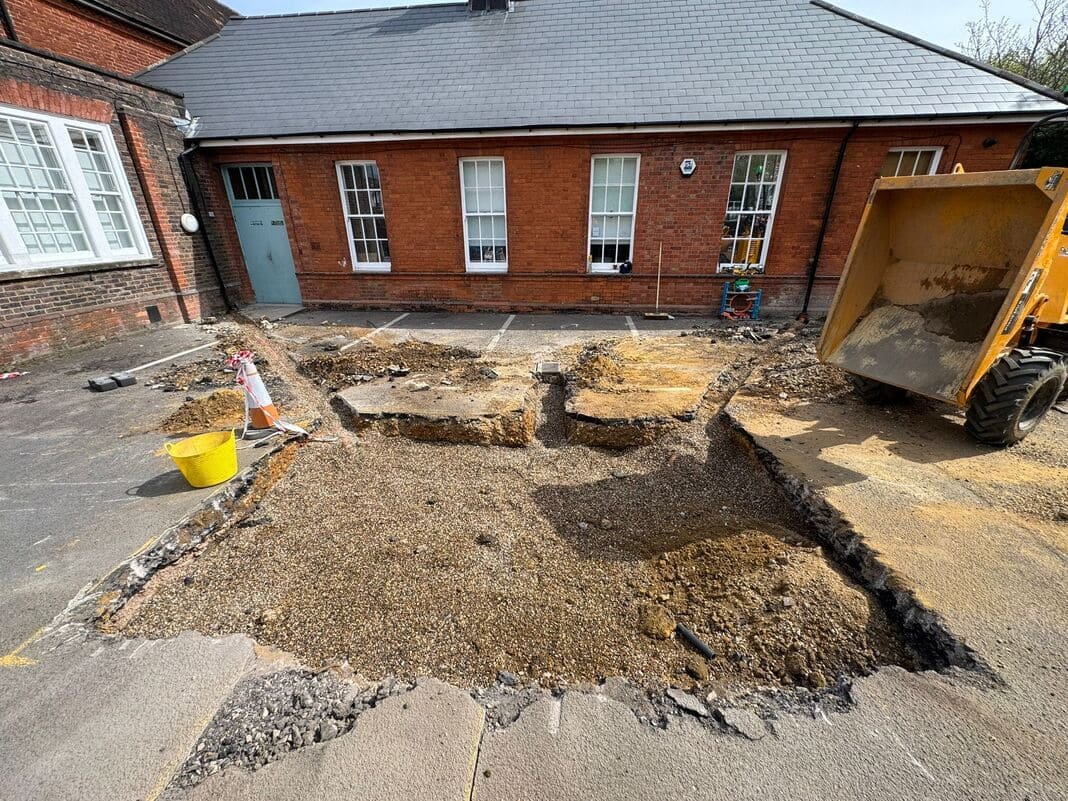
Saturated Soil vs. Parched Ground: Why Extremes Disrupt More Than They Balance
A property owner may look at a soaked garden in February, then at hard, cracked ground in July, and assume one season has cancelled out the other. That is a comforting idea, but it rarely matches what happens below ground.
Soil saturation changes how the ground bears weight. Once the water table rises and the soil becomes heavy, drains can be exposed to movement that does not simply vanish when the weather turns dry. In clay soils especially, later dry spells can bring clay shrinkage, which can alter support around buried pipework.
Alternating extremes tend to stack their effects instead of correcting them. Winter rain can leave the ground swollen or unsettled, then summer dryness can pull it back in a different direction. That pattern can contribute to soil movement, ground heave, subsidence risk, and subtle drainage disruption.
The Environment Agency, Water Authorities, and Building Regulations Part H all sit in the wider background here, because drainage is part of how a property manages water safely. Most owners overlook the lag between the weather they remember and the movement still working through the ground months later.
Uncover hidden issues in your drains with a comprehensive CCTV inspection from local experts. Ensure peace of mind for your property’s drainage.
Schedule Your SurveyStructural Shifts vs. Surface Calm: What You Can’t See Beneath the Lawn
A neat lawn and an unmarked driveway can give a false sense of security. Underground drain movement often develops without any obvious sign above ground, particularly in the early stages.
Picture a garden that looks unchanged after summer. A metre below, a small shift in soil may have nudged a joint out of line or left a section of pipe carrying stress it did not have before. Pipe misalignment does not always announce itself straight away, and joint displacement can remain hidden until flow is affected.
Older properties bring another layer of uncertainty. Historic repairs may still be holding, but they can also mask present-day weakness if the surrounding ground starts moving again. A patched section, a previous connection point, or an older pipe run may react differently from the rest of the system.
Drainage surveyors and Local Authority Building Control are often involved only once a problem has become visible in some other way. Surface calm is therefore a poor guide to property drainage integrity, especially where settlement cracks, root ingress, or previous work already form part of the picture.
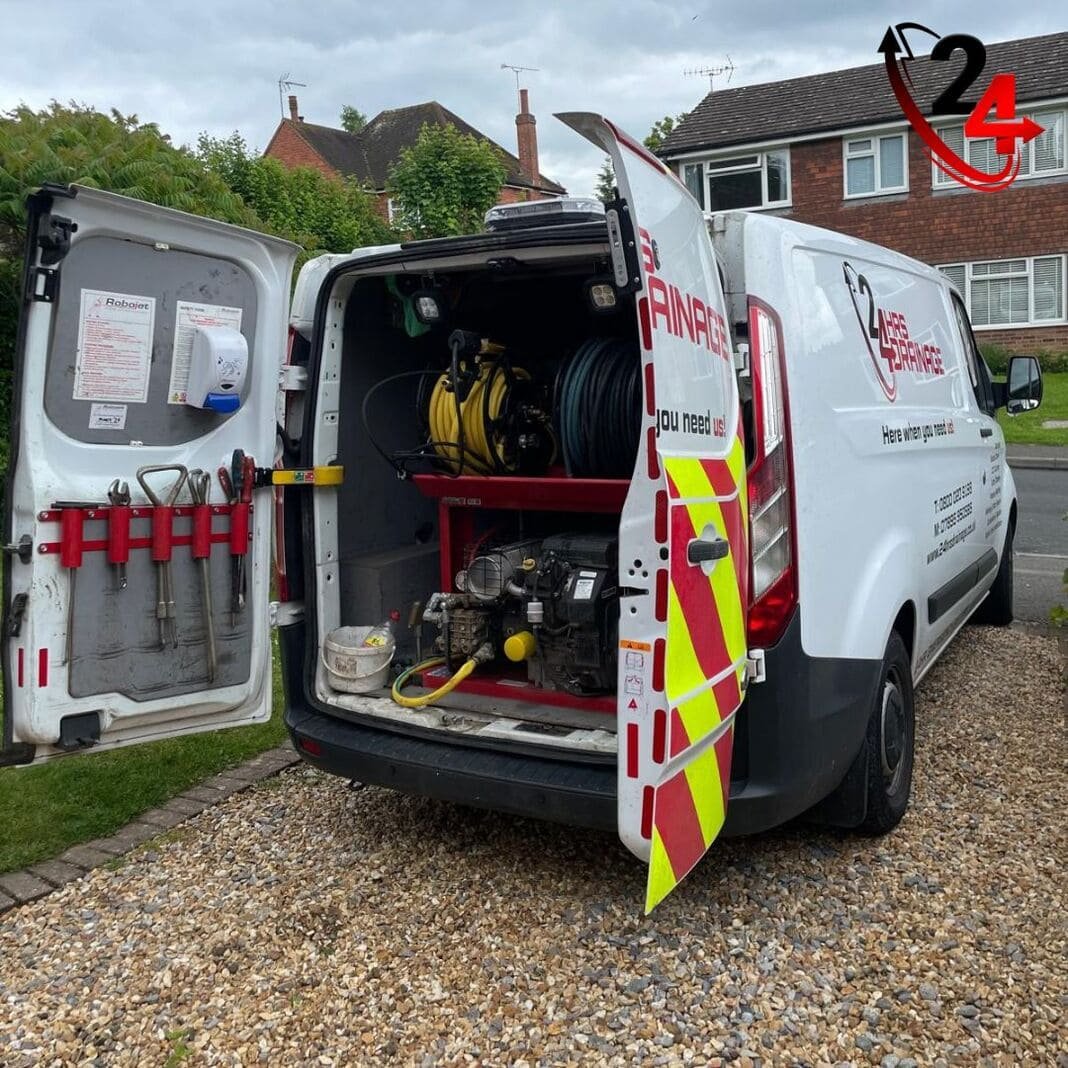
Inspect your drain system after both wet and dry extremes to catch early signs of pipe misalignment or leakage before they escalate.

Temporary Relief vs. Lingering Damage: Why Blockages Don’t Always Clear Themselves
A shop or office might see water drain away after a period of heavy rain and assume the issue has passed. Then, a few weeks later, the same line backs up again under far less pressure.
Heavy flow can sometimes push water through a partial blockage, but that is not the same as removing the underlying obstruction. Debris accumulation, silt build-up, and root mass formation can remain in place, with the pipe appearing to cope only until conditions change.
Dry periods can make matters worse in quieter ways. Material left inside the line can settle, harden, or cling more firmly to pipe walls once water volumes drop. A drain that seems to be flowing today may still be carrying a narrowed channel that fails the next time demand rises.
CCTV drain survey providers are often brought in precisely because temporary drainage relief can be misleading. What looks like recovery at surface level may simply be a short gap between failures, particularly in silted drains or lines carrying long-term debris in pipes.
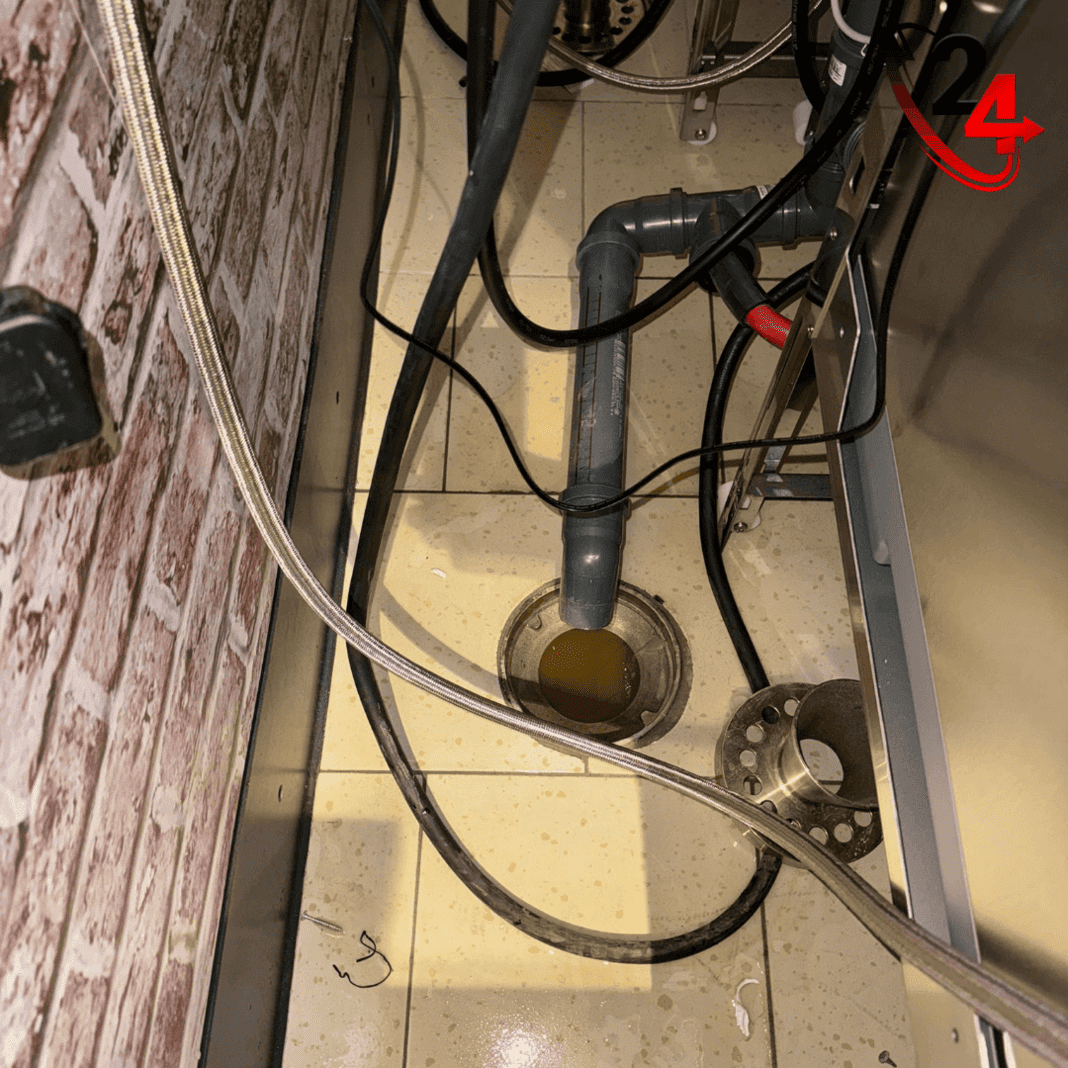
Compliance Pressure vs. Practical Realities: When Documentation Becomes Critical
A property sale can stall over what appears to be a minor drainage issue. The practical problem is often less about the defect itself and more about the lack of clear records showing what happened, when it happened, and whether it was properly assessed.
Insurance assessors, property surveyors, and local council planning teams may all focus on timing and evidence when drainage concerns arise. If seasonal ground movement has affected a drain run, missing inspection records can make a straightforward matter far harder to interpret.
Documentation becomes especially important where damage may have developed gradually. An insurer may want a drain survey report that distinguishes older wear from recent movement. A buyer may want assurance that any repair complied with the relevant standards. An inspector may need evidence that the issue is understood and contained, rather than guessed at.
Technical compliance and operational continuity are not always the same thing. A site may still function day to day, yet the absence of drainage compliance records can become a serious obstacle during a claim, an inspection, or a transaction that depends on certainty.
Store records of all drainage repairs and surveys, as accurate documentation speeds up insurance claims and property transactions.
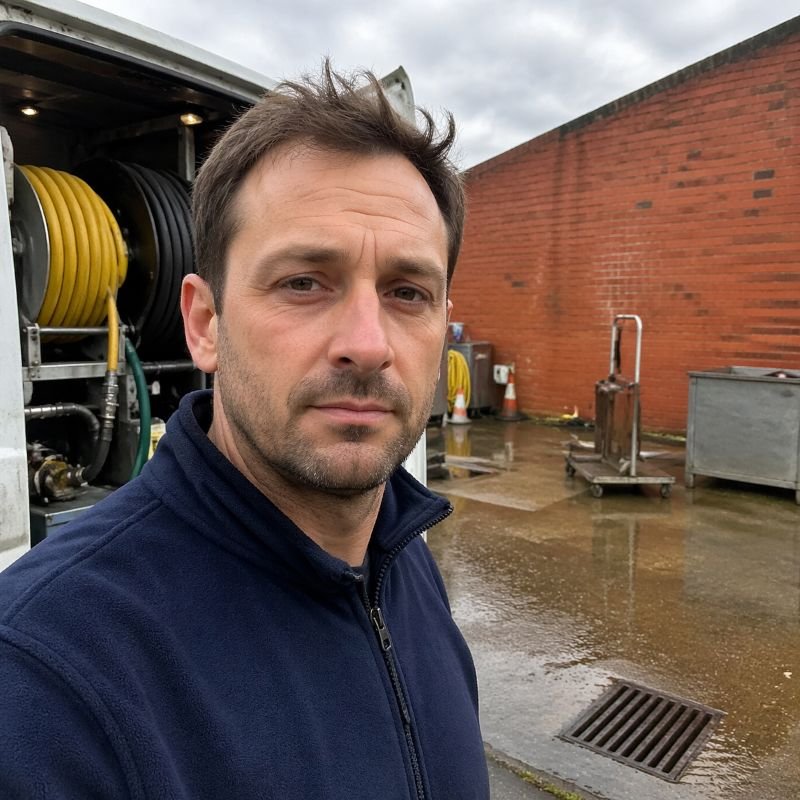
Routine Response vs. High-Stakes Intervention: Knowing When the Situation Escalates
A blocked drain at a house is inconvenient. The same issue at a restaurant, a managed block, or a trading premises can begin affecting access, hygiene, insurance exposure, or business continuity within hours.
That is the point where a routine response turns into something else. Timing starts to matter as much as the fault itself, because delays can widen the consequences. A small defect can become an operational problem if it interrupts tenants, customers, staff, or an agreed property timetable.
Commercial property managers usually recognise this shift quickly. Domestic owners often meet it during stressful moments such as a sale, a dispute, or sudden internal flooding. In both cases, urgent drainage response is usually less about the drama of the incident and more about the cost of letting uncertainty continue.
In Reading and Berkshire, firms such as 24hrs Drainage are often involved when the issue has already moved beyond inconvenience and into risk escalation. Local familiarity matters in those moments because emergency drain repair is rarely judged on speed alone. It is judged on whether the situation is contained before downtime, liability, or further damage spreads.
Rapid, reliable drainage repairs are available for urgent commercial or domestic issues. Contact our team for responsive solutions.
Request Immediate HelpShort-Term Fixes vs. Long-Term Stability: Why Outcomes Matter More Than Appearances
Two properties can face the same drainage fault and end up in very different positions a year later. One receives a quick patch that restores flow for the moment. The other gets a proper structural drainage solution that deals with the weakness as well as the symptom.
The first approach often looks successful at the time. Water moves again, disruption stops, and pressure drops. Yet patchwork work can leave the original vulnerability untouched, whether that is poor alignment, repeated root ingress, or a section already weakened by shifting ground.
A more durable response may involve greater disruption at the outset, but it usually aims for long-term drain stability instead of a temporary improvement in appearances. That distinction matters after a wet winter and a dry summer, because weather impact on drains tends to expose weak points repeatedly.
Property standards bodies, Building Control, and experienced drainage contractors all work from the same practical reality. A drain that merely functions again is not necessarily a drain that has regained stability. Over time, the approach focused on permanence tends to work out better than the one focused on immediate relief, because recurring interruption usually costs more than dealing properly with the structural problem in the first place.
