Tenant threatening legal action over a drainage problem? What to do before it escalates

What should a landlord do first if a tenant threatens legal action over a drainage problem?

A landlord should pause, assess the issue calmly, gather records, and respond in writing without delay. A drainage complaint can become a legal dispute when there is poor documentation, unclear responsibility, or a long gap between report and action, so the first priority is to establish facts and show a reasonable response.

Table of Contents

Pro Tip: Always document every step with dated photos and written logs from the moment a drainage issue is reported.

Understanding the stakes: why drainage disputes can escalate quickly

A blocked drain or recurring foul water issue can start as an ordinary repair complaint and turn into something far more serious within days. Once a tenant believes the property is becoming unhealthy, hard to live in, or that their reports are being ignored, the language often shifts from frustration to formal complaint.

Several factors tend to push a drainage dispute into legal territory:

  • Repeated reports with no clear response
  • Evidence of internal damage, odours, overflow, or unsafe conditions
  • Disagreement about who is responsible for the problem
  • Missed appointments, unclear timelines, or conflicting explanations
  • Involvement from Environmental Health, local councils, or a property management company

Pressure

uilds quickly because drainage problems affect daily life in obvious ways. A tenant may be dealing with unpleasant smells, restricted use of bathrooms or kitchens, or concern about sanitation. A landlord may be facing property damage, a possible disrepair claim, and the cost of proving what happened and when.

Under the Landlord and Tenant Act 1985, repair obligations can overlap with wider concerns about habitability and property condition. That does not mean every complaint becomes a claim, but it does mean a casual response can create unnecessary drainage legal risk if the issue is left to drift.

Book a Professional Drain Survey

Gain clarity on any drainage issue with an independent inspection from qualified experts. Secure your property and legal position.

Arrange a Drain Survey

Assessing your position: landlord responsibilities and legal context

Before replying to any threat of legal action, a landlord needs a clear view of their own duties. In broad terms, drainage linked to the structure or external systems of the property often sits within landlord responsibility, although the exact facts matter and tenancy agreements may affect how some issues are handled.

UK landlords are commonly judged on whether they acted reasonably after being made aware of a problem. Timing matters, but so does the quality of the response. A quick acknowledgement followed by no meaningful action can still leave a weak position if the issue persists.

The legal picture usually turns on a few practical points. The Landlord and Tenant Act 1985 is often central in repair disputes. The Housing Health and Safety Rating System, usually shortened to HHSRS, may become relevant if drainage conditions affect health or safe occupation. Tenancy agreements can support the wider picture, although they do not override basic statutory obligations.

  1. Check when the issue was first reported and how it was described.
  2. Review whether access was offered, inspections were arranged, and records were kept.
  3. Look at whether the drainage problem could affect sanitation, safety, or normal occupation.
  4. Compare the tenant’s complaint with any previous reports, contractor notes, or management records.


A common misunderstanding is that responsibility always depends on fault. In practice, the key issue is often whether the landlord drainage duty was engaged and whether reasonable steps followed once notice was given. Another misunderstanding is that a tenancy agreement alone settles the matter. It helps, certainly, but poor drainage conditions can raise wider repair and housing standard issues that go beyond a simple clause.

Gathering evidence: documentation before dialogue

Once legal language appears in a tenant complaint, assumptions become expensive. Records are what turn a confused disagreement into a manageable timeline.

Useful drainage evidence usually includes:

  • The original tenant report, including dates and wording
  • Emails, messages, letters, and call notes
  • Photographs or videos showing the condition at different points
  • Appointment records, invoices, and attendance logs
  • Inspection reports from contractors or managing agents
  • Any CCTV drain survey or drain survey report that identifies the cause or extent of the issue
  • Notes about access problems, missed visits, or temporary measures


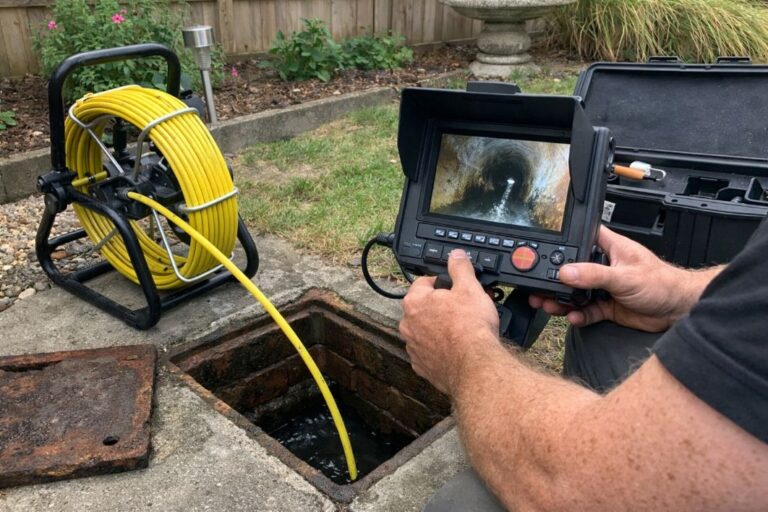
Independent evidence can be especially valuable where the source of the problem is disputed. A CCTV drain survey, for example, may help separate a one-off blockage from a structural defect, shared drainage issue, or problem outside the tenant’s control. That kind of documentation does not settle liability by itself, but it can narrow the argument sharply.

Imagine a tenant says the landlord ignored reports for weeks, while the landlord believes the delay happened because access was refused twice and the first contractor found no internal fault. Without a clear correspondence log and inspection outcome, the dispute becomes one person’s account against another’s. With records, the timeline becomes much harder to challenge.

Pro Tip: Appoint a single point of contact for all communications regarding the dispute to prevent mixed messages.

Schedule a Landlord Consultation

Get expert advice tailored to your tenancy and drainage responsibilities from a property management professional.

Book Consultation

Communicating effectively: managing dialogue with tenants

A legal threat often reflects a breakdown in trust as much as a drainage fault. Written communication should therefore focus on facts, timing, and next actions, without sounding dismissive or defensive.

Prompt acknowledgement matters. A tenant should know that the complaint has been received, that the issue is being assessed, and that further updates will follow. Vague phrases can inflame matters, particularly if they sound like delay dressed up as reassurance.

Tone deserves careful attention. Blame, irritation, or casual language can look poor if the exchange is later reviewed by a council officer, ombudsman, or solicitor. Clear wording works better than forceful wording, and calm detail usually carries more weight than repeated insistence that the problem is being taken seriously.

Where a property management company is involved, one person should own the communication trail. Mixed messages from landlord, agent, and contractor create avoidable confusion. If the tenancy agreement sets out reporting routes or access arrangements, those points should be referred to plainly and without confrontation.

At times, a third party such as a managing agent or mediation service can help steady the dialogue, particularly where the relationship has become strained. The aim is not to win an argument in writing. The aim is to show that the drainage complaint response is organised, proportionate, and supported by evidence.

When to involve professionals: recognising the limits of DIY resolution

Some disputes stop being routine the moment the facts become uncertain or the consequences become wider than a basic repair. If the cause is unclear, the issue keeps returning, damage is spreading, or legal and compliance concerns are now in play, professional drainage help becomes less a preference and more a practical necessity.

A landlord or agent may be able to arrange an ordinary repair visit for a simple and isolated issue. By contrast, a recurring overflow, suspected collapsed pipework, shared drain dispute, or complaint linked to habitability usually needs independent assessment. That is especially true where a tenant is already alleging disrepair or preparing formal action.

Professional involvement can help in several ways. It can establish what the problem actually is, whether the issue is internal or external, whether previous action was sufficient, and what evidence exists for any later review. In Reading and Berkshire, firms such as 24hrs Drainage are often brought in when speed, documentation, and a clear diagnosis matter as much as the repair itself.

Delay has its own cost. A problem that might have been resolved as a maintenance matter can become a wider compliance issue if waste water escapes, rooms become unusable, or official involvement begins. Once a dispute reaches that stage, an independent drain survey or specialist report may carry far more weight than a string of informal notes.

Avoiding common pitfalls: missteps that can worsen legal exposure

Small errors often do more damage than the drainage problem itself. Legal exposure tends to rise when the paper trail is thin, the response is inconsistent, or the language used in correspondence makes the landlord appear dismissive.

The most common drainage dispute pitfalls include:

  • Ignoring the complaint because the tenant sounds angry or exaggerated
  • Treating a recurring issue as resolved without evidence
  • Relying on verbal conversations with no written follow-up
  • Sending contractors without recording findings or outcomes
  • Using combative wording in emails or messages
  • Assuming the tenant is responsible before the cause is verified
  • Waiting for Environmental Health or a local authority to become involved before acting


Incomplete action is a frequent problem. A landlord may arrange attendance quickly, but if there is no report, no photographic record, and no explanation of what was found, the visit offers limited protection later. The same applies where a temporary fix is presented as a full resolution and the problem returns.

Another misstep involves treating every legal threat as empty pressure. Some complaints never progress, but some do move into formal disrepair allegations, local authority scrutiny, or referral to a property ombudsman where record keeping and response quality are examined closely.

Reframing the issue: why early, informed action matters most

A drainage dispute often looks bigger at the point of legal threat than it really was at the start. Delay, uncertainty, and poor records create that expansion. Early action shrinks it again by replacing emotion with evidence and loose allegations with a clear sequence of events.

Practical landlords tend to fare better when they treat the first serious complaint as a decision point, not an annoyance. A measured response, proper documentation, and independent assessment where needed can reduce uncertainty for everyone involved, including the tenant.

Future disputes are also easier to handle when each complaint leaves behind a reliable record of what was reported, what was found, and how the issue was addressed. That habit does more than protect a legal position. It turns drainage risk management into something orderly, visible, and far less likely to spiral.

Download a Drainage Dispute Checklist

Stay organised with a practical checklist covering every step landlords need to take when facing drainage complaints.

Download Checklist

24hrs Drainage Limited

33 Falmouth Rd, Reading RG2 8QR

0800 020 9198

https://24hrsdrainage.co.uk/

Opening Hours:
Monday – Sunday : Open and available 24 hours per day