
Are summer drain smells in commercial premises really caused by hot weather?
Hot weather can make drain odours more noticeable, but heat alone is rarely the full explanation. In restaurants and shops, persistent smells usually point to an underlying drainage issue, system stress, or a condition that warmer temperatures have exposed. Once odours keep returning, affect trading areas, or spread beyond one location, the issue has moved beyond a seasonal nuisance.
The Temperature Trap
Blaming the weather feels reasonable, but it often delays the right response.
Summer drain odours do tend to spike in commercial premises. Warmer air can intensify smells and increase odour migration through kitchens, toilets, storage areas, and front-of-house spaces. Even so, temperature usually acts as an amplifier, not the source.
A restaurant may notice a stronger smell during a busy weekend and assume the heat is the whole problem. A shop with a staff toilet near a stockroom may make the same assumption during a warm spell. In both cases, the smell often starts elsewhere, including partial blockages, trapped waste, stressed pipework, or a system that is already under pressure from daily use.
Seasonal thinking creates an operational blind spot. Once managers write the problem off as heat and drainage behaving badly in summer, underlying blockages can continue to build, and the business loses time it could have used to address the real cause. That matters most where Environmental Health Officers, local authorities, or commercial property insurers may later ask why a persistent issue was left unresolved.
Compliance and Hidden Liability
A persistent drain smell can carry compliance implications long before anyone sees visible flooding or a full drainage failure.
In a food business, odour is rarely treated as a purely cosmetic issue. If a member of staff raises it internally, if a customer complains, or if Environmental Health notices it during a visit, the conversation can shift quickly from comfort to hygiene standards, record keeping, and whether the premises are being managed properly. The Food Standards Agency framework does not revolve around smell alone, but repeated odours can draw attention to sanitation, waste handling, and drainage compliance.
Picture a small restaurant where a sour drain smell appears in the prep area every afternoon. Staff clean around it, the manager assumes the weather is making it worse, and trading continues. A week later, an inspection picks up the odour, notes the lack of documented action, and asks for evidence that the issue has been assessed. At that point, the problem is no longer just unpleasant. It has become an inspection risk with a paper trail missing from the file.
Commercial insurers can view unresolved drainage issues in much the same way. If a later claim involves contamination, water damage, or interruption to trade, insurers may look closely at whether earlier warning signs were recorded and acted on. Documentation gaps can make a straightforward claim harder to support, particularly where a smell had been present for some time without any formal assessment.
Arrange a thorough inspection to identify and address hidden drainage issues in your commercial premises before they escalate.
Schedule AssessmentThe Cost Escalation Curve
Delay changes the shape of the problem.
At the start, a commercial drain smell may seem manageable. Staff mention it, windows are opened, cleaning is increased, and the business keeps moving. Yet the underlying issue can continue to worsen in the background, especially in premises with heavy daily use, shared systems, or older drainage runs.
A prompt intervention often means a contained problem, a shorter disruption, and a clearer record for landlords, local authorities, or insurers. Leave the issue in place, and the cost can spread sideways into downtime, cancelled bookings, unusable work areas, emergency attendance outside normal hours, and disputes over who is responsible for the repair.
Commercial landlords tend to become involved once smells affect tenants, neighbouring units, or common areas. Business interruption insurance may also become part of the picture if the premises cannot operate as usual. By then, the question is no longer whether the smell is annoying. The question is whether a preventable drainage issue has started to interfere with revenue and responsibility.
Emergency drain repairs are often more expensive in practice than planned intervention because the surrounding pressure is greater. A problem addressed early may stay within the drainage system. A problem addressed late can affect staffing, stock, customer experience, and reopening times, which means that the odour was only the first visible sign of a much wider operational cost.
Keep detailed records of any drainage complaints, actions taken, and outcomes for easier compliance during inspections

Structural Weaknesses Revealed
A recurring drain smell often resembles paint peeling over damp. The smell may come and go, but the return pattern suggests that something beneath the surface is not sound.
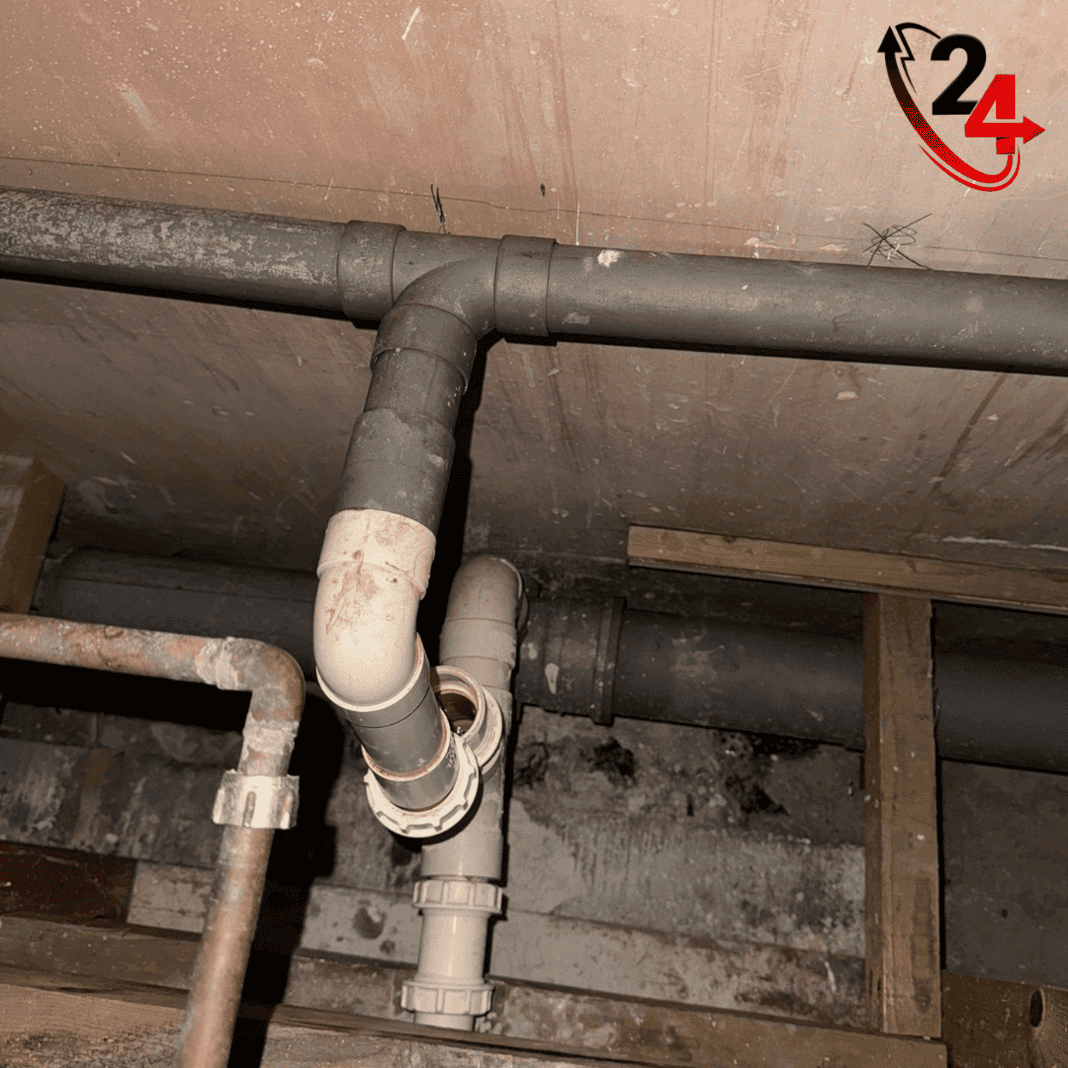
In commercial properties, short-term fixes can suppress symptoms without resolving structural drainage problems. A partial blockage might be cleared, yet hidden drain damage, poor falls in pipework, worn seals, displaced joints, or ageing lines can remain in place. Heat and heavy usage then expose the weakness again, particularly in older premises or buildings that have been altered over time. Building control records, property maintenance contractors, and drainage surveyors often become relevant once the same complaint resurfaces more than once, because repeated odours can point to concealed damage rather than a one-off incident.
A shop or restaurant that keeps treating recurring drain smells as isolated events can end up paying for the same interruption several times. By contrast, a thorough assessment may reveal that the issue sits more detailed in the system and requires remedial works with a longer shelf life.
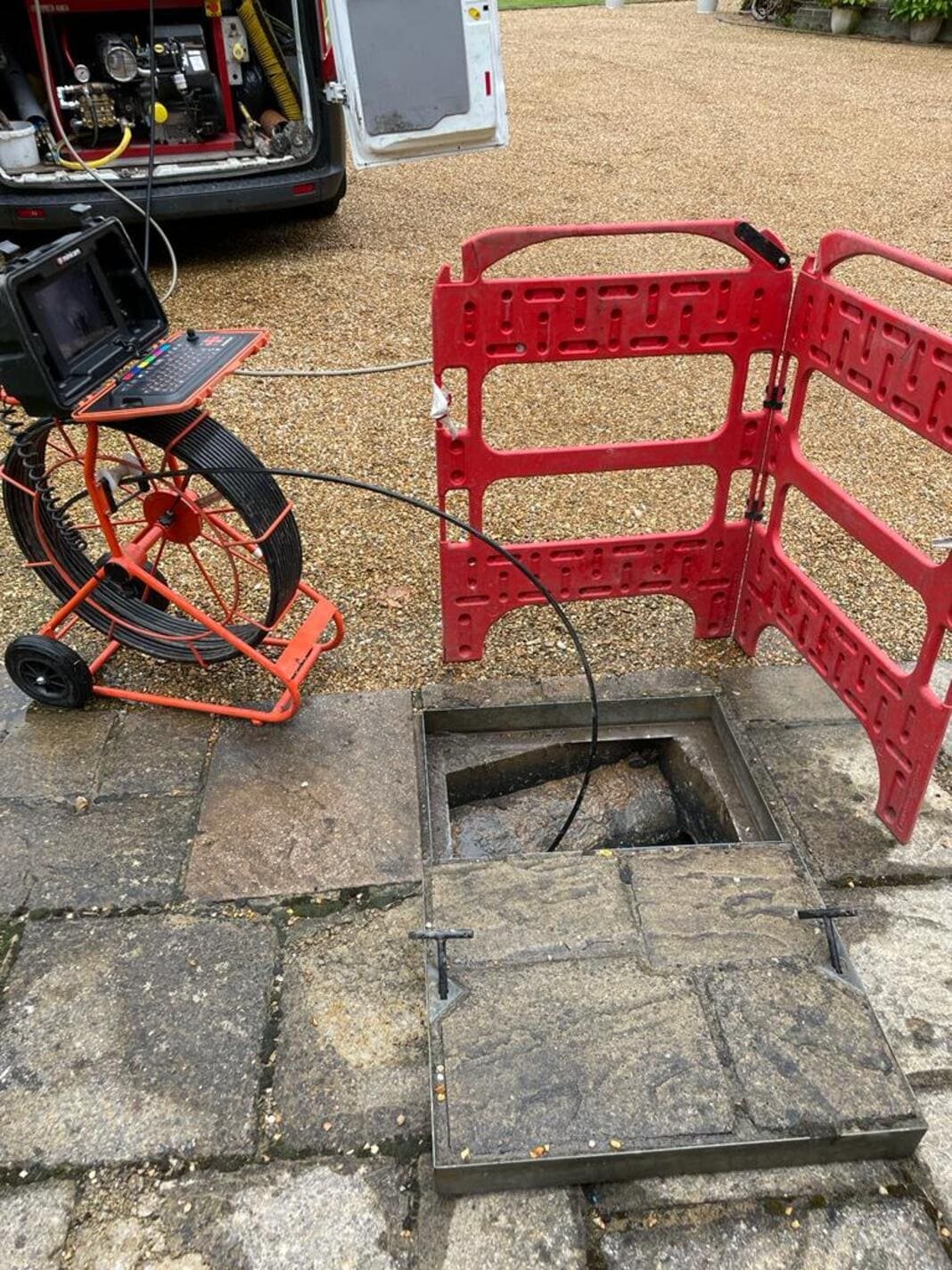
Do not rely solely on temporary fixes; invest in a full system assessment when odours return persistently
Risk Points in Commercial Premises
Some parts of a commercial property are far more likely than others to turn a smell into an operational problem.
- Commercial kitchens, where high use and waste build-up put pressure on drainage every day.
- Staff toilets and back-of-house wash areas, where odours can spread into workspaces before customers notice them.
- Cellars, service corridors, and shared drainage points, where inaccessible pipework and communal systems make the true source harder to isolate.
Visible areas do not always contain the real fault. A smell near a shop floor toilet may originate from a shared drainage line elsewhere in the building. A kitchen odour may seem local, yet the source could sit further down a stressed system that serves multiple units. Facilities managers and commercial property managers know that older premises can be especially awkward here because legacy systems rarely match the neat layout suggested by the floor plan.
Professional Response Thresholds
A drain smell becomes a business issue when it starts affecting continuity, compliance, or the ability to evidence what has happened.
One brief odour after a quiet period does not always point to an urgent fault. Repeated smells in a food prep area, odours that spread into customer space, complaints from staff, or any issue linked to backing up waste water raise the threshold considerably. At that stage, the value of a specialist is not just technical assessment. The value sits in risk mitigation, evidence gathering, and protecting normal operations.
Imagine a shop that notices a strong smell in a rear service area on Friday afternoon. By Saturday morning, staff report that the odour has moved into the stockroom, and a neighbouring unit mentions the same issue. Waiting through the weekend may turn a manageable assessment into a wider dispute about shared drainage and trading impact. In that kind of situation, urgent drainage support functions as a safeguard for operations, insurers, and regulatory inspectors alike.
That is the point at which firms such as 24hrs Drainage are usually brought in. The decision is less about convenience and more about securing a clear professional record before the issue starts affecting compliance, liability, or business continuity in a more serious way.
Get tailored advice on meeting hygiene and documentation standards for your business’s drainage systems.
Request ConsultationChanging Standards and Future Pressures
Over the next 12 to 24 months, commercial operators are likely to face closer scrutiny on how drainage issues are recorded, evidenced, and resolved.
Environmental Health teams and local authorities already expect premises to show that hygiene risks are being managed in a practical, traceable way. The insurance industry is moving in a similar direction, with greater emphasis on records, timelines, and whether warning signs were acted on promptly. In parallel, digital compliance platforms are making it easier for inspectors, assessors, and managers to compare what was reported with what was done.
That shift matters because future drainage standards may be shaped less by the presence of a smell itself and more by the quality of the response around it. A business that can show clear digital records, timely assessment, and a sensible approach to recurring odours will be in a stronger position than one relying on informal explanations about summer heat. As scrutiny increases across food, retail, and mixed-use premises, operational transparency is likely to matter more than many operators currently expect.
