
Can a drainage failure force a care home or medical facility to stop operating?
Yes. A drainage failure can lead to partial or full closure if sanitation is lost, contamination risk affects residents or patients, or hygiene standards can no longer be maintained safely. In care homes and medical settings, drainage is tied directly to compliance, infection control, safeguarding, and business continuity.
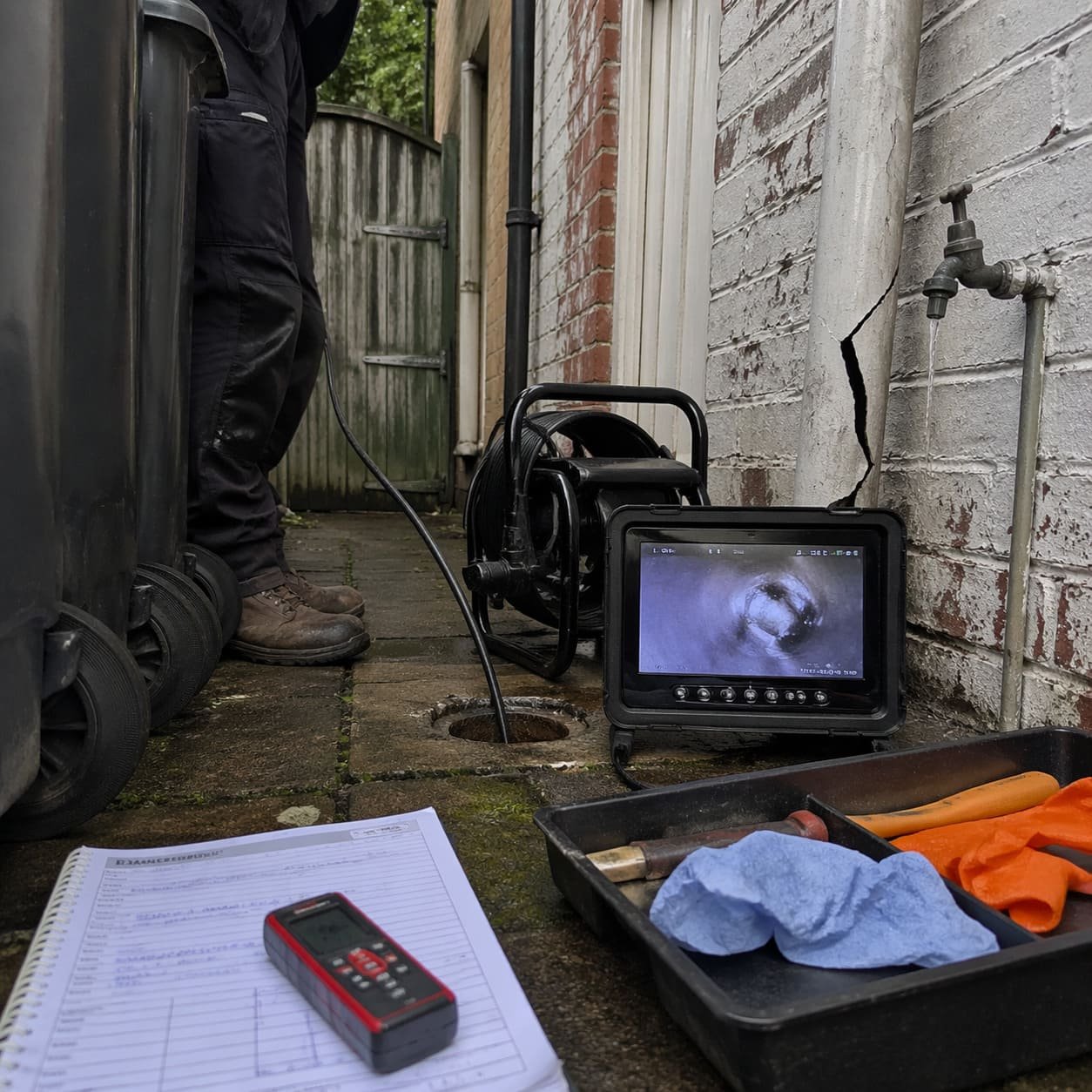
Set Aside Assumptions About Drainage and Operational Risk
A blocked sink in a private home is usually an annoyance. A drainage failure in a care home or medical facility can become an operational decision within hours.
Many operators place drainage in the background of site management because most of the system is out of sight. Heating failures are obvious. Security failures are visible. Drainage tends to stay unnoticed until wastewater backs up, toilets go out of use, or foul odours begin to affect occupied areas.
That difference matters. Invisible failures often get treated as minor for too long, especially when the first signs seem localised. One unusable toilet, one slow waste line, or one small internal backup can look manageable on the surface. In a setting governed by hygiene protocols, CQC expectations, NHS guidelines, Environmental Health standards, and local authority oversight, that assumption can quickly become unsafe.
A care provider may think it is dealing with maintenance. In practice, it may already be dealing with drainage risk that threatens care home operations, service continuity, and inspection outcomes.
Examine How Drainage Failure Disrupts Care and Medical Operations
A drainage incident does not need to be dramatic to interrupt care.
Picture a residential wing where toilet facilities begin to fail one after another. Staff need immediate workarounds. Residents may need assistance with relocation, altered routines, or restricted access to washing and sanitation. Clinical waste handling, cleaning schedules, and infection control procedures come under pressure at the same time.
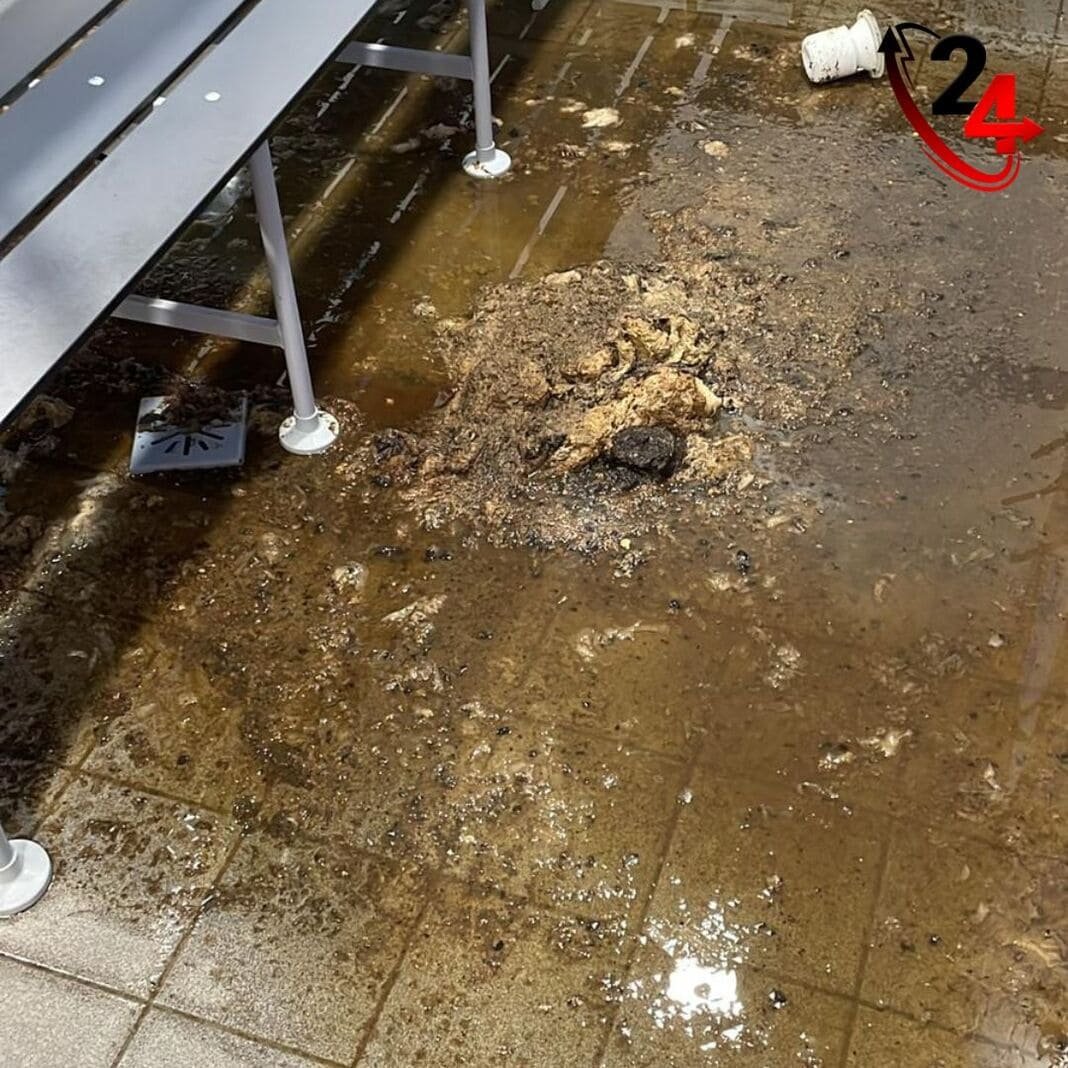
Once wastewater starts backing up, the issue moves beyond inconvenience. Contamination risk affects bathrooms, sluice areas, corridors, and any room linked to the failed system. Infection control teams may need to assess whether the environment remains safe for vulnerable people, especially where continence care, wound care, or medication routines depend on clean facilities.
A medical setting faces a similar chain reaction. Treatment rooms, staff welfare areas, and patient toilets all rely on functioning drainage. If sanitation cannot be maintained, services may need to be paused, appointments moved, or parts of the building closed. That creates service interruption for patients, pressure on staff, and practical problems for transport providers, families, and partner organisations.
Regulatory obligations can tighten matters further. If health and safety risks cannot be contained, managers may have little room to keep operating as normal. A drainage emergency can therefore shift from estates issue to safeguarding concern in a very short span.
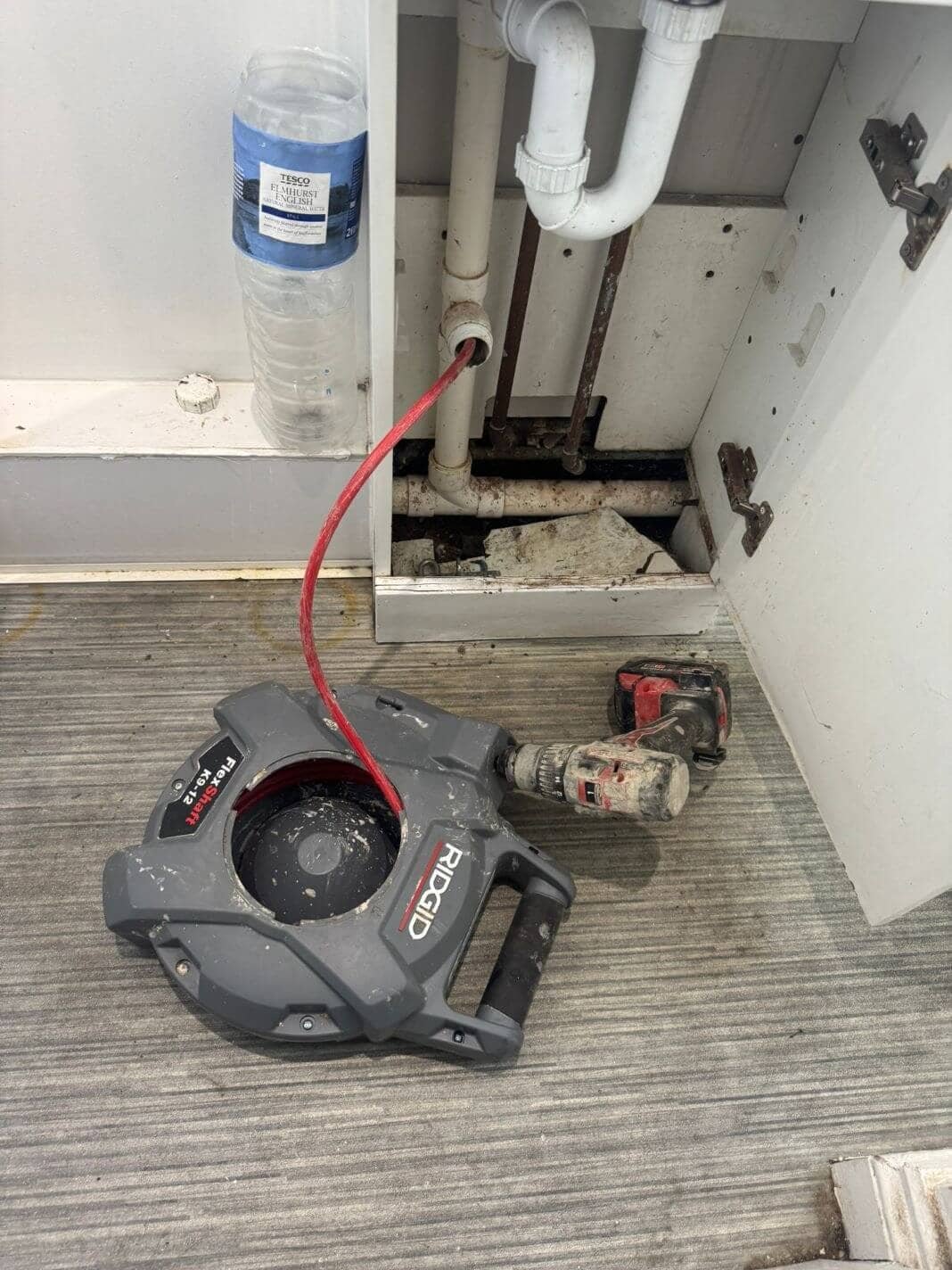
Ensure your care home or medical facility is prepared. Book a professional drainage assessment to protect business continuity and compliance.
Book AssessmentIdentify What Triggers a Mandatory Shutdown
Not every blocked drain leads to closure. Authorities generally look at the effect on safety, sanitation, and the ability to provide care lawfully.
A limited issue that is contained, isolated, and resolved before hygiene standards are compromised may not trigger a shutdown. A single area taken out of use for a short period can sometimes be managed if suitable alternatives exist and risk assessment supports continued operation.
Different facts point in the opposite direction. Loss of usable toilets or washing facilities, sewage ingress into occupied spaces, foul water contamination, or any failure that prevents safe cleaning can push the matter into mandatory closure territory. Environmental Health, CQC, or local council enforcement teams may intervene if the building no longer supports basic sanitary conditions.
Documentation also affects how the situation is judged. Managers may be asked to show when the problem started, what areas were affected, what immediate controls were put in place, and whether the risk to residents, patients, or staff was properly assessed. A poor paper trail can make a bad incident look worse during a compliance audit.
The dividing line is usually practical rather than technical. If the facility cannot maintain safe care, clean facilities, and lawful operating conditions, continued use becomes difficult to defend.
Keep detailed records of all drainage incidents and actions taken, as proper documentation supports future compliance assessments.

Evaluate the Cost and Liability of Delayed Action
Speed changes the shape of the problem.
An operator who treats a drainage failure as an urgent operational issue may contain disruption to one area, preserve records, and show insurers or regulators that action was prompt and proportionate. The repair itself may still be inconvenient, but the wider exposure often stays narrower.
Delay produces a different story. Wastewater can spread. Occupied rooms may become unusable. Staff rotas may need to change. Agency cover may be required if normal routines break down. Families, commissioners, or partner services may ask why early signs did not lead to faster intervention.
Insurance questions often follow the timeline. Providers may want evidence of the incident, the response, and the condition of the site before and after works. If records are thin or the issue appears to have been left to worsen, claim disputes become harder to avoid. Legal advisors and risk management consultants often focus on the same point: whether the operator acted reasonably once the drainage disruption became apparent.
Reputational harm can outlast the repair. A care home closure, even a temporary one, affects confidence among families and professionals. In a medical facility, cancelled appointments and compliance concerns can shape how the organisation is viewed long after the drains are functioning again. One neglected blockage can therefore become a liability issue with several moving parts, namely cost escalation, inspection pressure, and questions about governance.
When selecting a drainage contractor, choose one with proven experience in care or clinical environments for reliable risk management and evidence provision.
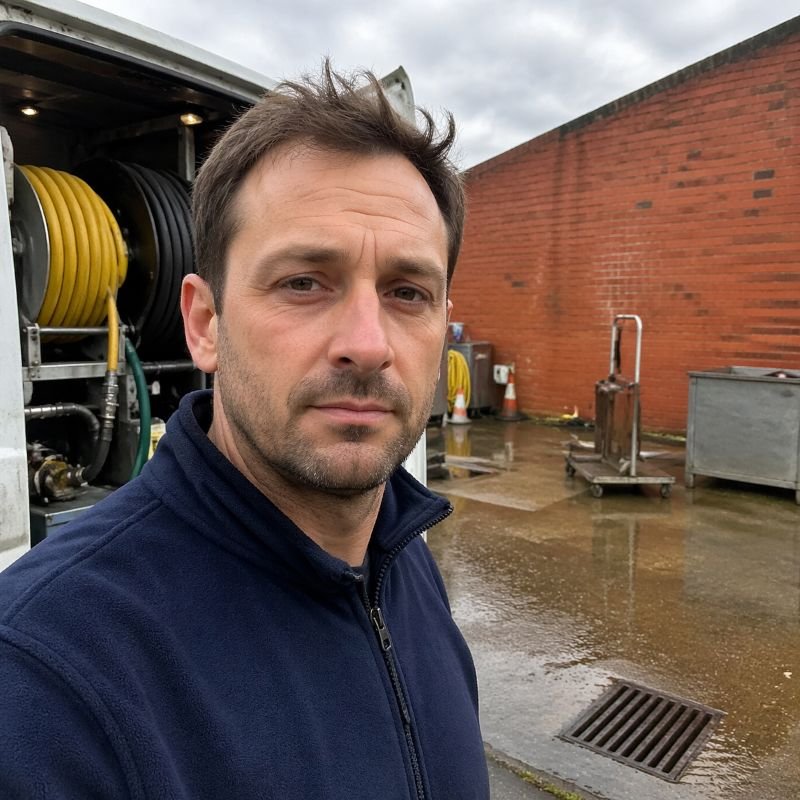
Recognise When Professional Intervention Is Important
Some drainage problems stop being an in-house matter almost immediately.
If wastewater is backing up into care areas, if toilets or washrooms are being lost across a building, or if there is any doubt about contamination, operators usually need specialist drainage support without delay. Facilities teams and onsite staff may be able to isolate an area or support temporary controls, but they cannot turn an unsafe environment into a compliant one by improvisation.
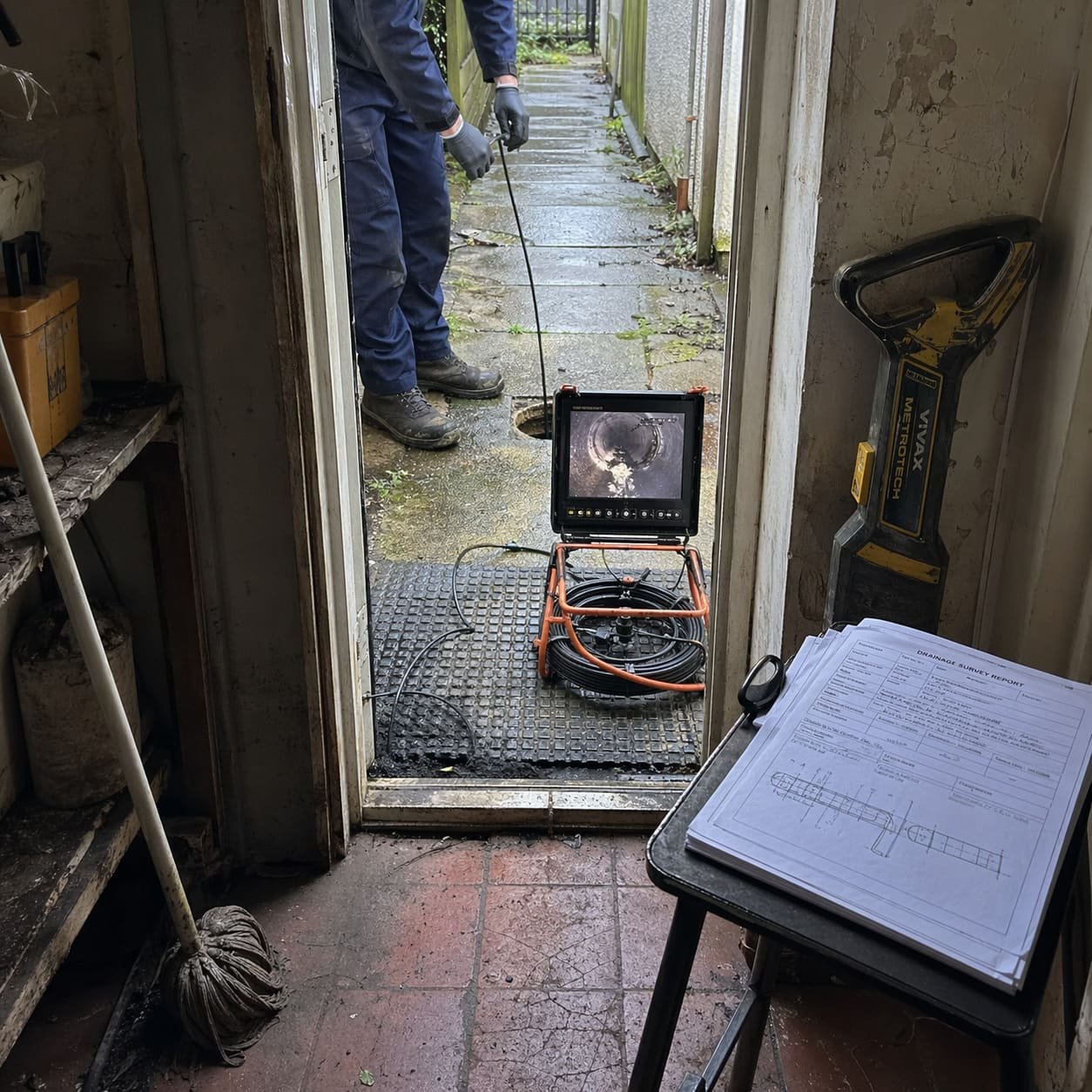
Professional intervention matters for reasons beyond the physical fix. A specialist response can provide documented attendance, evidence of the extent of the issue, and a clear record of what was found. That material may later matter to compliance officers, insurers, local authorities, or internal governance reviews.
Sector familiarity also counts. A contractor used to domestic callouts may not be prepared for the reporting needs, safeguarding context, or time pressure inside a care or clinical environment. By contrast, a specialist working regularly in risk-sensitive buildings will usually understand why access, containment, documentation, and continuity all matter at once.
In Reading and Berkshire, operators dealing with pressure-led incidents may therefore look for a provider such as 24hrs Drainage when the issue has moved beyond maintenance and into compliance-sensitive territory.
Understand How Local Response and Compliance Shape Outcomes
Distance can turn a containable incident into a shutdown.
A local drainage response often means faster attendance, quicker site assessment, and better awareness of how regional enforcement teams and inspection standards tend to operate in practice. That does not change the rules, but it can affect how quickly a facility gets from uncertainty to a defensible plan.
Suppose a care home in the Thames Valley loses sanitation in one wing late in the evening. Management needs more than a generic promise of attendance. It needs a response that recognises occupancy, vulnerable residents, cleaning constraints, and the possibility of inspection scrutiny the next morning. Local familiarity helps because time is being measured against operations, not convenience.
Compliance has a local texture as well. Environmental Health expectations, local authority reporting habits, and the quality of incident records can all shape the pressure on managers during and after the event. A prompt, well-documented response gives decision-makers something concrete to work with when they need to justify why part of a building stayed open, why another part was closed, or why resident movement became necessary.
Technical skill still matters, of course, but speed and usable evidence often determine whether an incident remains disruptive or becomes defining.
If you are facing urgent drainage issues, our team offers specialist rapid response services for regulated settings in your area.
Get Emergency HelpDispel the Myth: “It’s Just a Blocked Drain, It Won’t Shut Us Down”
That assumption causes trouble because it treats drainage as a comfort issue instead of an operational one.
A minor drainage issue can still create a compliance breach if it removes sanitation, affects hygiene failure controls, or exposes residents and patients to contamination. CQC, Environmental Health, and infection control teams do not judge the situation by whether the original blockage sounded small. They judge the effect on safety and lawful operation.
Managers sometimes picture shutdowns as the result of major floods or obvious sewage spills. In reality, a blocked drain risk can start with one area, spread through normal building use, and reach the point where safe care cannot continue in that part of the site. The scale of the first symptom does not reliably predict the seriousness of the outcome.
The common misconception is that only dramatic drainage failures close facilities. A quieter failure can do the same job if it undermines sanitation quickly enough.
