
How quickly can a damaged drain turn into an emergency?
A damaged drain can become an emergency much sooner than most people expect. Once there is a risk of water ingress, property damage, contamination, operational downtime, or a compliance issue, delay stops being harmless and starts increasing exposure. In many cases, the line is crossed before the problem is fully visible.
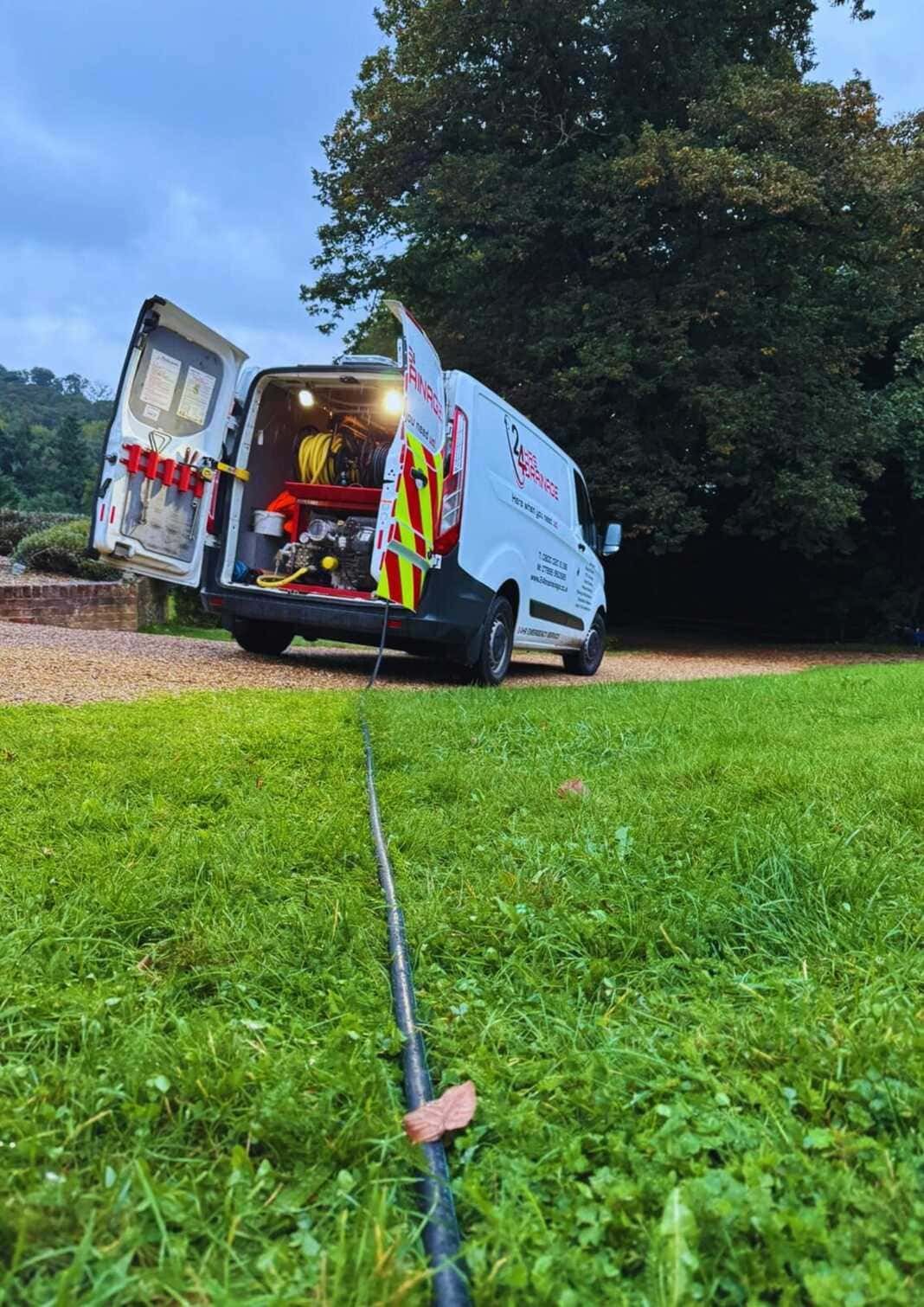
The Immediate Risk Line: Why Time Matters More Than Most Assume
A damaged drain does not usually wait politely for a convenient moment. One day it looks like a minor nuisance, and the next it affects flooring, walls, access routes, foul odours, or business operations. That shift can happen quickly because drain damage often worsens out of sight before the surface signs catch up.
Picture a home where wastewater is draining slowly but still disappearing. The occupier assumes it can wait until next week because nothing has backed up indoors. Meanwhile, a crack in the pipe allows repeated leakage into the surrounding ground, which means that the issue is no longer just about inconvenience. It has become a time-sensitive drain issue with the potential for water ingress and structural impact.
Commercial sites face the same pattern, often with higher stakes. A small external drainage fault can look manageable until staff toilets become unreliable, waste water affects a service yard, or a tenant raises concerns that draw in a property manager. Once Environmental Health, local councils, or insurance providers need answers, the question changes from “Is this urgent?” to “Why was this left?”
The common misconception is that a minor drain defect stays minor if the symptoms remain tolerable. Drain damage escalation rarely works that way. Time pressure compounds risk, and the consequences can move beyond repair cost into compliance problems, claim difficulty, and disruption that arrives faster than expected.
Ensure your drains are secure and compliant with a professional CCTV survey tailored to your property needs. Get detailed evidence for insurers and peace of mind.
Schedule My SurveyThe Problem with Overlooking Hidden Damage
An underground drain can fail quietly for longer than people realise, which is precisely why hidden drain damage causes so much disruption. A patch of damp, an occasional smell, or a recurring blockage may look like isolated annoyances, yet they can point to structural drainage issues that have been developing for some time.
During a property sale, this becomes especially awkward. A seller may believe a recently cleared blockage has solved the problem, only for a building inspector or insurer to raise concerns about repeated history, missing evidence, or signs of undetected drain failure. What seemed resolved at surface level starts looking incomplete once documentation matters.
Domestic properties tend to feel the impact through damage inside the home or uncertainty during surveys. Commercial premises often carry a wider burden because operations, tenants, hygiene standards, and reporting duties can all be affected at once. A café with recurring drainage trouble, for example, may be dealing with hidden pipe damage as well as the risk of contamination and lost trading time.
CCTV drain survey providers are often brought in because surface symptoms do not explain the full picture. That does not make the survey itself the story. The real issue is that insurers, the Environment Agency, and other decision-makers may expect compliance evidence where damage has affected land, waste water control, or the condition of the building. Once that paper trail is missing, the problem is no longer purely physical.
Reading and Berkshire properties add their own practical context, particularly where older drainage layouts, shared connections, or mixed-use buildings make faults harder to trace. In those settings, false reassurance can be expensive because the absence of obvious flooding does not mean the drain is sound.
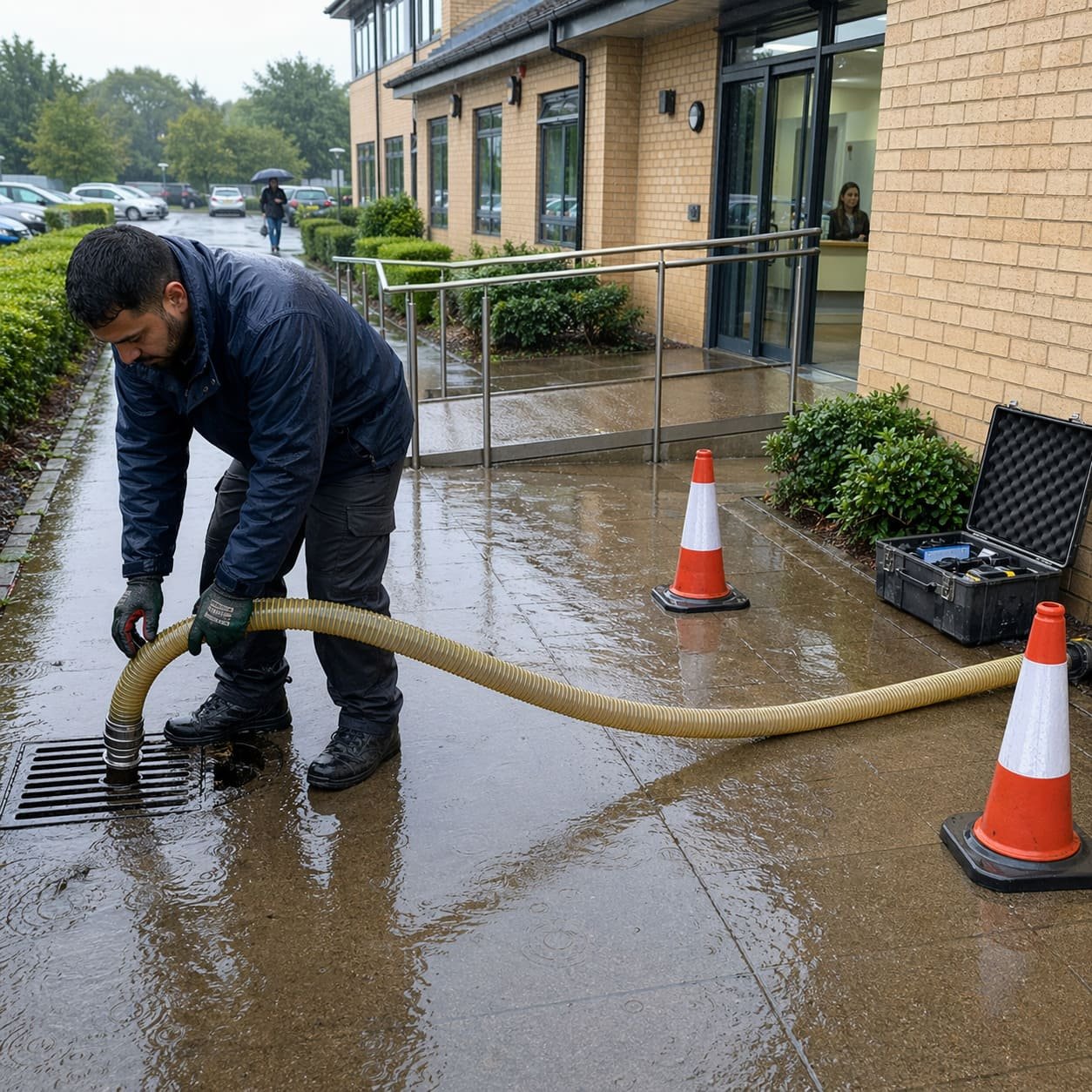
Clear documentation and early surveys make compliance and insurance claims far smoother in the event of damage escalation.

The Real Cost of Delay: Financial, Legal, and Operational Exposure
Delay changes the type of cost involved.
At first, most people think in terms of repair expense. Soon after, the issue broadens into business interruption, claim refusal, liability exposure, and damage that affects other parts of the property. A fault that might have been contained early can end up requiring wider remedial work because surrounding materials, access areas, or adjacent land have also been affected.
Insurance and drains are closely tied where evidence, timing, and prior awareness come into play. If a problem appears to have been known about and left unresolved, insurers may look closely at whether the resulting damage was sudden or avoidable. That distinction can shape how a claim is viewed, especially where documentation is weak or the damage has clearly worsened over time.
Neighbours can become part of the picture as well. If drain failure contributes to overflow, water migration, or damage beyond the original property boundary, legal advisors may become involved. In a shared drainage situation, uncertainty over responsibility can intensify precisely because the defect was allowed to continue.
Commercial landlords and site managers carry another layer of exposure. Operational downtime can affect staff, customers, deliveries, hygiene standards, and tenant relationships in ways that outlast the physical repair. Reputational harm is hard to measure neatly, yet a drainage issue that disrupts access or creates an obvious environmental problem can leave a lasting mark on how a site is perceived.
By the time cost escalation becomes obvious, the real question is usually no longer about the drain alone. It is about what else the delay has pulled into the problem.
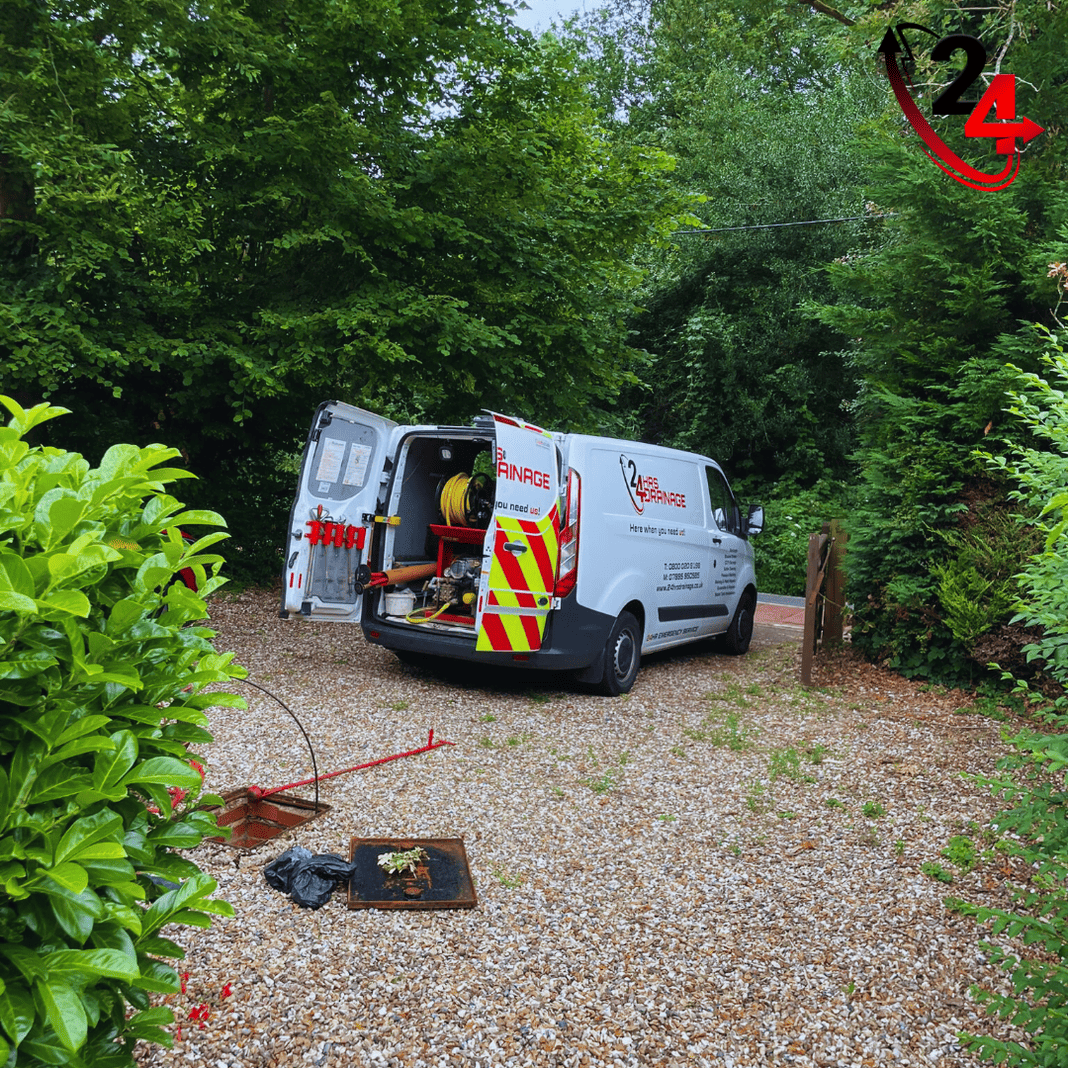
The Threshold: When Professional Intervention Becomes Non-Negotiable
The tipping point is reached as soon as drain damage creates actionable risk instead of manageable inconvenience.
For a homeowner, that line may be crossed when wastewater starts affecting the building, when a survey or insurance claim needs formal evidence, or when responsibility for the drain is unclear. A disputed boundary issue or shared connection can turn a private annoyance into a matter that needs documentation, clarity, and a defensible record.
On the commercial side, the threshold often arrives sooner. A site does not need to be fully shut down for the situation to require emergency intervention. Threats to operational continuity, hygiene, staff welfare, access, tenancy obligations, or compliance deadlines are enough on their own. Once enforcement action, inspection failure, or a regulatory breach becomes possible, waiting is no longer a neutral choice.
Some drainage specialists are regularly called in at exactly this stage, when the issue has moved beyond symptoms and into consequences. In Reading and Berkshire, 24hrs Drainage is one of the firms typically involved where timing, evidence, and calm handling matter as much as the repair itself.
Professional intervention also becomes non-negotiable when the outcome must stand up to outside scrutiny. Property managers, local authorities, compliance officers, and insurers do not work from reassurance alone. They look for documented findings, a clear account of the issue, and signs that the risk was treated with the seriousness it required.
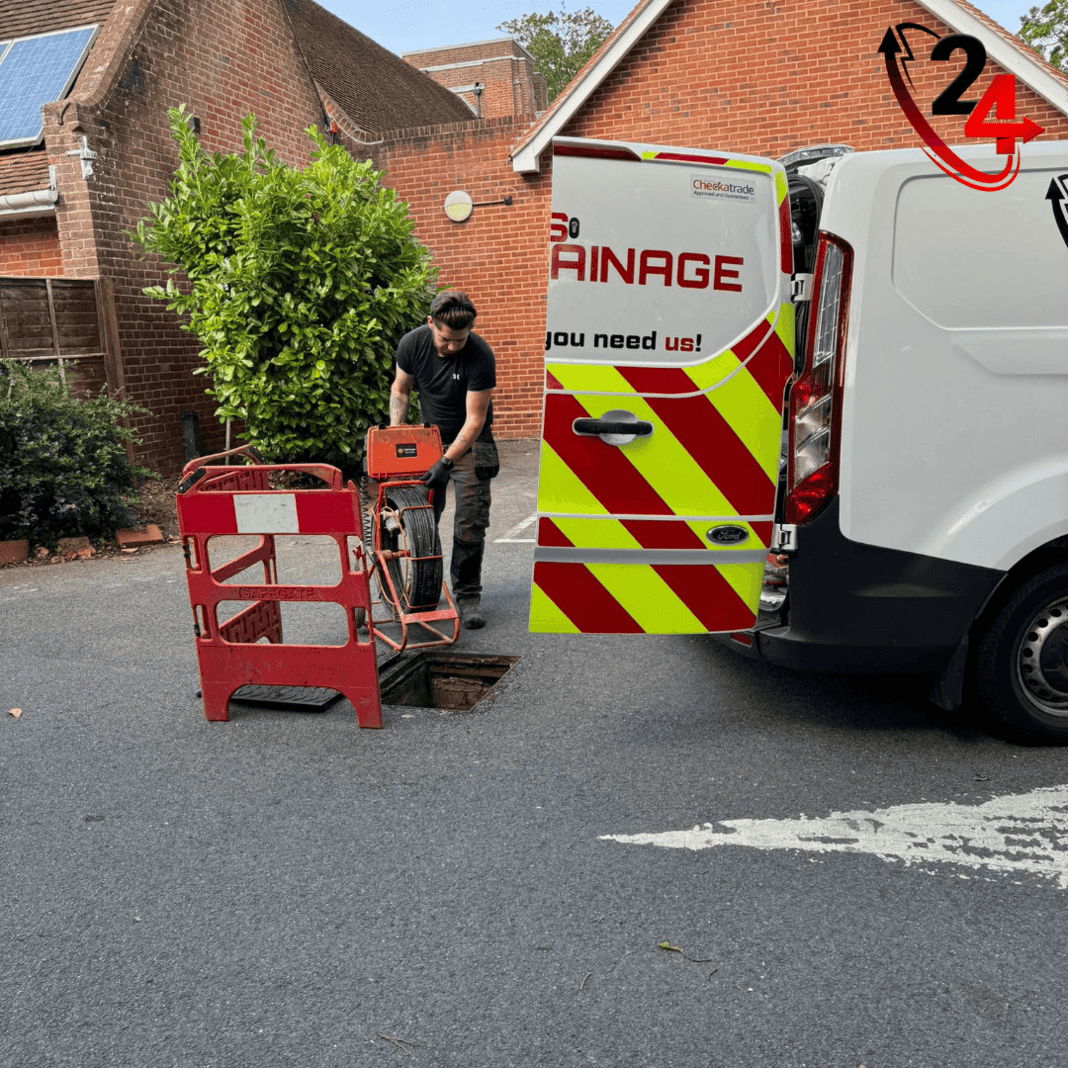
If you suspect a serious drain problem, contact our team for expert assessment and fast intervention. We handle emergencies with clear documentation and minimal disruption.
Get Emergency HelpThe One Thing That Matters: Why Decisiveness Outweighs Delay
Timing shapes the outcome long before the full damage is visible, which means that the most valuable advantage in any drainage emergency is not technical knowledge but decisiveness. Property owners, risk managers, and operational leads usually gain the most control at the earliest clear sign that a drain problem has moved beyond routine annoyance, because hesitation is what turns uncertainty into exposure.
