
Who is responsible for drainage in Reading schools and academies?
Responsibility depends on the school’s status and the pipe affected. We treat drainage in Reading schools as a safety and evidence issue first, because the school may need to act before the council, academy trust, landowner or Thames Water position is settled. Pipe ownership then decides whether the asset is private or part of the public sewer network.
A blocked drain in a school creates two separate questions. One question is who must act now to keep pupils, staff and visitors safe. Another question is who owns or funds the repair once the cause and pipe route are clear.
That distinction matters because the wrong assumption wastes time. Some drainage problems sit within school estate responsibility. Some involve an academy trust, local authority, landowner or utility. If toilets, kitchens, gullies or playground drainage are affected during the school day, we start with safe access and evidence so the site can make a controlled decision.
Thames Water is responsible for public sewers and public lateral drains in its region, and private drains remain the landowner’s responsibility. Where a school drainage overflow causes flooding or contamination, Department for Education guidance says affected areas will need to be closed immediately.
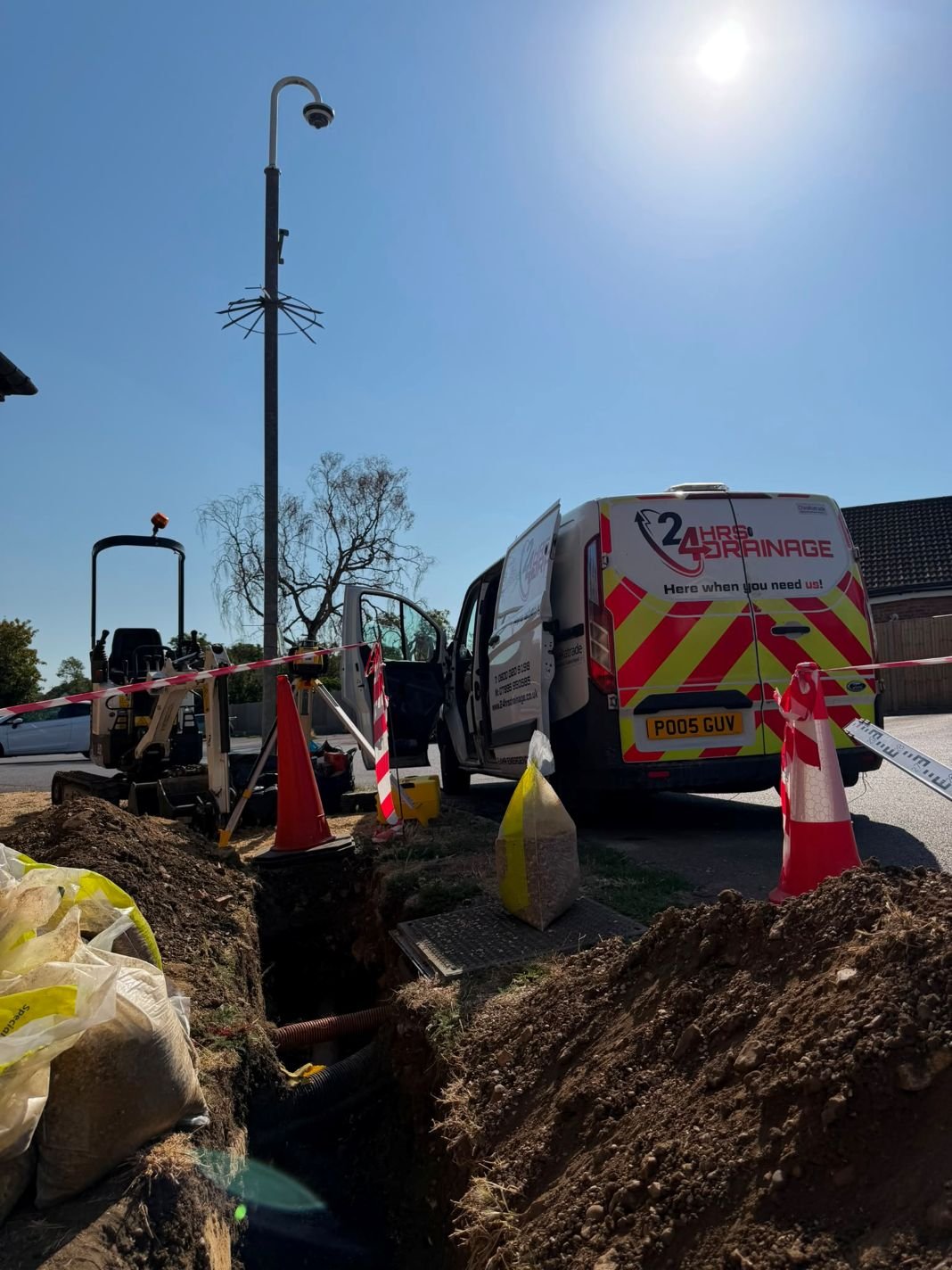
Responsibility turns on school type and pipe ownership
School governance tells you who carries health and safety responsibility, and pipe ownership tells you who may be responsible for the drain itself. We keep those two tests separate because school drainage responsibility in Reading can be wrongly pushed to the council or the water company before anyone has proved which pipe is involved.
Here is the practical split we look at first.
| Situation | Likely responsible party | What we would check |
|---|---|---|
| Academy or free school | The academy trust carries employer responsibility for health and safety purposes, according to the Department for Education | Trust estate documents, site boundaries and whether the affected pipe is private or public |
| Community, community special, voluntary-controlled, maintained nursery school or pupil referral unit | The local authority is listed as employer for health and safety purposes by the Department for Education | Whether repairs and maintenance funding has been delegated to the school, and whether the issue is capital expenditure |
| Maintained school in Reading | Reading Borough Council delegates repairs and maintenance funding to schools, except capital expenditure as defined by the Chartered Institute of Public Finance and Accountancy Code of Practice on local authority accounting | Whether the issue is routine repair, maintenance or a wider capital item |
| Voluntary-aided school in Reading | Local authority liability for repairs and maintenance is treated in line with other maintained schools, but the governing body retains listed premises responsibilities | Whether the drainage issue connects to buildings, playgrounds, fixtures or services that sit with the governing body |
| Public sewer or public lateral drain | Thames Water may be responsible | Drain route, boundary position and whether the pipe serves wider public drainage |
| Private drain on school land | The landowner or responsible estate body is usually the starting point | Pipe ownership, lease terms and whether more than one property uses the drain |
Tables simplify the first decision, but they do not replace evidence. A blocked toilet stack inside one building and a failed pipe near a shared boundary can look like the same site problem at first, yet they point to different people once the pipe route is known.
For academy drainage repairs, we expect the trust estate lead to need clear information before committing budget. For maintained school drainage repairs, the school may still need to manage the operational risk even where a wider local authority question sits behind the funding decision.
Honest advice and free quotes across Reading, Berkshire and surrounding areas.
Get a Free QuoteTerm-time repairs are planned around safety first
Blocked school toilets at lunchtime, a kitchen drain backing up before service or standing water across a playground route all create the same pressure: the school has to keep operating safely without guessing. Term-time drain repairs work best when access, safeguarding and reporting are agreed before the drainage team starts work.
At 24hrs Drainage, we look at access, safety and evidence together because a fast unblock alone does not answer every school estates question. The Health and Safety at Work etc Act 1974 gives employers overall responsibility for health and safety in education workplaces, including employees, pupils and visitors, and that duty shapes how work is controlled on site.
Practical controls usually matter more than broad promises of “minimal disruption”. We focus on the parts that affect the school day:
- Safe access routes. Engineers need a route that avoids pupil movement where possible and does not create a new risk around the affected area.
- Safeguarding arrangements must fit the school’s rules for contractors on site.
- Temporary closure of affected areas. If flooding or contamination is present, the area cannot stay in use just because the repair is underway.
- Timing can be adjusted where appropriate, including out-of-hours attendance for work that would interfere with normal site use.
- Reporting needs to be clear enough for the site team, senior leaders and any trust or local authority contact who needs the facts later.
School Premises (England) Regulations 2012 and Workplace (Health, Safety and Welfare) Regulations 1992 sit in the background here, but you do not need a legal lecture during a live blockage. You need the unsafe area controlled, the route of the problem identified and the school day protected where that remains possible.
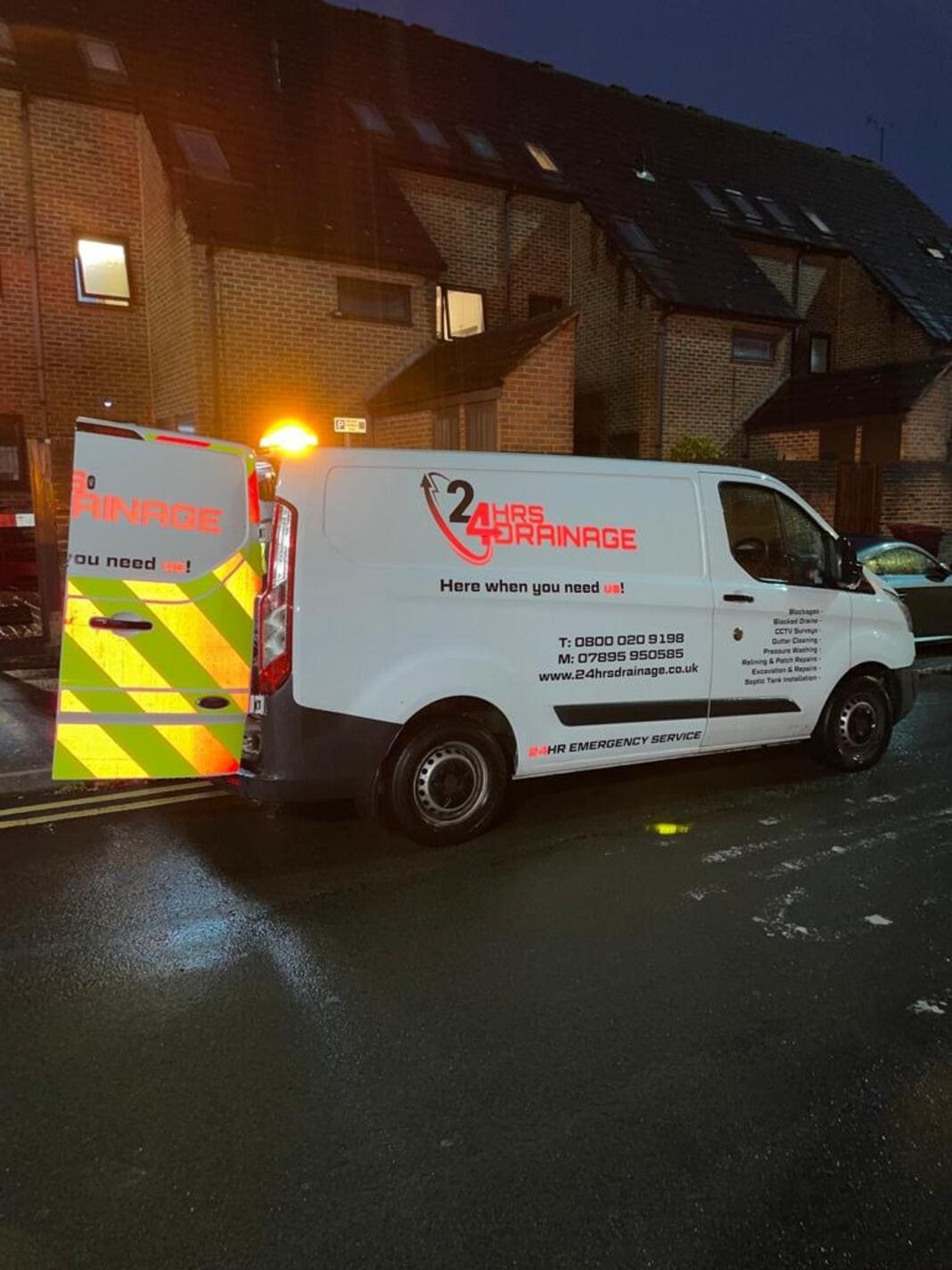
Keep one written record that names the affected area, the drain route and the repair recommendation. That record helps when the academy trust, local authority or insurer needs the same facts later.

CCTV evidence settles unclear responsibility
Several people can need an answer after a school drain blocks: the site manager, headteacher, academy trust, insurer, local authority contact or Thames Water. A cleared blockage gets the site moving again, but a record of the cause helps decide who owns the next action.
A closed-circuit television drain survey, usually called a CCTV drain survey, is useful when the route, cause or ownership of the drain is unclear. We use it as a decision tool, because a school with repeat blockages or suspected damage needs more than a verbal view from site.
Evidence for estates, insurers and trusts
School drainage evidence should give the right people a common set of facts. A report can show the drain route, where the problem sits and whether the issue appears to be a blockage, damage or a wider defect.
For an academy trust, that record supports estate decisions across a wider property portfolio. For a maintained school, it can help with finance discussions where the boundary between repair, maintenance and capital expenditure matters. Insurers may also ask for evidence before considering a drainage claim, so a clean report saves the school from retelling the same problem in different ways.
We keep the technical explanation light because the report has a practical job. It needs to show what was found and what repair decision follows.
Evidence for shared drains and sewer responsibility
Shared drainage is where assumptions fail fastest. A pipe that serves more than one property, crosses a boundary or joins a wider network can move the discussion from school estate responsibility to utility involvement.
When a CCTV drain survey shows that the affected section is a private drain, the responsible estate body has a clearer basis for arranging repair. When the evidence points to a public sewer or public lateral drain, Thames Water may need to be involved. That record helps stop the circular emails that start with “Is this ours?” and end with no one authorising the work.
24hrs Drainage treats the survey record and the reactive drainage repair as connected decisions, because the school needs function restored and responsibility clarified in the same incident.
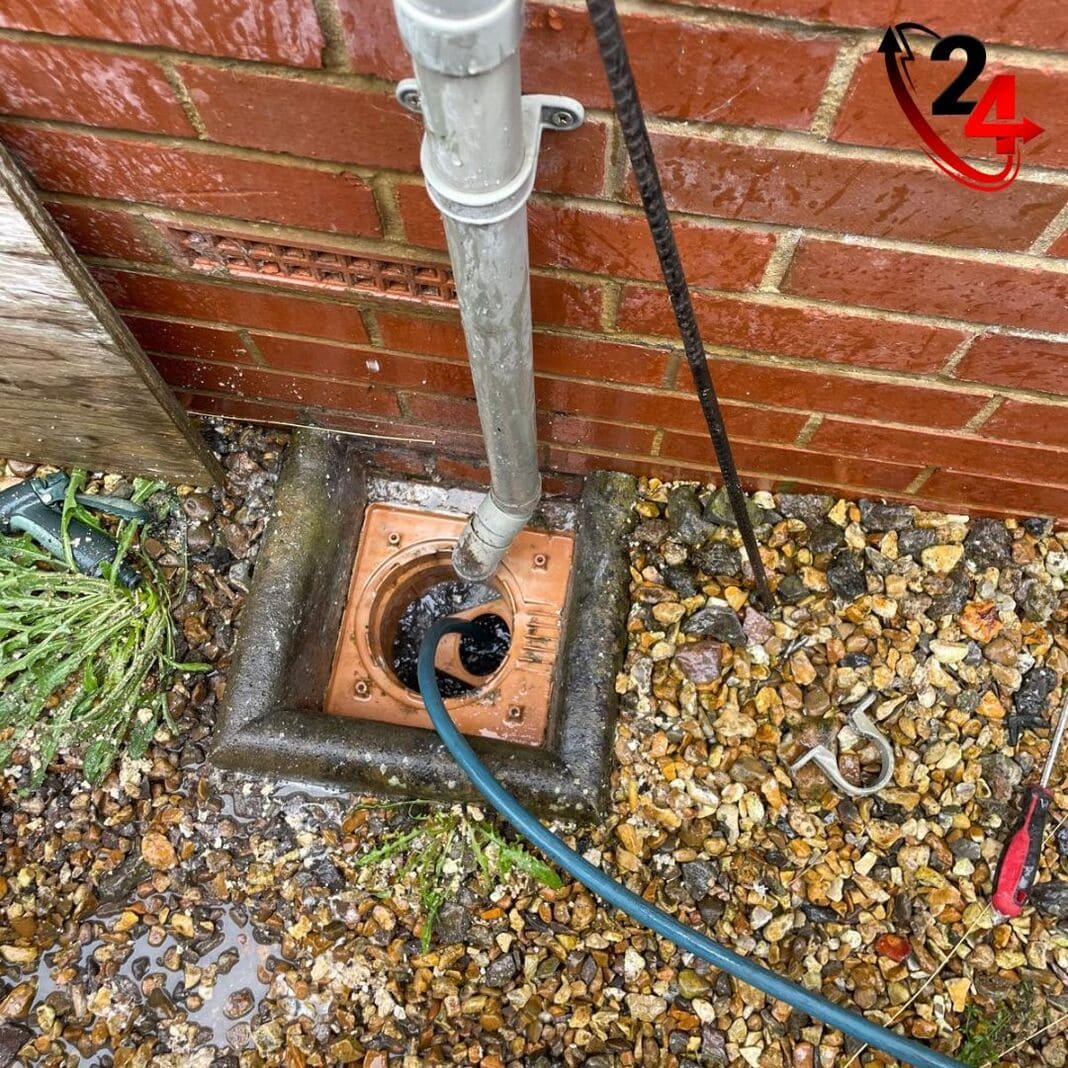
Thames Water has a narrow role
In Reading and Berkshire, Thames Water is the sewerage undertaker for the public sewer network, but it is not responsible for every drain on school land. The useful question is whether the affected pipe is a public sewer, a public lateral drain or a private drain.
A public sewer serves the wider network. A public lateral drain is the section that carries wastewater away from a property boundary into that public system. A private drain sits with the landowner or estate body until it reaches the point where public responsibility begins.
Building close to a public sewer or public lateral drain can also bring Thames Water into the discussion, although construction approvals are separate from an urgent blockage response. For a live school drainage problem, the priority is to identify the asset affected and support the right escalation with evidence.
That is why a drainage report is often more useful than an assumption based on location alone.
Treat flooding or contamination as an immediate site issue before any funding discussion. Responsibility can be confirmed after the area is made safe and the evidence is clear.
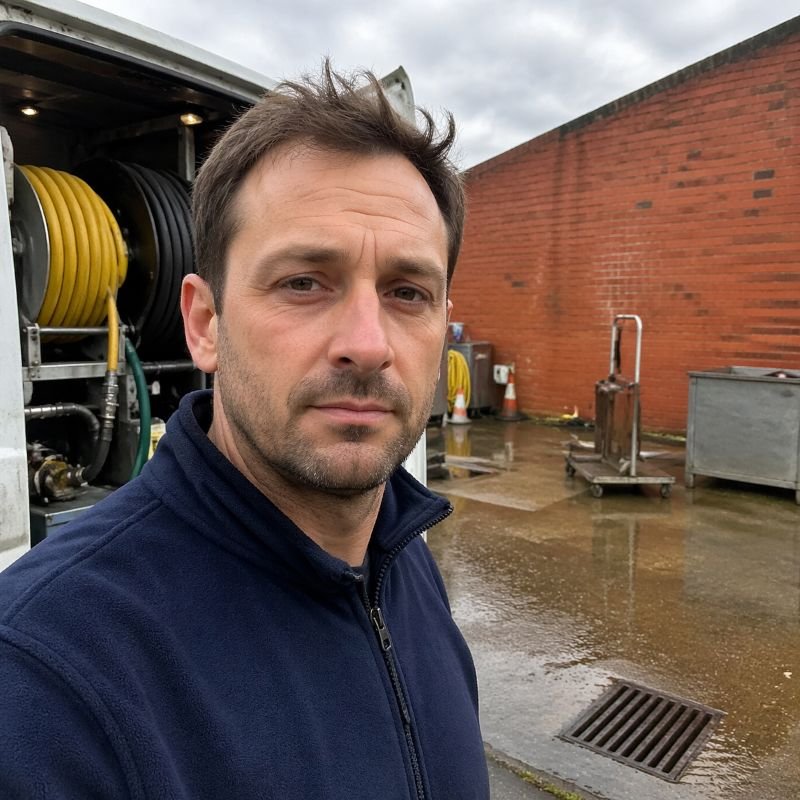
Clear records will matter more
School estates decisions are becoming more evidence-led because the people funding, approving or insuring work need a record they can act on. Over the next 12 to 24 months, that record will matter more for academy estates drainage, maintained school funding discussions and utility escalation across Reading and the Thames Valley.
Reactive drainage repair will still start with restoring safe use where possible. Planned preventive maintenance will carry more weight when schools can use drainage history to show repeat incidents, asset condition and repair decisions over time. A blocked drain that leaves no record becomes harder to explain the second time it happens.
The stronger approach is to treat drainage response as an operational decision with an audit trail. That gives schools a firmer basis for term-time planning, trust reporting and responsibility discussions when the next drainage issue tests the site.
Whatever the problem — blocked, cracked, slow or smelly — we'll diagnose it properly.
Book an EngineerQuestions we get asked about drainage in schools and academies
Is a drain on school land always the school’s responsibility?
No. A drain on school land can still connect to a public sewer or public lateral drain, so pipe ownership has to be checked before responsibility is settled.
Who pays if blocked school toilets stop part of the site being used?
Payment depends on the school type, estate documents and the pipe affected. The immediate priority is to make the area safe and gather evidence so the right responsible party can make the repair decision.
Does every school blockage need a CCTV drain survey?
No. We usually reserve a CCTV drain survey for unclear responsibility, repeat blockages, suspected damage, insurance evidence or a possible public sewer connection.
Can drainage work happen outside the school day?
Yes, out-of-hours attendance can be appropriate where access, safeguarding or site use makes daytime work difficult. Some urgent issues still need immediate control during the school day if flooding or contamination is present.
What should a school keep after a drainage repair?
A school should keep a clear record of the affected area, the drain route, the cause found and the repair recommendation. That record helps estates teams, academy trusts, local authorities, insurers and Thames Water deal with any follow-up.
This is general information, not professional advice.
