
Who is responsible for a shared private pumping station?
Responsibility sits with the sewerage company if the pumping station has been formally transferred or adopted. If it remains private, responsibility usually falls to the developer, owner, freeholder, management company or homeowners who benefit from it. Shared use matters, although adoption status and documents decide the answer.
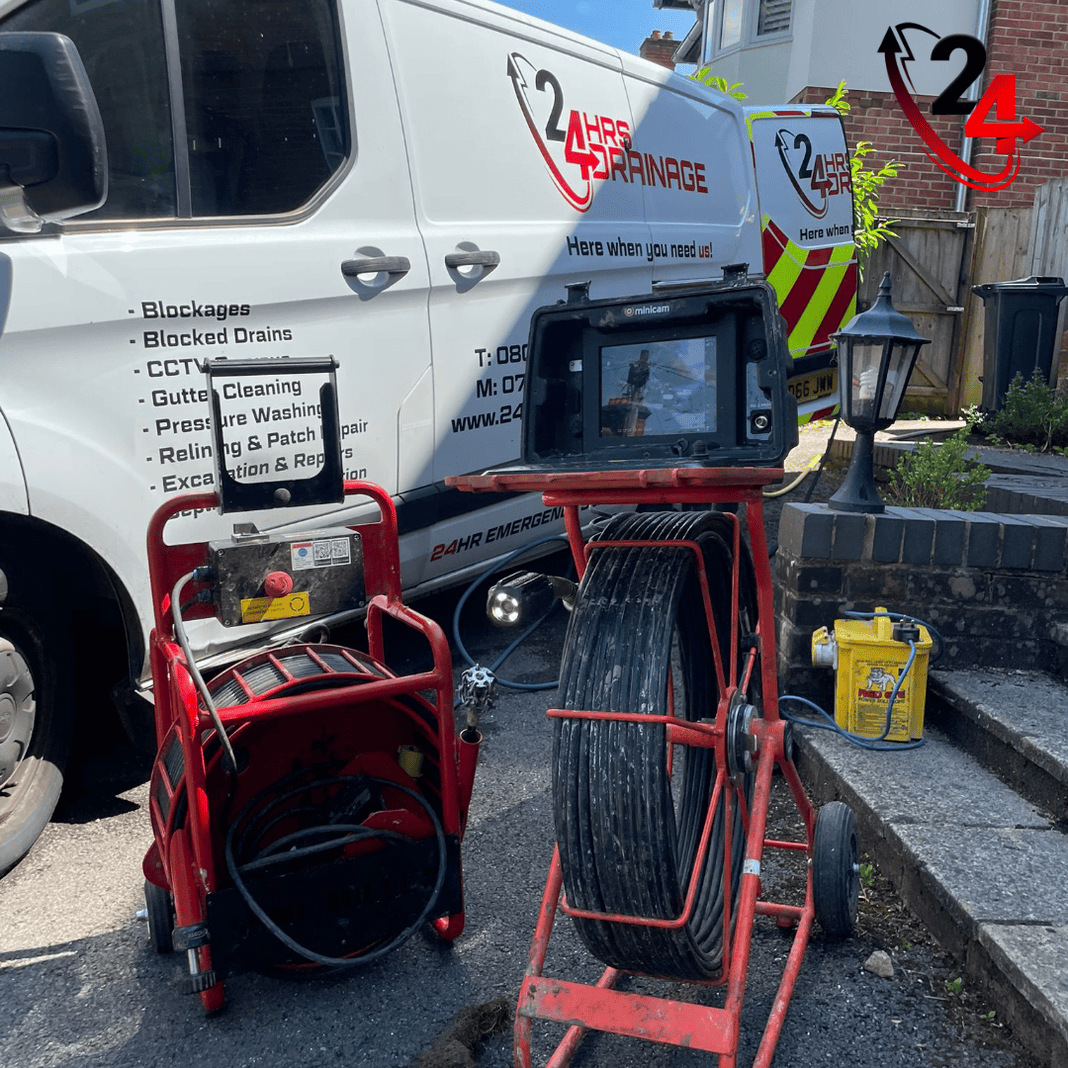
Shared use does not settle ownership
A shared private pumping station is a pump chamber and related equipment that moves sewage from several homes to a higher or more distant sewer connection. Its job is practical, but responsibility for it is legal and documentary. We start with ownership status because the pump’s location, the last repair invoice and neighbour opinion do not settle liability.
Several homes on a small estate might drain into one pumping station near the entrance road. If that station has been adopted, the sewerage company is likely to deal with it as part of its network. If no adoption took place, the answer returns to the estate documents, title deeds, transfer papers or management arrangements.
Drains, sewers and pumping stations also need to be kept separate. A pipe serving one property, a shared sewer and a pump serving several homes can sit in the same physical system, yet have different responsibility lines. Payment history helps explain what has happened before, but the first real question is whether the pumping station is recorded as an adopted asset.
Honest advice and free quotes across Reading, Berkshire and surrounding areas.
Get a Free QuoteAdoption status decides many shared pumping station disputes
For Reading, Berkshire and Thames Valley properties, Thames Water is usually the sewerage company context for adoption questions. We look at whether the pumping station forms part of the public sewerage network, whether it was caught by the historic transfer rules, or whether it remains a private estate asset waiting for formal adoption.
Ofwat says private sewers and lateral drains connected to the public sewer before 1 July 2011 transferred on 1 October 2011, and private pumping stations covered by the transfer arrangements were transferred by 1 October 2016. That point is useful, but it does not mean every shared sewage pumping station is now water company owned.
A compact way to separate the main situations is this:
| Situation | Likely responsibility | What confirms it |
|---|---|---|
| Older shared pumping station already transferred or adopted | Sewerage company | Sewerage company asset record or public sewer map |
| Older shared pumping station eligible but not identified | Current owner or benefiting parties until adoption is confirmed | Sewerage company response, title documents and adoption records |
| New development pumping station not yet adopted | Developer, owner, management company or residents under the estate documents | Section 104 adoption agreement and management documents |
| Existing private asset put forward for adoption | Private party until the sewerage company completes adoption | Section 102 adoption process records |
| Single-property private pumping station | The property owner, unless documents say otherwise | Title documents and drainage layout evidence |
Thames Water says the party constructing a new sewer or pumping station is responsible for construction and maintenance costs until adoption under a Section 104 agreement. This is a formal route under the Water Industry Act 1991. Existing private sewers or pumping stations can also be put forward under a Section 102 adoption process if they have been operating for at least 12 months, subject to adoption checks and any works needed to bring the asset up to the required standard.
At 24hrs Drainage, we see adoption questions overlap with estate charges, sale enquiries and shared drainage faults across Berkshire. Our role is to clarify the physical facts, such as what connects where, what has failed and whether the drainage layout matches the paperwork.
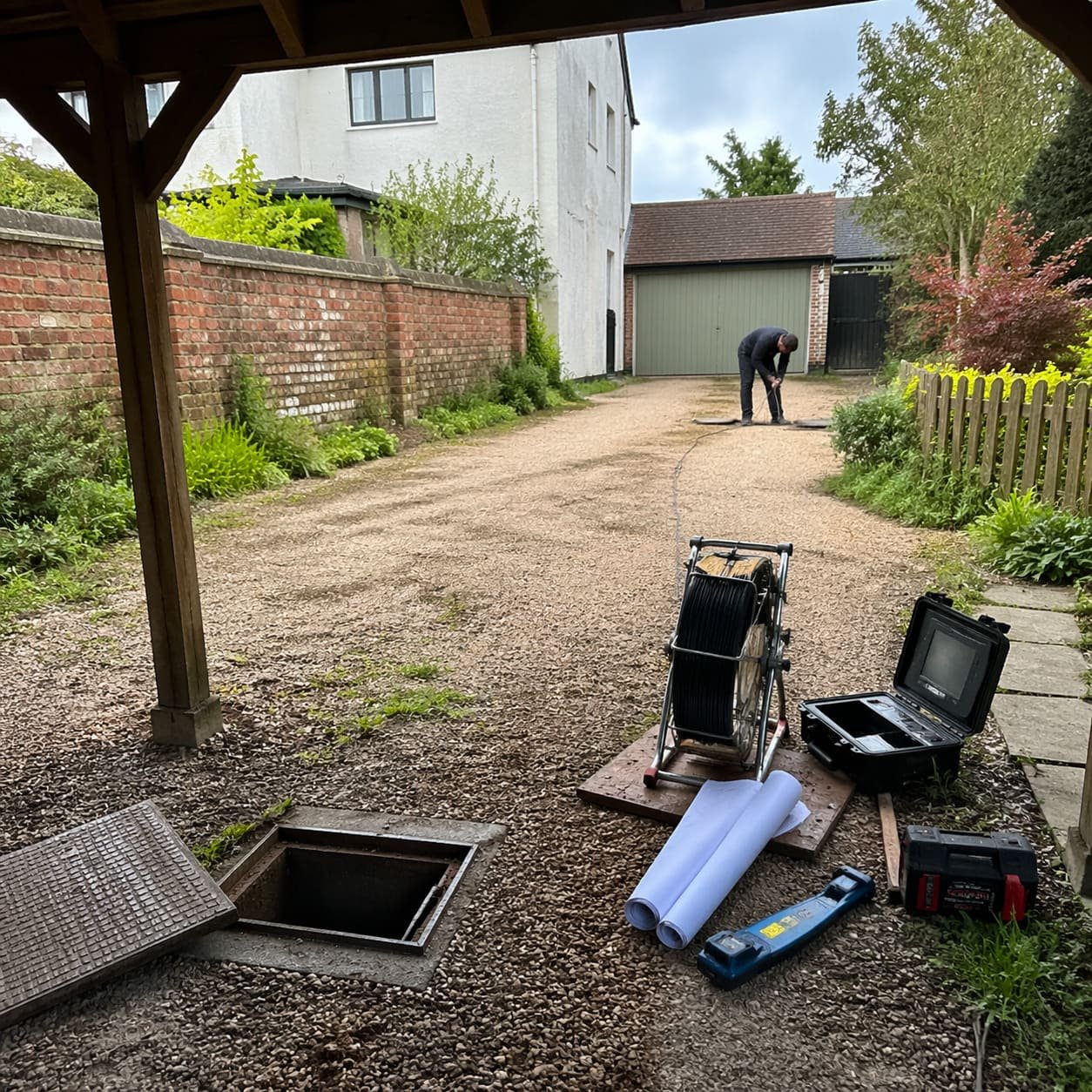
A management company should keep adoption records and maintenance papers together for any shared pumping station. That file often saves time when a sale, charge query or fault arises.

Ownership proof comes from records, documents and physical evidence
A sale can stall because a buyer’s solicitor asks who maintains the pump. A neighbour dispute can start after a failure because one household believes the estate charge covers it and another believes Thames Water adopted it. We would not treat either view as proof until the records have been checked in the right order.
The evidence order we use is simple:
- Sewerage company asset record or public sewer map. This is often the clearest starting point because it shows whether the pumping station is treated as part of the public sewerage network.
- Title deeds and transfer documents. These may show ownership, rights of access, maintenance duties or shared cost arrangements affecting the homes that use the pumping station.
- Section 104 or Section 102 adoption paperwork. If adoption is claimed, pending or disputed, the formal adoption papers matter more than verbal assurances from a seller or neighbour.
- Management company documents. A Resident Management Company or Estate Management Company may hold service charge records, management packs and maintenance responsibilities for shared estate assets.
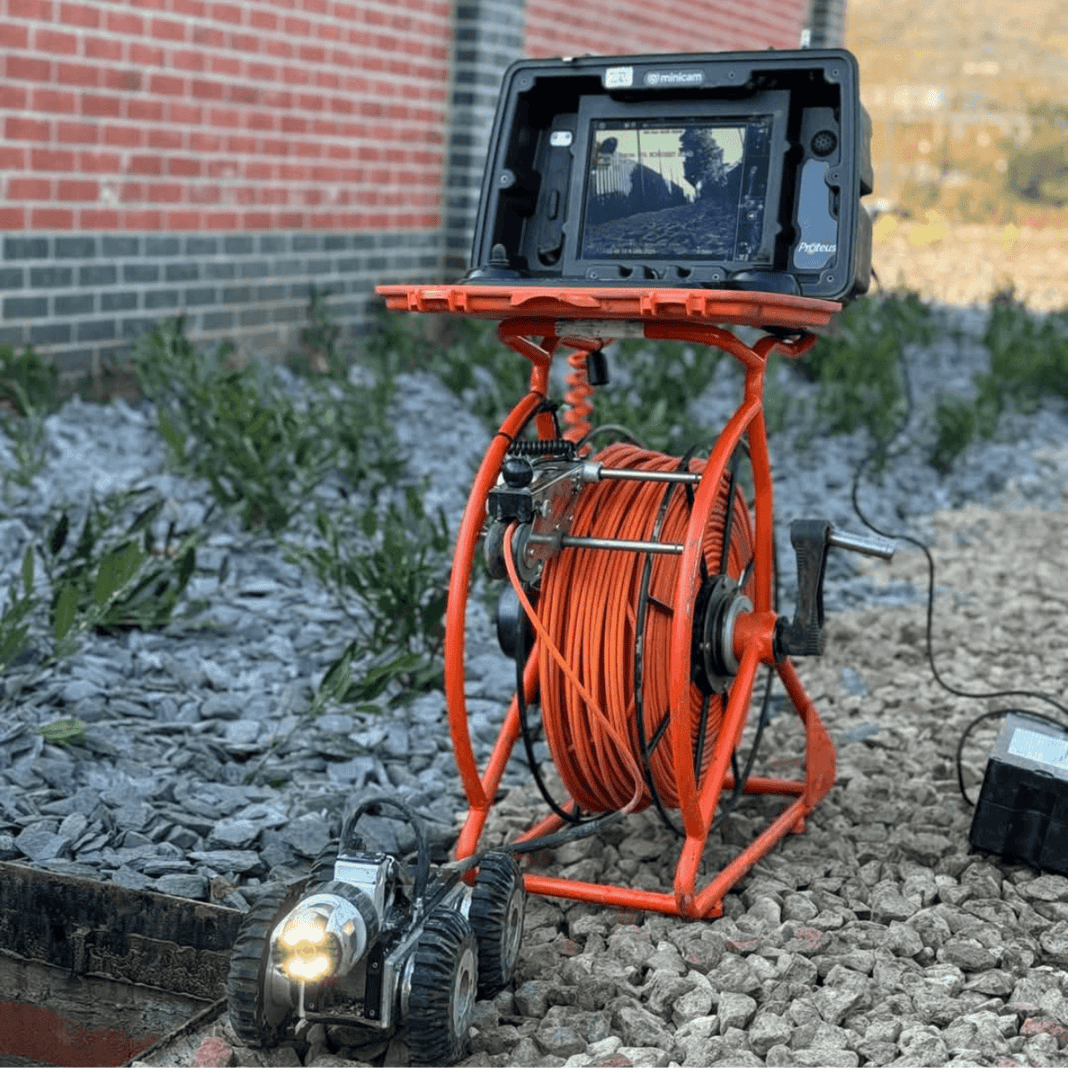
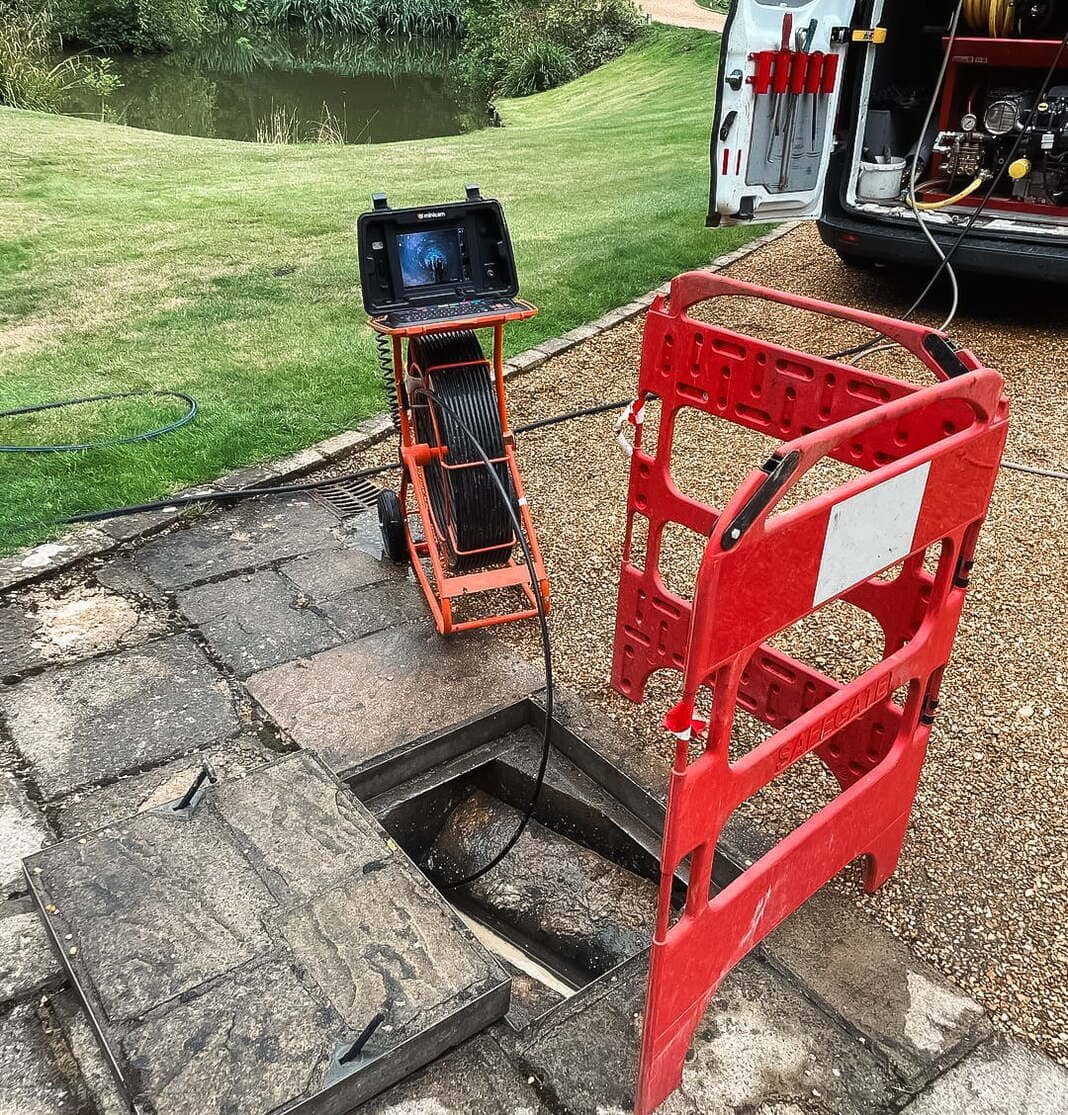
- Drainage survey evidence. A closed-circuit television drain survey, usually called a CCTV drain survey, can show the drainage layout, connection points, defects and the likely boundary between private and adopted assets.
Survey evidence has a clear role, but it has limits. A CCTV drain survey does not prove legal ownership by itself. It gives solicitors, insurers, management companies and sewerage companies better technical evidence to work from, especially where the visible chamber, pipe route or connection point does not match what the documents suggest.
Private responsibility follows the documents, not the loudest argument
When adoption cannot be confirmed, the payer is usually found through the title documents, transfer documents, lease, freehold structure, management arrangement or estate charge terms. The person who complains first does not become responsible. The documents and asset status carry the answer.
On newer private estates, a pumping station may sit within a wider set of privately managed amenities. The Ministry of Housing, Communities and Local Government describes unadopted privately managed estates as developments where communal amenities are managed and funded privately by homeowners and residents, and those amenities can include sewers, pumping stations and drains.
For a buyer, that matters because unclear pumping station responsibility can affect conveyancing questions, mortgage discussions and future estate charges. For a landlord, freeholder or resident director, it matters because a failed pump can create an urgent practical problem before the final responsibility position is fully agreed.
We do not guess repair, replacement or maintenance costs from the fact that a pump is shared. Site access, defect type, ownership boundary and the actual condition of the connected drainage all need evidence before anyone relies on a figure.
A CCTV drain survey is useful when the layout and the paperwork do not match. It gives decision-makers a technical record that can support solicitors, insurers and asset owners.
Clear responsibility changes the problem from argument to action
Once adoption status, legal responsibility and drainage layout are separated, the same situation becomes easier to deal with. The sewerage company can answer the asset question. The solicitor or management company can deal with documents. A drainage specialist can define the physical system and the fault without claiming to decide legal liability.
That distinction is useful when a pumping station failure is affecting homes, a sale, an insurer query or an estate management decision. Evidence does not remove every disagreement, but it stops the same argument being repeated with no new facts. Across Reading, Berkshire and the Thames Valley, 24hrs Drainage works in that practical space: locating faults, recording drainage layouts and giving decision-makers a clearer technical basis for what happens next.
A shared pumping station stops being a vague liability once you know three things: whether it is adopted, which documents allocate responsibility, and what the drainage evidence shows about the asset and the defect.
Whatever the problem — blocked, cracked, slow or smelly — we'll diagnose it properly.
Book an EngineerQuestions we get asked about shared private pumping stations
Can a CCTV drain survey prove who owns a shared pumping station?
A CCTV drain survey can show the drainage layout, defects and connection points, but it does not prove legal ownership on its own. Ownership normally comes from sewerage company records, title documents, adoption paperwork or legal advice.
Does the pumping station’s location decide who is responsible?
Location helps identify the asset, but it does not decide responsibility by itself. A pump on private land may still be adopted, and a pump serving several homes may remain private if no adoption has been completed.
Can a management company make residents pay for a sewage pumping station?
A management company may recover costs if the estate documents give it that role and the pumping station remains a private shared asset. The exact answer depends on the title, transfer, lease or management documents for the estate.
What if Thames Water has no record of the pumping station?
No record does not settle the matter on its own. The next checks are the property documents, any adoption paperwork and technical drainage evidence that shows how the homes connect to the pumping station.
Should a buyer be concerned about an unadopted pumping station?
A buyer should treat an unadopted pumping station as a point to clarify before exchange. The key issues are who maintains it, who pays for faults and whether the management documents explain those duties clearly.
This is general information, not professional advice.
