
Why does summer often make tree root damage in drains worse?
Summer often makes root damage in drains worse because dry soil pushes roots to seek moisture, and small weaknesses in pipes become attractive entry points. Even when the surface looks calm, underground pressure can build quietly, which means that visible symptoms often arrive later than the actual damage.
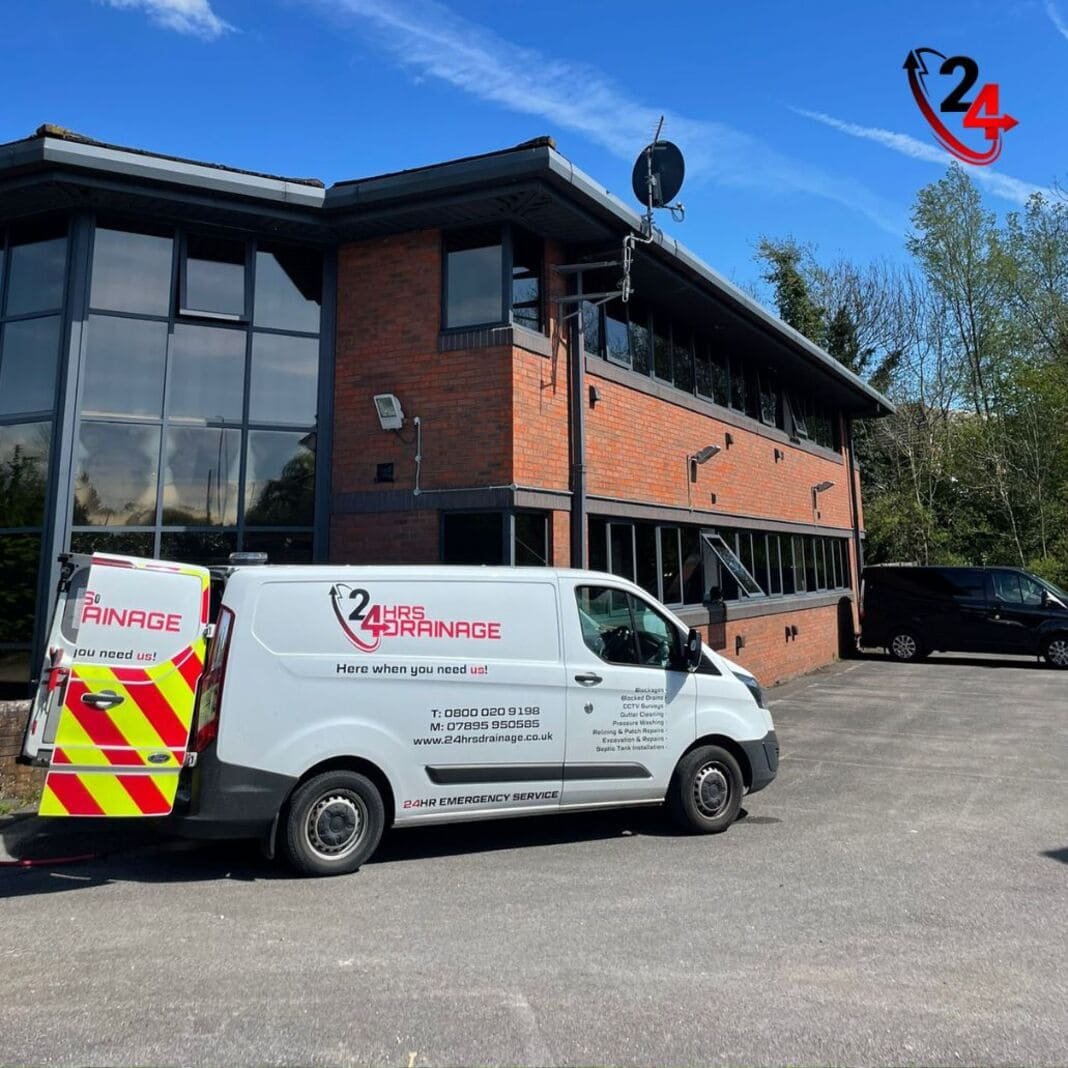
The Calm Surface vs. What’s Happening Underground
A quiet garden can hide a busy problem below ground.
Summer often gives drains an appearance of stability. Heavy rain is less frequent, surface flooding may be absent, and everyday use can seem normal. Beneath that calm, root systems can keep moving through soil and into unnoticed breaches.
Small cracks, worn joints, and older pipe connections can sit undisturbed for months. Once roots find moisture inside a drain line, growth follows the path of least resistance. By the time property management teams, local councils, or water utilities see a blockage or collapse, the underground pipe risk may already be well established.
Honest advice and free quotes across Reading, Berkshire and surrounding areas.
Get a Free QuoteThe Dry Spell Advantage vs. The Root’s Opportunity
Think of dry ground as a landscape with fewer obvious water sources. A drain with even a slight weakness can become one of the most attractive places for roots to head.
Dry spells change the balance underground. People may read a run of warm weather as a break from winter drain problems, yet roots respond differently. As soil moisture drops, fine roots extend further in search of water, and pipe joints or hairline defects can become infiltration pathways.
Guidance from bodies such as the UK Met Office and the Environment Agency often shapes how people think about dry weather above ground. Drainage engineers, by contrast, tend to view long dry periods as a time when hidden weaknesses can become more exposed to root ingress. Summer drain issues often begin with that simple mismatch: people welcome the dryness, while roots treat it as a prompt to move.
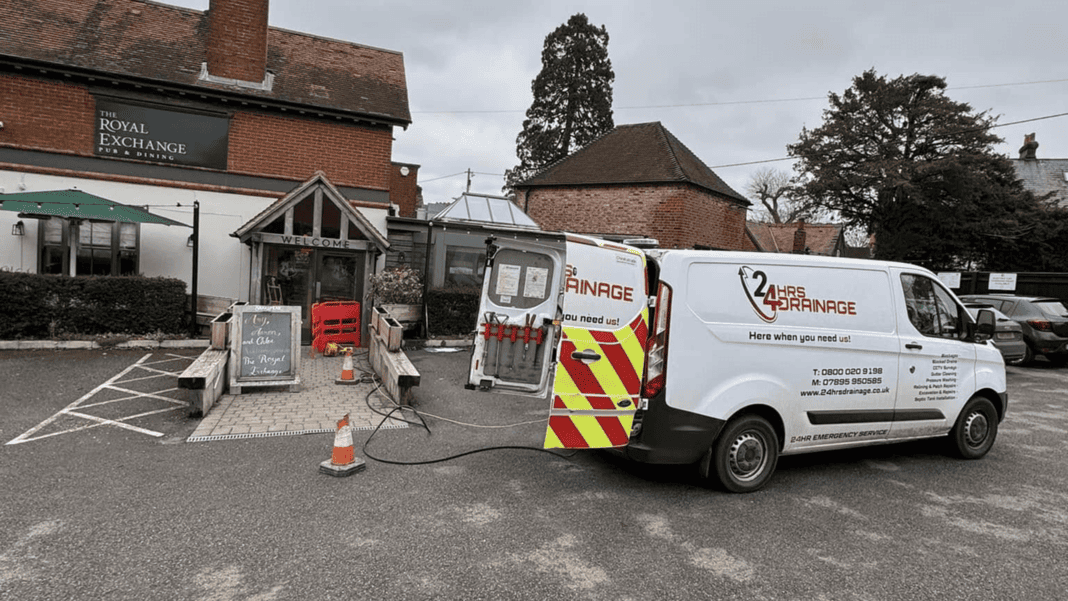
Keep detailed records of past drainage repairs and surveys, as these can help speed up insurance claims or property transactions if problems occur.

Repairs Deferred vs. Escalating Liability
Waiting can feel sensible if the drain is still functioning. In practice, that apparent saving can become expensive once the issue reaches a sale, a claim, or a compliance check.
- A minor root intrusion can turn into a larger repair if pipe movement or cracking continues.
- A property sale can slow down if a drainage survey raises unresolved defects.
- An insurance claim may become harder to manage if damage appears longstanding rather than sudden.
- Commercial premises can face disruption where drainage faults affect access, hygiene, or operational continuity.
Conveyancers and drainage surveyors tend to focus on evidence, timing, and condition. Property insurers do the same from a different angle. If records suggest that a known issue was left to worsen, the discussion can shift from repair cost to drainage liability, documentation, and whether the property owner acted reasonably.
Late summer can be especially awkward. A problem that seemed manageable in July can become a sticking point by early autumn if building regulations, transaction deadlines, or site use start to bring the condition of the drains into sharper focus.
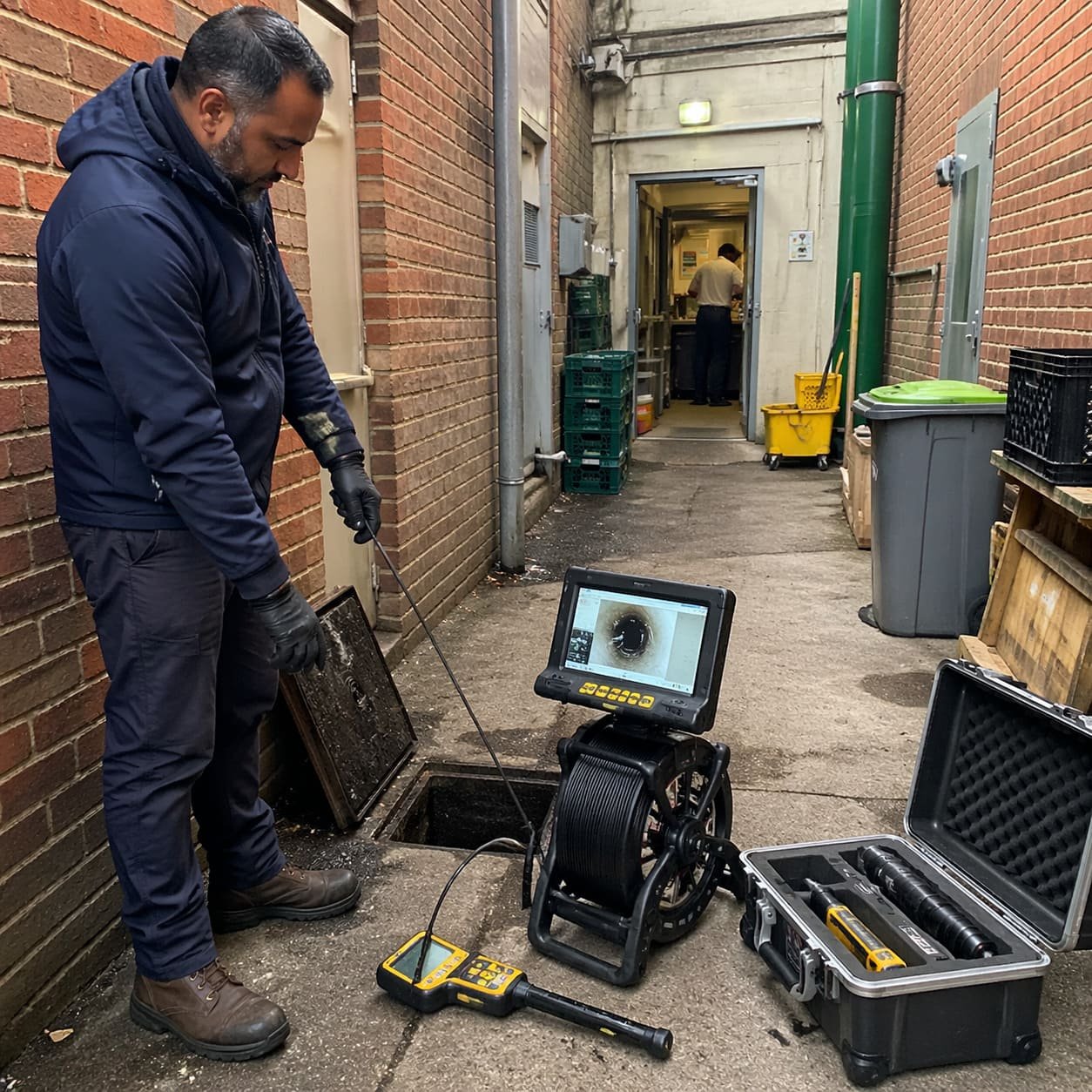
Surface Symptoms Delayed vs. Damage Already Done
Visible trouble usually arrives late.
Root intrusion does not always announce itself early. A pipe can suffer gradual internal obstruction or structural stress long before wastewater backs up or drainage slows enough to attract attention. Hidden drain damage often develops on its own timeline.
Consider a property where everything appears normal during a dry spell. No surface pooling appears, no obvious odour is present, and day to day use continues. Inside the pipe, though, roots may already be thickening around a joint, catching debris, and widening an unseen crack.
Drainage contractors and property management companies regularly deal with this lag between cause and effect. By the time symptoms become clear, the conversation may no longer be about a simple blockage. It may be about a weakened section of pipe that has been under pressure for longer than anyone realised.
Urgency Perceived vs. Response Capacity
A drainage problem can sit quietly for weeks, then become urgent in a single afternoon if a business faces downtime or a compliance deadline suddenly tightens.
That shift catches people off guard. The risk has been building slowly, but the need for action feels immediate once toilets back up, access is restricted, or documentation is needed for a landlord, insurer, or local authority. In those moments, generic help is not always enough, particularly where the issue involves structural damage, evidence, or time-sensitive decisions.
In Reading and Berkshire, firms such as 24hrs Drainage are often brought in when the situation has already moved beyond inconvenience. Emergency drainage teams are dealing with more than a blocked pipe in those cases. They are dealing with continuity, liability, and whether the next few hours affect a tenant, a transaction, or a trading day.
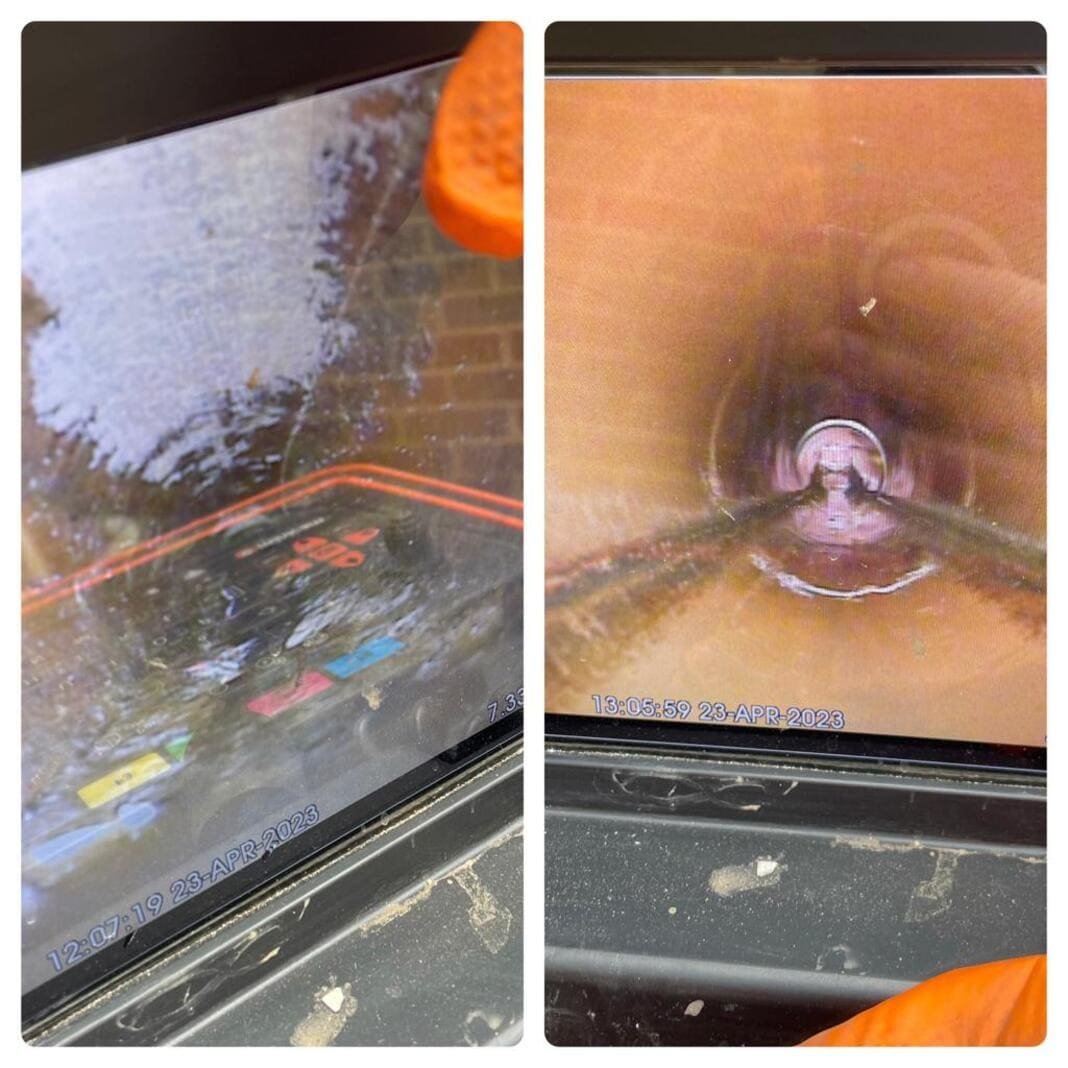
Whatever the problem — blocked, cracked, slow or smelly — we'll diagnose it properly.
Book an EngineerThe Real Question: Is Summer the Problem or Just the Revealer?
Summer is usually not the true cause of tree roots in drains. Summer reveals which drains were already vulnerable, which joints were already weak, and which structural problems had been waiting for the right conditions to show themselves. The better question is not whether warm weather creates the risk, but whether the drain was sound enough to cope with a season that exposes every existing weakness.
