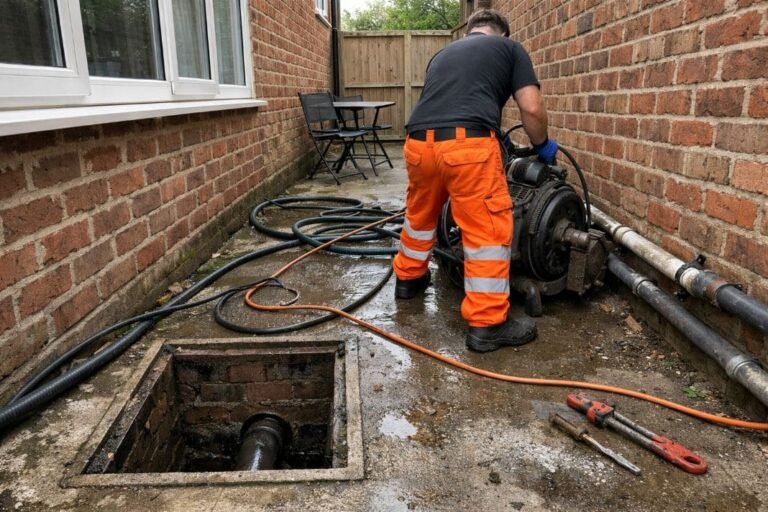
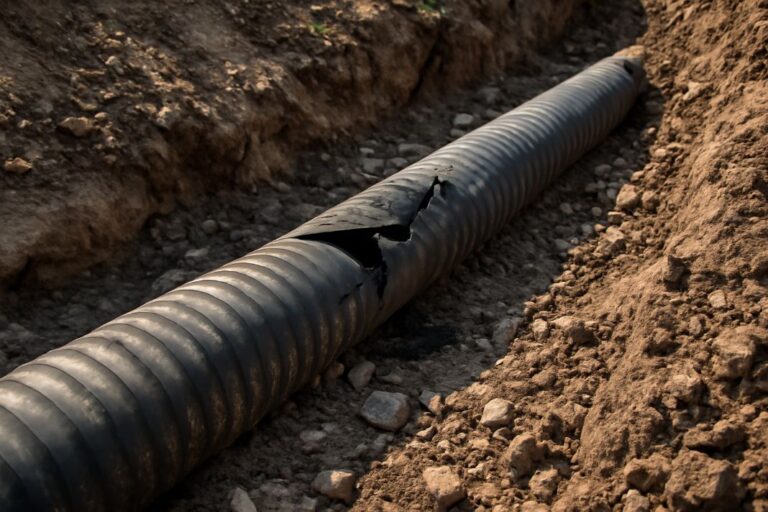
Do you need planning permission to replace or reroute drains on your property in Berkshire?

Do drain replacement or rerouting works in Berkshire need planning permission?

Sometimes, yes. Many drainage works on private property do not need planning permission, especially if they are straightforward repairs below ground, but permission can be required where the work changes the character of the site, affects a listed building, sits in a conservation area, or involves wider building works. Separate from planning, Building Regulations often still apply, which means that checking both issues before work starts is the safest approach.

Table of Contents

Pro Tip: Always keep copies of all approvals, drainage maps, and compliance certificates for future sales or insurance needs.

Understanding drain ownership and responsibility

Before anyone considers permissions, ownership has to be clear. A replacement or rerouting project can cross more than one legal boundary, and that is often where confusion starts.

In simple terms, a private drain serves only one property and usually sits within that property boundary. A public sewer serves more than one property, and responsibility commonly sits with the sewerage undertaker, which in Berkshire is often Thames Water. Shared drains and lateral drains can blur the picture because a pipe may begin on private land but still fall outside sole homeowner control.

  • Private drain: usually serves one property only
  • Lateral drain: runs outside the property boundary before joining a sewer
  • Public sewer: serves multiple properties and may already be adopted


Neighbour disputes often begin with an assumption that the Local Authority owns or manages every underground pipe. That is not how property drainage law usually works. The Water Industry Act 1991 sets the wider legal framework, but the practical question is narrower: who does this particular section serve, and where does it run?

A pipe serving your kitchen and bathroom alone may be your responsibility until it leaves the boundary. A shared line receiving waste from adjoining homes can trigger shared drainage responsibility, even if part of it sits beneath your land. Sewer adoption history matters too, especially on older plots or properties altered over time. During sales and boundary disagreements, that detail can become far more than an administrative point.

When Is Planning Permission Required for Drain Works?

Planning permission is not automatically required just because drains are being replaced or rerouted. The need for it depends on what is changing above ground, how extensive the alteration is, and whether the property has planning constraints.

Routine like-for-like repair below ground often falls outside planning control. A material alteration linked to larger development, a new extension, or a significant change in site layout can bring the works within the scope of the Local Planning Authority. Heritage settings also change the picture quickly.

  1. Planning permission is less likely for repair or replacement in the same position with no wider development impact.
  2. Planning permission is more likely if the rerouting forms part of an extension, affects trees or protected land, or alters the appearance or use of the site.
  3. Extra scrutiny is likely for listed buildings, conservation areas, and sites with heritage constraints.

A common misconception is that anything underground is exempt. That is not a safe assumption. If a drain is moved to accommodate new building work, if excavation affects protected features, or if external structures such as inspection chambers alter a sensitive setting, the Planning Portal guidance and the local planning team may both become relevant.

Listed properties need particular care. A drain route that appears minor on a modern estate can become a planning and listed building issue if the work affects historic fabric, curtilage, or protected surfaces. In those cases, a Conservation Officer may need to be involved before anything starts on site.

Book a Drainage Assessment

Gain confidence in your drainage works with a full site survey and compliance check from our experienced team.

Book Your Assessment

Building Regulations and Compliance for Drainage Alterations

Planning permission and Building Regulations are separate controls. A project may not need planning consent and still require Building Control approval or inspection.

Building Regulations 2010 cover drainage work where alterations affect foul water drainage, underground pipework, connections, ventilation, access, or structural integrity around the system. Berkshire property owners often run into trouble by assuming informal work below ground can be signed off later without difficulty.

  • Building Control may need to be notified before relevant drainage alterations begin.
  • Inspections may be required at stages when pipework is still visible.
  • Completion records or a compliance certificate may be needed for future sales, insurance, or dispute resolution.


Missing paperwork can become expensive at awkward moments. A buyer’s solicitor may ask for evidence that altered drains complied with the rules. An insurer assessing damage may also want proof that previous work was properly approved. Retrospective approval is sometimes possible, but it can involve delay, extra cost, and invasive checks after the fact.

Local Authority Building Control or Approved Inspectors may deal with compliance, depending on the arrangement for the wider project. What matters to the property owner is the outcome: a lawful, documented alteration that does not leave questions hanging over the building later.

Special Considerations for Commercial and High-Risk Properties

A blocked or damaged drain at a house is inconvenient. The same issue at a restaurant, care setting, industrial unit, or multi occupancy property can interrupt trading, affect health standards, or trigger lease disputes within hours.

Commercial drain works usually carry a wider circle of responsibility. Landlords, tenants, managing agents, insurers, Environmental Health officers, and Insurance Assessors may all have an interest in what is being altered and why. If a site has food production, public access, hazardous waste, or regulated discharge issues, the standard of scrutiny rises accordingly.

Where the risks increase

Business interruption sits near the top of the list. Rerouting drainage in the wrong place, or without clear records, can affect access, hygiene, waste handling, and reopening times after an incident. Insurance issues can follow if the extent of previous works is unclear.

Shared liability is another pressure point. In multi occupancy buildings, one section of drainage can serve several units under different leases. A tenant may report the fault, but the legal duty to authorise work may rest with a commercial landlord or freeholder. In that setting, decisions taken too quickly can create costs that later become disputed.

Health and safety obligations also shift the tone. Where standing wastewater, contamination risk, or confined work areas are involved, the Health and Safety Executive framework may become part of the conversation, especially on larger or more sensitive sites. A domestic assumption that the work is minor can look very different once a compliance audit begins.

Pro Tip: Verify the exact ownership and legal status of any drain before starting any work, especially on older or altered properties.

Get Expert Planning Guidance

Unsure if your project needs planning permission or Building Regulation approval? Arrange a consultation to clarify your next steps.

Speak to an Expert

Practical Steps Before Starting Drain Replacement or Rerouting

A little preparation can prevent a large amount of delay. The aim is not to overcomplicate the job, but to make sure the legal, technical, and documentary basics are in place before ground is broken.

  • Confirm whether the drain is private, shared, lateral, or part of a public sewer.
  • Check title plans, drainage maps, and any available records from Land Registry or Thames Water.
  • Review whether the works connect to an extension, a listed building, or a conservation area issue.
  • Confirm whether Building Control notification is needed.
  • Keep copies of approvals, plans, surveys, and completion records.
  • Notify neighbours or third parties where shared drains or boundary impacts are involved.


A site survey can be useful where records are old, incomplete, or inconsistent with what is on the ground. Some properties have drainage layouts that changed over time without clear documentation, and assumptions made at the start can unravel once excavation begins.

Documentation retention matters more than many owners expect. Years later, those records may support a sale, answer an insurance query, or settle a question about whether a line was moved lawfully or with the right consent.

Common Pitfalls and How to Avoid Them

Most drainage mistakes do not begin with bad intent. They begin with assumptions.

  1. Assuming the work is too minor to matter A reroute may look small on a sketch, but if it affects a shared line, supports a new extension, or changes access points, the regulatory position can change quickly.
  2. Overlooking who owns the pipe Drain ownership in Berkshire is not always obvious from location alone. A line under private land may still connect into a wider adopted system or serve neighbouring properties.
  3. Starting work without compliance records in mind Insurance Providers and future buyers tend to focus on evidence, not memory. If plans, approvals, and certificates are missing, the issue can resurface long after the trench is closed.
  4. Treating planning and Building Regulations as the same thing A property owner may hear that planning permission is unnecessary and assume that no further approval is needed. That leap causes a great deal of avoidable trouble.
  5. Ignoring the risk of enforcement or dispute Local Authority Enforcement action is not the most common outcome, but unauthorised works can still lead to remedial demands, neighbour complaints, or delay during a sale.


Some of these problems stay quiet for months or years. They often surface only when a property changes hands, a claim is made, or a fresh defect draws attention back to earlier work.

The Role of Professional Drainage Specialists in Complex Cases

Complex drainage jobs usually announce themselves by the number of people and risks involved. A shared sewer, an insurance claim, a listed property, or a business facing downtime all change the standard from ordinary repair to managed risk.

In those situations, drainage contractors bring value through technical assessment, evidence gathering, and clarity about what sits inside private control and what does not. Chartered Surveyors, insurers, and the Local Authority may all need reliable documentation rather than informal opinion.

Regional knowledge can also matter. Berkshire sites range from dense town plots to older rural properties with altered layouts, and local drainage history is not always straightforward. A specialist familiar with the area is more likely to recognise where drainage maps, property records, and site reality may not fully match.

For high pressure cases, firms such as 24hrs Drainage are often involved because the issue is already affecting a sale, a business operation, or an insurance position. The point is less about the mechanics of repair and more about getting the facts clear, the obligations identified, and the right evidence in place.

Moving Forward: Rethinking Drainage Works and Permissions in Berkshire

Drainage work can feel like administrative friction until something goes wrong. Seen properly, it is part of responsible property stewardship, alongside structural safety, access, and lawful alteration.

Getting the permissions and compliance position right does more than satisfy the Local Authority. It protects property value, reduces the chance of dispute, and leaves a usable record for the next owner, tenant, or assessor.

Three ideas are worth keeping in mind:

  1. Underground work is still property work, with legal and practical consequences.
  2. Planning permission and Building Regulations answer different questions.
  3. Shared systems deserve extra caution because responsibility can extend beyond one household or business.


Standards and expectations around drainage, records, and accountability are unlikely to become looser. Owners who treat drain replacement or rerouting as a matter of long term clarity, rather than short term inconvenience, usually put themselves in a stronger position later.

Request Drain Replacement Quote

Request a tailored quote for professional drain replacement or rerouting, handled by Berkshire local specialists.

Request My Quote

24hrs Drainage Limited

33 Falmouth Rd, Reading RG2 8QR

0800 020 9198

https://24hrsdrainage.co.uk/

Opening Hours:
Monday – Sunday : Open and available 24 hours per day