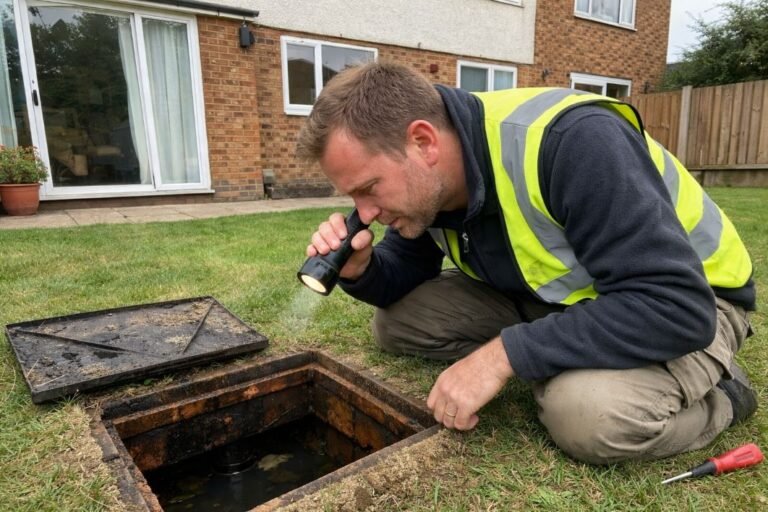
A standard house survey usually focuses on what can be seen without invasive inspection. Drains are mostly buried, so the surveyor may note general drainage arrangements or visible concerns, but they often cannot identify pipe material or condition unless there is clear evidence above ground. That is why pitch fibre drains can stay unnoticed during a property purchase unless a separate drain survey is carried out.
Pro Tip: Ask your conveyancing solicitor to review drainage paperwork carefully if the property was built or altered in the 1960s or 1970s.
Pitch fibre pipes are a type of drainage pipe made from wood cellulose fibres bound with coal tar pitch. They were used in the UK in the post-war period and appeared in many properties built or altered during the 1960s and 1970s. To a buyer, they matter because they can look unremarkable from the surface while carrying a higher chance of age-related deterioration underground.
A simple way to think about them is this: they were once a practical product for their time, but they do not always age as predictably as clay or more modern plastic drainage materials. Over time, some pitch fibre pipes can soften, deform, blister internally, or lose their original shape. Once that happens, flow can be restricted and structural integrity can become a concern.
A few key facts place them in context:
Most buyers have never heard of pitch fibre pipes because property viewing, mortgage lending, and even routine survey discussions tend to focus on roofs, damp, electrics, and visible fabric. Drainage issues in older homes often sit outside everyday homebuying knowledge. RICS survey standards and ordinary property survey drainage commentary do not usually extend to confirming underground pipe materials unless the surveyor has specific reason and access to investigate further.
That gap matters in practical terms. Hidden drain problems can affect repair costs, timing in a sale, future resale confidence, and occasionally insurance discussions if damage occurs later. Building Regulations in the UK and Local Authority Building Control may become relevant if past drainage work was altered or repaired, particularly where records are incomplete.
Book a Specialist Drain Survey Today
Get a clear understanding of your property’s underground drainage before making your next purchase.
Most surveyors are working within a defined scope, and that scope is narrower than many buyers assume. RICS Home Survey Levels are not the same as a specialist below-ground inspection. A surveyor can assess visible parts of a property and comment on signs that suggest further investigation may be needed, but buried drains are usually outside what can be confirmed during a non-invasive visit.
Reasonable access is a key phrase here. If drain runs are underground, concealed, covered, or outside the visible inspection route, the surveyor may have no reliable basis to state that pitch fibre is present. In many cases, the report will include limitations or disclaimers that reflect exactly that.
The difference is easier to understand in broad terms:
Imagine a 1970s house that presents well, with no standing water, no foul smells, and no visible cracking near inspection chambers. A surveyor may have little to trigger a referral beyond noting that drains were not tested or that underground services fall outside the inspection. That is not necessarily a missed defect in the professional sense. It is often a reflection of survey limitations built into the process.
Some buyers read a clean-looking report as proof that hidden problems in surveys do not exist. The report rarely means that. More often, it means no visible evidence was available on the day to justify a firmer statement.
A buyer completes on an older property, moves in, and then starts dealing with repeated drainage problems after buying. Water backs up more often than expected. A later investigation finds deformation in ageing pitch fibre pipes. At that stage, the issue has moved from an abstract risk to a live cost.
Pipe failure does not always arrive dramatically. In many cases, the early problem is reduced flow, recurring blockages, or localised leakage. If deterioration progresses, sections can lose shape and become prone to cracking or collapse. Water ingress around failed drainage can then affect surrounding ground conditions and, in some cases, nearby parts of the property.
Financial exposure is often the part buyers feel most sharply. The cost of drain repairs depends on access, extent of damage, and whether the problem can be managed by lining or requires excavation. A relatively contained defect is one thing. A longer run of failing pipework under hard landscaping or close to structures is a different prospect altogether.
Insurance and old drains do not always sit neatly together. Home insurance providers may cover sudden insured events in certain circumstances, but wear, age, gradual deterioration, and pre-existing conditions can lead to disputes or exclusions. A claim can become harder to argue if the pipe material was already deteriorating before cover was taken out or before damage became obvious.
Future transactions can also be affected. Mortgage lenders and later buyers may want clarity if drainage defects have been identified, especially where records show recurring issues, previous claims, or incomplete repair history. A hidden problem that was invisible on purchase can become a declared issue on resale, which changes the conversation around value and timing.
Pro Tip: If any survey mentions drainage limitations, act early and arrange a specialist inspection to avoid costly surprises.
Speak to a Drainage Expert
Discuss your home’s drainage concerns directly with an experienced professional for tailored advice.
The right time for a specialist drain survey is usually before uncertainty turns into liability. A standard report may be enough for many homes, but some circumstances justify a closer look.
Several triggers tend to matter more than any single hunch:
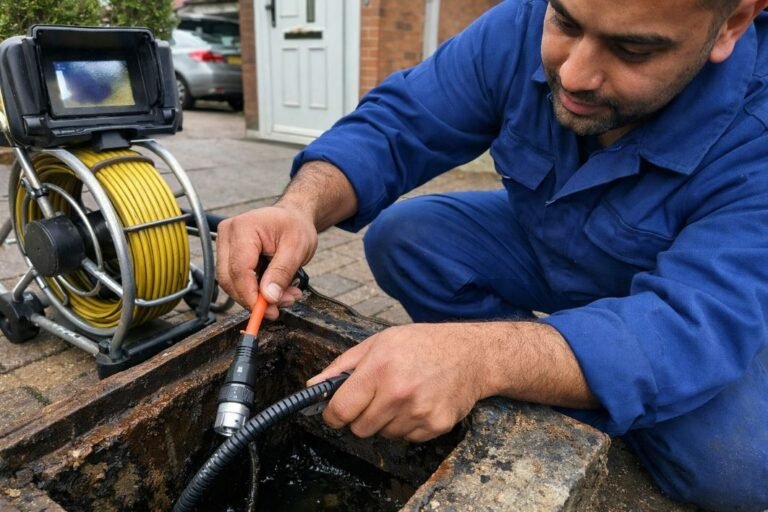
A CCTV drain inspection can also be sensible where the house has been extended, altered, or connected into older runs that may not match newer visible work above ground. In those cases, the risk does not come from appearance. The risk comes from assumptions.
Conveyancing solicitors sometimes spot the need for further due diligence from paperwork rather than from physical symptoms. Equally, a surveyor’s brief comment about drainage access or below-ground limitations can be enough to change the level of risk attached to the purchase.
The important point is that a pre-purchase drainage survey is not about treating every older home as problematic. It is about recognising when the cost of uncertainty is higher than the cost of checking.
Some property purchases become tense very quickly once drainage is questioned. A buyer may worry about hidden liability. A seller may be under pressure to preserve the agreed timeline. Legal teams may need evidence that is more specific than a general survey report can provide.
In that setting, a drainage specialist supports the transaction by clarifying what is known, what remains uncertain, and what the practical implications are. The value lies in evidence and timing as much as technical opinion.
Typical input may include:
For readers in Reading and Berkshire, firms such as 24hrs Drainage are often involved when a transaction has moved beyond casual concern and into something that could affect completion, negotiation, or later claims. In those moments, speed matters, but clarity matters just as much.
A drainage report for property sale purposes can also help narrow a dispute. Instead of broad statements about bad drains, the parties have something more concrete to work from, which changes the tone of negotiation.
A lot of confusion around pitch fibre pipes comes from assumptions that sound reasonable but do not hold up well under scrutiny.
Myth: If the survey does not mention it, there is no problem. Fact: Surveyor responsibility has limits. A standard report may simply reflect that buried drains could not be assessed in detail.
Myth: Pitch fibre always needs replacing. Fact: Some systems continue to function adequately, while others deteriorate. Condition matters more than the material name on its own.
Myth: Insurance will cover any issue that appears later. Fact: Home insurance providers may take a narrower view where age, gradual deterioration, or pre-existing defects are involved.
Myth: The seller must always disclose the problem. Fact: UK property law does not place every hidden defect into the seller’s knowledge automatically. Disclosure depends on what is known, what is asked, and how the transaction information is completed.
RICS guidance, insurance wording, and property transaction risks do not always line up in the way buyers expect. That is why false confidence can creep in. A quiet report, a smooth viewing, and a lack of obvious symptoms can still leave room for a material defect below ground.
Awareness changes the quality of a property decision. Once a buyer understands that some drainage risks sit outside ordinary visual surveys, the issue becomes easier to place in context. It stops being an obscure technical detail and becomes one part of sensible due diligence in home buying.
That perspective tends to reduce anxiety rather than increase it. Hidden drain issues are difficult when they appear unexpectedly, yet they are far easier to handle when the possibility has been considered at the right stage and weighed against the age, type, and history of the property.
Property buyer awareness is also likely to improve as survey standards, professional guidance, and transaction expectations continue to develop. Until then, the most informed buyers are often the ones who recognise that a tidy report is not the same as a complete picture, especially where older underground drainage may still be in place.
Get a Drainage Report for Your Property Sale
Support your transaction with a detailed drainage report that brings clarity to buyers and sellers alike.
24hrs Drainage Limited
33 Falmouth Rd, Reading RG2 8QR
0800 020 9198
Opening Hours:
Monday – Sunday : Open and available 24 hours per day
Drain Services
We provide Drainage Services across Berkshire, Hampshire, Surrey, London, Oxfordshire, and the surrounding areas.
Contact Us
If You’re Dealing With Blocked Drains Or Require Drain Repairs, You’ve Come To The Right Destination. Contact Our Team Today At 0800 0209198 For Professional Guidance And A Complimentary, No-Obligation Quote!
We are the premier providers of comprehensive drainage solutions in Reading and throughout Berkshire. With years of experience and a dedicated team of experts, we are your trusted partners for all your domestic and commercial drainage needs.
By subscribing, I agree for my data to be stored and used to receive newsand offers from 24hrs Drainage.
👋 Need urgent drainage help?
We’re available 24/7 in Reading and surrounding areas.
Tap below to speak with our drainage expert now.
Chat on WhatsApp
Fast response | No call-out charges | Nearby
WhatsApp us 24/7