Do You Need a Drain Survey for a Mortgage in the UK? What Lenders Actually Care About

Is a drain survey really necessary for a UK mortgage, and what matters to lenders during the process?

A drain survey is not a standard requirement for most UK mortgages, but lenders or surveyors may request one if there are signs of drainage problems or heightened risk. Lenders care about any evidence that suggests underlying defects could affect property value, compliance, or ongoing liability.

Table of Contents

Pro Tip: Review the findings of your initial property survey thoroughly, as lenders often act only on clear drainage-related warnings.

Why Drain Surveys Come Up During the Mortgage Process

During property transactions, drainage checks tend to surface at moments of uncertainty or after routine surveys identify red flags. Buyers and lenders alike seek assurance that a property is free from underlying issues which could cause future disruption.

Common triggers for requesting a drain survey include:

  • A surveyor highlighting suspicious damp patches, slow drainage, or previous flooding
  • Properties built before 1970, where older pipework often poses unknown risks
  • Transactions involving shared or complex drainage systems
  • A history of subsidence or major groundworks on the site


It is important to distinguish between myth and reality. Not all transactions require a drain survey by default. Often, the need arises only when something increases perceived risk, and such as hints of previous blockages or contradictory responses in disclosure forms.

Some buyers assume that every property will be subject to drainage scrutiny, but this is rarely the case except where property type, past incidents, or survey findings give reason for concern. Drainage can significantly affect value and saleability, which means that stakeholders will push for added reassurance only where doubts exist.

What Mortgage Lenders Actually Require (and What They Don’t)

Mortgage lenders do not automatically insist on a drain survey for every purchase. Their concern rests with the overall security and insurability of a property, rather than specific technical elements unless problems become apparent.

Here is a clear distinction:

  • Required by lenders: Evidence that the property is structurally sound and free from serious defects. This usually comes via a general property survey. A drain survey may be specified if there are warning signs from the initial survey, such as unexplained moisture or damage around drains.
  • Recommended or requested by solicitors: Some conveyancers will suggest a drain survey to protect the buyer or satisfy insurance queries, but this is often for added peace of mind rather than as a lender-driven condition.
  • Optional: In low-risk homes, especially those with clear maintenance records and no visible issues, lenders will rarely require specialised surveys beyond the standard homebuyer’s or building survey.


Lender requirements also vary by property type and location. For older or listed properties, or in areas with a known history of drainage issues, there may be more scrutiny. Myths about universal obligations often arise from a misunderstanding of lender policy versus legal, solicitor, or buyer caution.

Ultimately, the mortgage approval process is concerned with evidence-based risk. If drainage poses a credible threat to value or ongoing use, only then do lenders insist on a specialist survey.

Book a Drain Survey Consultation

Receive clear guidance and a fast turnaround from experienced drainage professionals tailored to property purchases

Schedule a Consultation

When a Drain Survey Becomes Important

While most transactions proceed without a dedicated drain survey, certain situations make it a non-negotiable part of risk management.

These include:

  1. Older or high-risk properties, especially those predating modern drainage standards
  2. Evidence of past or current drainage faults, such as blockages, backing up, or repeated flooding
  3. Transactions requiring compliance documentation for insurance or local authority checks
  4. Properties reliant on shared, private, or disputed drainage systems, where boundaries or responsibilities are unclear
  5. Scenarios where the only way to address uncertainty is through a detailed investigation


In these cases, a formal drain survey provides necessary reassurance, enables informed decisions, and safeguards against costly surprises.

How Drain Surveys Affect Mortgage Decisions and Property Value

Drain surveys serve as both a risk control measure and a negotiation tool during a property sale or purchase. The findings can sway the course of the transaction in several ways.

Impact on lender decisions: Serious faults or evidence of liability may prompt lenders to hold back approval or make a conditional offer, pending necessary repairs or further investigation.

Effect on property value and marketability: Survey results highlighting defects such as collapses, root intrusion, or shared system disputes can lead to reduced valuations. This can affect both buyer use and the seller’s ability to achieve their desired price.

Negotiation outcomes: A negative survey offers buyers grounds for renegotiation. Sellers may agree to lower the price or carry out repairs to secure the sale.

Further steps required: Complex cases may necessitate follow-up surveys or contractor quotations, often leading to temporary delays in the mortgage or conveyancing process but ultimately clarifying the situation for all parties involved.

A clear, issue-free drain survey can also speed up completion, especially when other property factors rank as borderline for approval.

Pro Tip: Clarify if you are purchasing in areas with shared or private drainage systems, as these pose distinct risks and responsibilities.

Get a Fixed-Price Quote

Request a transparent, fixed-price quote for your drain survey with no obligation, helping you plan your next steps with confidence.

Request Your Quote

The Role of Professional Drainage Companies in the Mortgage Process

Professional drainage companies, such as those offering urgent and compliant support, provide the clarity and documentation that high-stakes transactions require. Their input is particularly valuable when time, compliance, or liability are at risk.

A specialist drainage assessment typically offers:

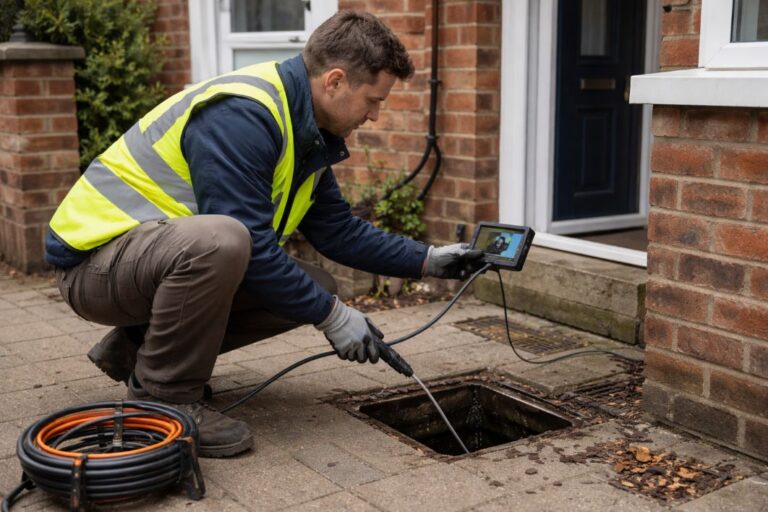
  • Impartial, detailed evidence through high-resolution CCTV surveys and written reports
  • Rapid response to prevent delays in the completion timetable
  • Documentation suitable for lenders, insurers, and conveyancers


Involving a specialist becomes particularly important when initial surveys raise questions or where risk must be documented to unlock mortgage or insurance decisions. In Reading, Berkshire, and neighbouring areas, companies like 24hrs Drainage are called upon for time-sensitive, outcome-focused drainage support. Their role is to resolve uncertainty with clear, actionable evidence so that parties can proceed confidently.

What to Do If a Drain Survey Reveals Problems

Receiving bad news from a drain survey can feel stressful, but structured steps help keep the transaction on course. The best course of action is to keep decisions practical and fact-based.

Here is a typical response checklist:

  1. Obtain and review the full survey report, paying attention to any highlighted defects or recommendations.
  2. Share these findings with your mortgage lender and solicitor so that everyone is working from the same evidence base.
  3. Request repair quotes or estimates for any required works to understand the potential cost and project timeline.
  4. Use this information to negotiate with the seller, whether for a reduced purchase price, repairs before completion, or specialist warranties.
  5. Seek legal or insurance advice if the issues affect boundaries, responsibilities, or compliance.


Taking these steps helps manage risk, avoids knee-jerk decisions, and positions the transaction for a fair and informed outcome.

Summary: Making Informed Decisions About Drain Surveys and Mortgages

UK mortgage lenders rarely insist on a drain survey, but certain properties and scenarios can bring this requirement to the forefront. Action is most urgent when evidence of risk, legal compliance needs, or transaction uncertainty emerges.

Key points to remember:

  • Drain surveys are usually triggered by survey findings, property type, or historical problems.
  • Lender obligations differ from solicitor or buyer recommendations.
  • Professional drainage companies can provide the evidence needed to proceed confidently.
  • Not every transaction will require this process, but knowing when to act helps avoid cost and complication.


Clarity, communication, and timely expertise ensure that drainage concerns never derail a mortgage unnecessarily.

Ask About Urgent Surveys

Speak with a drainage specialist for urgent property transactions requiring rapid survey completion and lender-compliant reports.

Speak to a Specialist

24hrs Drainage Limited

33 Falmouth Rd, Reading RG2 8QR

0800 020 9198

https://24hrsdrainage.co.uk/

Opening Hours:
Monday – Sunday : Open and available 24 hours per day