When DIY Unblocking Makes the Problem Worse: The Red Flags to Stop

What are the warning signs that DIY drain unblocking is making things worse?

Blocked drains that persist or worsen after home attempts may signal more detailed structural faults. Key red flags include recurring blockages, backflow across fixtures, persistent smells, visible damage, and rapid reoccurrence after clearing. Recognising these symptoms early helps prevent escalation and the need for urgent repairs.

Table of Contents

Pro Tip: If a blockage returns within 48 hours despite clearing, a deeper fault is likely and should be inspected with CCTV equipment.

Why good intentions can lead to bigger problems

A slow drain often invites a quick fix. Pouring hot water, trying caustic soda, or reaching with a drain rod feels practical at first, especially when water flow improves temporarily. But beneath the surface, a more complex issue may be forming.

DIY drain unblocking risks often stem from a mismatch between the assumed cause and the actual problem. Without the tools to accurately diagnose what is happening inside the pipes, well-intentioned actions may mask symptoms, delay resolution, or create new damage.

Common DIY pitfalls include:

  • Misdiagnosing a structural issue as a simple blockage
  • Using excessive force with rods, causing gouges or cracks
  • Applying harsh chemicals that corrode pipe joints
  • Displacing debris instead of removing it entirely
  • Blocking inspection access with makeshift tools or residue


In practice, these complications frequently raise costs and increase liability. Insurance clauses may also limit cover if improper intervention has contributed to the damage.

Red Flag #1: Repeated blockages in the same location

A single blockage might just be unlucky. But if the same drain clogs again within weeks, that pattern usually points to something more detailed.

Possible causes include:

  • Collapsed or cracked sections of pipe
  • Roots growing into joints or open ends
  • Uneven gradients that trap waste
  • Obstructions beyond physical reach


Standards set out in Building Regulations Part H support the use of CCTV to identify these faults safely and non-invasively. A recurring issue without a clear source often means that diagnostic work, not guesswork, is needed.

Book a Drain Survey

Identify issues before they escalate with a professional CCTV drain inspection across Berkshire.

Schedule a Survey

Red Flag #2: Water backing up into unrelated fixtures

Flushing the kitchen sink and finding bathwater rising in the tub is more than just inconvenient. It is often a sign of a main drainage failure.

Domestic drainage systems often rely on shared waste lines. If those become obstructed, water under pressure will find another exit, sometimes through the path of least resistance, including basins, baths, or even toilets.

This cross-fixture behaviour can indicate:

  • A full blockage in the main external drain
  • Incorrect or makeshift plumbing connections
  • Airlocks and pressure build-up inside the system
  • Risk of internal flooding due to backflow


Once waste starts to reappear in unexpected places, continuing DIY efforts becomes risky, especially with hygiene in mind. Professional attention is needed promptly.

Red Flag #3: Smells that persist after attempted fixes

A successful unblocking should resolve odours. If the smell lingers, that suggests something is still wrong.

Foul-smelling drains after DIY attempts may indicate:

  1. Only partial clearance with trapped waste still decaying
  2. Blocked or faulty ventilation traps allowing gas to rise
  3. System-wide backup causing stagnant areas to form
  4. Hidden pipe leaks slowly leaking wastewater into building fabric


According to environmental health standards, sewer gas and organic odours inside buildings are taken seriously. They can signal both health and structural risks. If smell persists beyond 24 to 48 hours of an intervention, the problem likely remains unresolved.

Pro Tip: Never use caustic chemicals near jointed or older pipework, as these can weaken seals and lead to future leaks.

Speak to a Plumbing Expert

Unsure if your blockage needs help? Our qualified team is ready to advise you on next steps.

Get Advice

Red Flag #4: Drainage is slower after a clearing attempt

It can be counterintuitive, but sometimes drains perform worse after a DIY clearing.

This often happens when:

  • Debris is pushed more detailed instead of removed
  • Partial unblocking narrows flow paths
  • Pipe linings or joinery are dislodged by force
  • Chemical residue restricts water movement


In these scenarios, the drain may at first feel improved, but flow declines over time. Pipe gradient and internal flow standards set by engineering guidelines assume clear passage. A marginal clearance rarely meets that benchmark.

Red Flag #5: Visible damage or leaks after DIY efforts

Damage to visible pipework or adjacent structures often emerges after physical or chemical attempts at repair.

Common visible signs include:

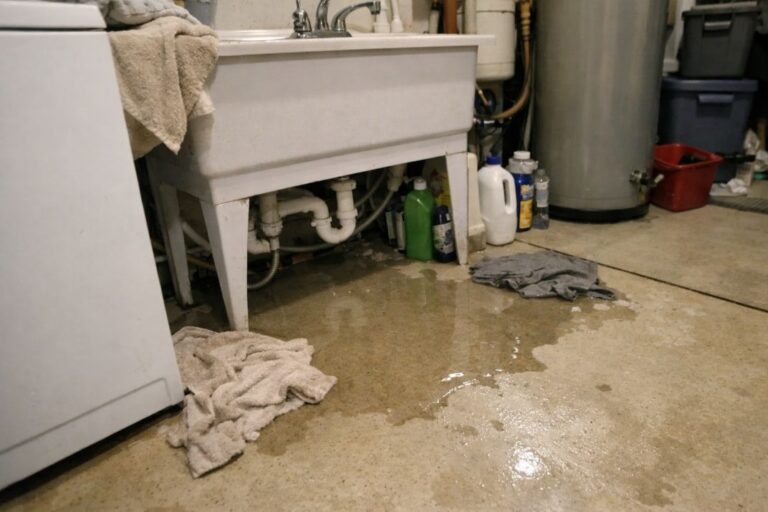
  • Water stains or damp patches near pipe runs
  • Small puddles under external joints or access covers
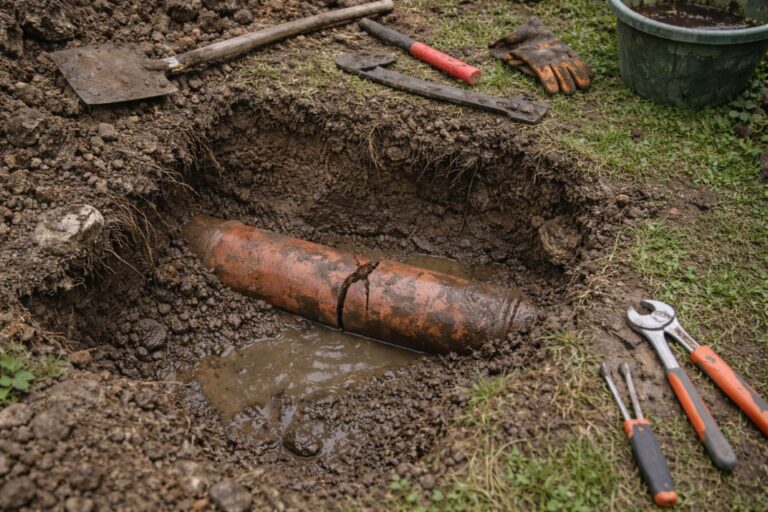
  • Cracks or twisting on exposed pipe segments
  • Sudden drops in water pressure without obvious cause


Overuse of rods or caustic agents can quickly turn a blockage into a leak. Some damage may appear minor but can allow water to escape into walls or subfloors over weeks.

Building insurance policies often require that damage not be self-inflicted through unqualified work. Documented intervention by a qualified technician may become necessary for future claims.

Red Flag #6: The blockage returns almost immediately

A drain that clogs again within a day or two has not been resolved. It has been temporarily relieved, displaced, or bypassed.

Rapid return is frequently due to:

  • Dislodged material not being fully removed
  • Misjudging where the actual blockage lies
  • Pipe narrowing caused by internal collapse
  • A build-up now re-forming due to slow flow

Drainage timelines matter. A clear pipe should remain operational for months or years, not hours. When flow regresses quickly, a more detailed fault is likely present. CCTV diagnostics can pinpoint the problem without destructive digging and are widely recognised by industry protocols.

Red Flag #7: Shared or unclear drainage responsibilities

It is easy to assume that every pipe visible on your property is your responsibility, but drainage layouts rarely follow legal boundaries.

Shared systems can involve:

  • Pipes passing under neighbouring land
  • Mutual access points not clearly marked
  • Section 104 adoption agreements by water authorities
  • Joint responsibility defined in deeds or leasehold terms

Acting alone on a shared system introduces risk. Damage caused to another property, even unintentionally, could lead to dispute or liability. In these cases, professional documentation adds protection, not just for repair quality, but for clarity in case of claim, inspection, or legal challenge.

In properties across Reading and the wider Berkshire area, shared drainage is common due to older building layouts. For persistent or border-spanning issues, a professional intervention is often the safest route forward, and for everyone involved. Contact 24hrs Drainage locally in Berkshire for expert guidance.

Request Shared Drain Assessment

If your property shares drainage, protect yourself with a documented inspection and legal overview.

Check Responsibilities

24hrs Drainage Limited

33 Falmouth Rd, Reading RG2 8QR

0800 020 9198

https://24hrsdrainage.co.uk/

Opening Hours:
Monday – Sunday : Open and available 24 hours per day