Repeated Blockages in the Same Spot: Why It Keeps Happening (and the Fix That Works)

Why does the same drain keep blocking in the same place over and over again?

When a blockage happens repeatedly in the same location, it usually indicates a more detailed or unresolved issue within the drainage system. Temporary relief may occur after each clearing, but unless the root cause is addressed, the problem is likely to return. Persistent blockages often signal structural damage, design flaws, or historical complications that cannot be resolved by surface-level fixes.

Table of Contents

Pro Tip: A CCTV drain survey often reveals misalignments or fractures not visible from the surface, making it essential for repeated issues.

When a One-Off Becomes a Pattern

A single blocked drain is inconvenient. Repeated blockages in the same spot, however, suggest more than bad luck or usage habits. This shift from isolated incident to pattern marks a turning point in both the nature of the problem and how it should be handled.

Recurrent drain issues point toward systemic faults. These might involve underlying damage, flow impairment, or incomplete repairs. What appears minor at surface level may hide a structural failure or accumulated flaw in the drainage system.

Treating these as isolated events often leads to a cycle of frustration and rising costs. Each visit clears the symptoms without addressing the cause, drawing out the problem rather than solving it.

There is also the question of liability. A repeated blockage, especially in a shared or managed property, may prompt scrutiny from insurers or trigger compliance consequences. Local water authorities and property managers often keep recordable histories of previous drainage concerns, which means repetition is more than just noticeable. It becomes reportable.

In some cases, repeated issues in the same place may even affect property value or insurance acceptance. That is why identifying the point at which inconvenience becomes an indicator of more detailed risk is important.

Book a CCTV Drain Survey

Get clarity on what is really causing blocked drains with a full internal inspection.

Book a Survey

The Usual Suspects: What Causes Repeated Blockages in the Same Spot

A drain that keeps blocking in the same place often shares a handful of root causes. Understanding of these common culprits can help move the situation from guesswork to targeted action.

  1. Structural defects A collapsed or partially fractured pipe can interrupt flow and collect debris. Over time, this builds into blockages. These defects usually occur underground and often go unnoticed until problems begin repeating.
  2. Misaligned pipework Pipes that have shifted due to ground movement or poor installation may create flow restrictions. Even a slight misalignment can cause repeated accumulations in the same area.
  3. Root intrusion Tree roots are drawn to moisture and can enter through hairline cracks. Once inside, they spread, creating natural blockages that worsen over time.
  4. Inadequate or aged repairs A temporary fix carried out years ago may have masked a fault rather than dealt with it. These legacy repairs often fail under ongoing pressure.
  5. Shared or commercial usage For properties with shared drains or high-volume commercial output, build-ups can occur far quicker. In cases like these, the problem may not originate within your own pipework at all.

While symptoms may seem identical, the causes behind recurring blockages vary and are rarely visible without diagnostic tools such as CCTV drainage surveys.

Why Temporary Fixes Fail (and Make Things Worse)

It is understandable to seek a fast solution when a blockage occurs, especially during disruption. However, repeated use of short-term methods rarely addresses the reason the blockage happened in the first place.

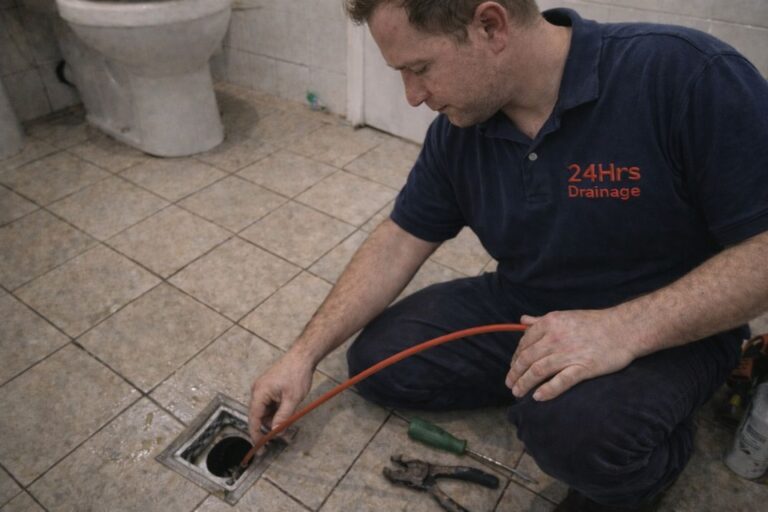
Simple jetting may push the problem downstream, but if the structure is compromised, the flow will continue to catch waste or slow down at the same point again. Rodding and chemical unblocking agents can offer immediate relief, but they lack the precision needed to identify underlying defects.

Over time, this cycle leads to repeat callouts, hidden damage, and avoidable escalation. In some cases, insurers may limit support when they perceive repeated drain incidents as maintenance neglect rather than unexpected failure.

The longer the true source of the issue is left unverified, the greater the cost becomes, in financial terms but also in risk to property, compliance, and operational continuity.

Pro Tip: If your drain blocks more than once in six months, it likely signals a structural or underlying problem that requires professional inspection.

Speak to a Drainage Specialist

Have a recurring issue? Our team can help diagnose and resolve persistent blockages.

Contact a Specialist

The Fix That Works: Addressing the Root Cause

A lasting solution always begins with a clear diagnosis. Understand exactly why the same location keeps blocking is the only route to a permanent answer.

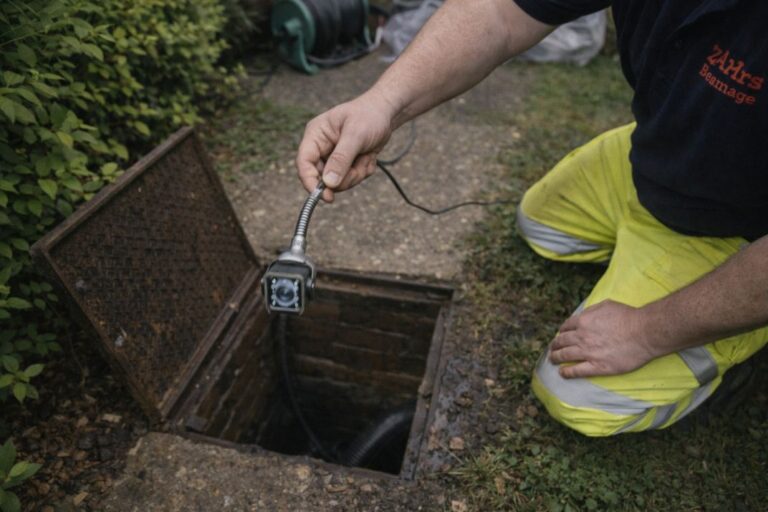
This is where a structured CCTV drain survey plays a important role. By inspecting the system internally, it becomes possible to see fractures, misalignments, root ingress, or silt build-up that may not be visible from surface symptoms alone.

Once the root cause is known, targeted repairs can take place. In some cases, this may involve drain relining, where a resin sleeve is used to reinforce the compromised section. In others, excavation and structural repair become necessary due to access constraints or severity.

What matters is not the method used, but the outcome achieved. Properly resolved drainage issues do not reoccur in the same location. When a system is structurally sound and correctly aligned, waste flows freely, and service frequency reduces dramatically.

Firms such as 24hrs Drainage are often brought in at this stage, not just because they can clear a blockage quickly, but because they specialise in identifying and resolving persistent or complex issues, including those tied to compliance or commercial settings.

When Repetition Signals Risk: Compliance, Claims, and Consequences

Repeated drain problems are not simply inconvenient. They can carry unwanted consequences in both domestic and business settings.

  1. Insurance friction Home and business insurers may question why a drain that was unblocked repeatedly continues to fail. Without documented investigations or proof of remedial action, claims may be delayed or rejected.
  2. Compliance pressure In commercial environments, repeated blockages can raise red flags during inspections. Environmental health, fire safety, and building compliance all intersect with drainage reliability.
  3. Shared responsibility Where pipes are shared across properties, repeated issues can raise disputes between neighbours or tenants. Establishing the source of the problem and its ownership becomes important, especially for property managers.
  4. Business interruption For operational premises, repeated blockages may result in downtime, contamination risks, or failure to meet health and safety thresholds, and affecting revenue and client trust.

These pressures mount quickly without a clear plan to resolve the ongoing fault. Documentation, evidence, and trusted resolution partners often make the difference between a one-time incident and a compliance breach.

Why It Keeps Happening in the Same Spot (Even After It’s Cleared)

The frustration of clearing a drain only for it to block again weeks later is all too common. The reason lies in what is left unresolved during each fix.

  • Residual damage Any unnoticed crack, sag, or misalignment in the pipe creates a point where materials slow down and build up.
  • Flow restriction Incorrect grading within the system can reduce flow velocity, especially in older properties. Waste settles rather than clears, accumulating over time.
  • Build-up vulnerability Clearing fat or debris does not resolve why it gathered there. If that section of pipe is rough, corroded, or broken, it invites recurrence.
  • Missed diagnosis Without internal inspection, assumptions may be made about the cause. Clearing a visible symptom creates temporary relief, but faulty sections remain untreated.

What creates the illusion of resolution is the fact that water drains again temporarily. Yet the structural problem remains untouched, allowing the cycle to restart.

When to Escalate: Recognising the Point for Professional Help

Knowing when expert intervention becomes necessary removes guesswork, and often prevents further damage. The following signals suggest the situation has moved beyond DIY or routine response.

  1. The same location blocks twice or more within six months
  2. Clearing methods bring only short-term relief
  3. Water backs up without obvious obstruction
  4. You manage or share the property
  5. Insurance or documentation is tied to drain condition
  6. The blockage stops business operations or building access

At these points, professional assessment is not a luxury but a logical step. Specialist teams have access to diagnostic tools, repair options, and compliance understanding that go beyond symptoms.

For properties under pressure to maintain function or meet standards, involving a professional such as 24hrs Drainage often marks the shift from short-term response to long-term control. The right help, applied at the right time, avoids repetition, and all it brings with it.

Resolve Shared Drain Issues

Managing a shared drainage system? We offer assessment and resolution to prevent disputes.

Get Shared Drain Support

24hrs Drainage Limited

33 Falmouth Rd, Reading RG2 8QR

0800 020 9198

https://24hrsdrainage.co.uk/

Opening Hours:
Monday – Sunday : Open and available 24 hours per day