During wet weather, drains often seem to block more frequently, but the issue is usually more complex than just rainfall. In most cases, heavy rain exposes underlying problems rather than causing new ones. The increased volume of water acts as a pressure test, revealing partial blockages, structural flaws, or capacity limitations that may go unnoticed in dry conditions. These drainage problems are especially common among UK homeowners and landlords during the autumn and winter months, when rainfall is more persistent.
Many UK drainage systems can become overwhelmed during periods of heavy rainfall. Under normal circumstances, water flows through drains without issue. However, during a storm, the sudden increase in volume can exceed the system’s design limits. Just as a car might only squeak when turning sharply, drains often show signs of trouble only under pressure.
Drainage issues that appear during storms are usually the result of pre-existing faults. Rain does not create these issues. Instead, it reveals them. Water pooling in gardens or strange noises from pipes are examples of symptoms that might arise suddenly and disappear just as quickly. Even when they seem temporary, these signs often point to deeper problems.
Not every wet weather drainage problem is an emergency. Symptoms might resolve themselves once the rain stops. However, recurring problems should not be ignored. Understanding how drains respond to wet weather can help you identify early warning signs and prevent larger issues from developing.
It may feel like drains are more likely to block during wet conditions, but what actually happens is that rain reveals problems already present in the system. Drains in good condition and with adequate capacity typically manage heavy rainfall well. However, blockages, misaligned pipes, or narrow sections can quickly lead to flooding when extra water is added to the system.
In this context, rain is more of a trigger than a cause. When water cannot drain away quickly enough, it backs up, often giving the impression of a sudden blockage. Homes with older drainage setups, particularly those using combined systems where foul and surface water flow through the same pipes, are especially vulnerable during storms.
Pro Tip: Most drain problems during storms are caused by debris that enters before the rain starts. Keep gullies clear to reduce risk
Book a CCTV Drain Survey Today
Find out exactly what’s happening underground before it becomes a costly emergency.
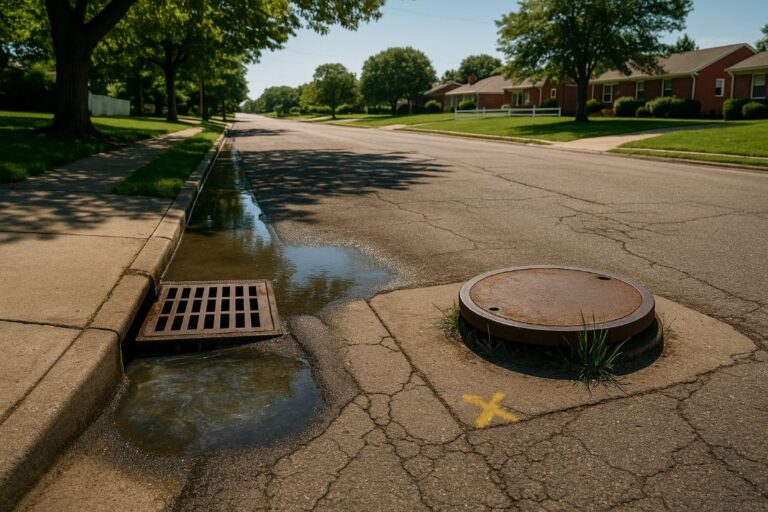
Several things happen within a drainage system during a downpour. The flow rate increases significantly, pushing much more water through the pipes than normal. Hydraulic pressure builds up, particularly in pipe bends and dips, making it harder for water to move efficiently. Temporary surcharge may also occur. This is when water has nowhere to go and reverses direction or overflows.
These conditions lead to slower drainage, standing water, or even internal backups. Think of it like rush hour traffic: too many vehicles on the same road at once causes everything to slow down or stop altogether. Drainage systems react in much the same way when they are overwhelmed by excessive stormwater runoff.
Hydraulic pressure builds when water volume increases inside a confined pipe, particularly faster than it can be released. This pressure tests the limits of the drainage infrastructure and may highlight cracks, gaps, or structural weak points.
Temporary surcharge occurs when a drainage system is overwhelmed and can no longer carry water away quickly enough. This causes water to backflow or escape through gullies, manholes, or even indoor fixtures. While often short-lived, repeated surcharge can damage pipes and increase flood risk.
Pro Tip: A recurring smell after rain is often your first clue of a slow-developing blockage. Don’t wait until it backs up.
Blocked Drains After Rain? We Can Help
Our emergency response team handles rain-related blockages fast and effectively.
Rain does not just transport water. It also sweeps up leaves, dirt, and debris as it moves across outdoor surfaces. These materials are often washed into drainage systems through surface water drains and gully pots. This effect is particularly noticeable in autumn, when leaf fall is at its peak.
Once inside the system, debris such as silt and organic matter may settle and slow down the flow. Blockages usually form at entry points and low flow areas, making gullies especially prone to clogs. The build up of such materials is one of the main causes of blocked drains after heavy rain and a key reason for ongoing external drain blockages.
It is not uncommon for drainage issues to appear during rain and then resolve themselves afterwards. This typically happens due to temporary system overload. The surge of water during rainfall puts pressure on weak points in the system, which may not be noticeable when conditions are dry.
Partial blockages, narrow joints, or structural misalignments within the drainage network may only reveal themselves under strain. Once the rain subsides, water pressure decreases, and the system may appear to recover. However, this can give a false sense of resolution. If problems happen repeatedly during storms, they likely point to an underlying issue that needs professional assessment.
If you notice the same drainage issues during every storm, rain may be uncovering a more serious fault. Partial blockages, cracked pipes, and misaligned joints are all common causes. Roots can also enter through damaged pipework, especially in older systems, gradually restricting flow and weakening pipe integrity.
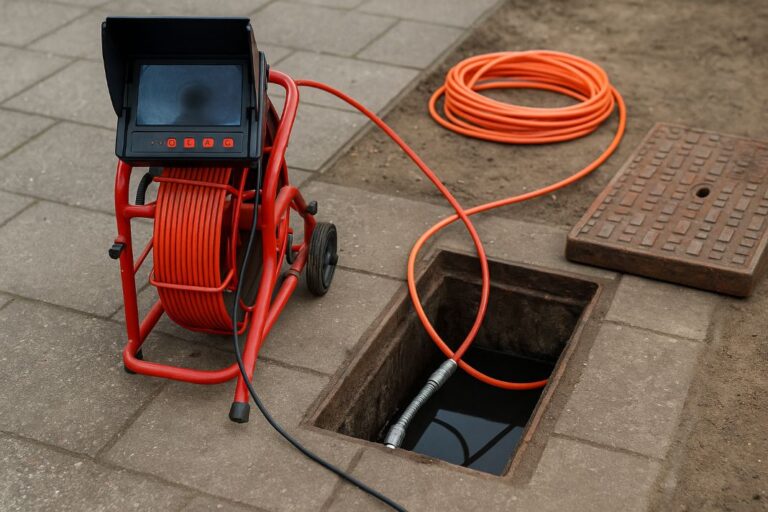
A CCTV drain survey is one of the most accurate ways to identify such issues. This involves inserting a waterproof camera into the drainage system to record footage of the interior. Technicians use this footage to pinpoint structural problems and plan appropriate solutions. If you are experiencing repeat issues during wet weather, a survey like this is highly recommended as an early intervention tool, one of the services provided by 24Hrs Drainage.
There are several tell tale signs that your drainage system is under stress during wet weather. These include:
Gurgling sounds from sinks or drains.
Overflowing outdoor gullies.
Water backing up into bathrooms or kitchens.
Persistent bad smells coming from drainage points.
These symptoms indicate that your system is not coping with the extra volume of water. If you notice any of these warning signs, it is worth contacting a drainage professional for an inspection. Identifying the cause early can reduce the risk of system overload and help avoid costly repairs.
Preventing drainage problems before they start is often the best approach:
Clear gullies and outdoor drains regularly – especially in autumn.
Schedule inspections before seasonal rainfall – spring and autumn are ideal times.
Know your system type – combined systems are more prone to flooding.
Arrange professional CCTV inspections for early detection.
Companies such as 24hrs Drainage offer these services. These inspections are factual assessments and do not require product promotion or guarantees.
Keep a simple record of drainage symptoms. Include strange noises, smells, or flooding, along with the weather conditions and dates. This helps drainage engineers quickly understand the situation and make accurate recommendations.
Myth: If the drain clears itself, everything is fine.
Truth: Temporary relief may hide an ongoing fault. The same issue could return during the next storm.
Myth: Only old properties have drain issues in the rain.
Truth: New builds can also be affected if their drainage has not been maintained or was poorly installed.
Myth: Standing water is normal after a heavy downpour.
Truth: Short term pooling can happen, but persistent or repeated standing water usually means a blockage or design flaw.
Prevent Drain Problems This Season
Book a seasonal drain check and keep your system flowing through all weather.
24hrs Drainage Limited
33 Falmouth Rd, Reading RG2 8QR
0800 020 9198
Opening Hours:
Monday – Sunday : Open and available 24 hours per day
Drain Services
We provide Drainage Services across Berkshire, Hampshire, Surrey, London, Oxfordshire, and the surrounding areas.
Contact Us
If You’re Dealing With Blocked Drains Or Require Drain Repairs, You’ve Come To The Right Destination. Contact Our Team Today At 0800 0209198 For Professional Guidance And A Complimentary, No-Obligation Quote!
We are the premier providers of comprehensive drainage solutions in Reading and throughout Berkshire. With years of experience and a dedicated team of experts, we are your trusted partners for all your domestic and commercial drainage needs.
By subscribing, I agree for my data to be stored and used to receive newsand offers from 24hrs Drainage.
👋 Need urgent drainage help?
We’re available 24/7 in Reading and surrounding areas.
Tap below to speak with our drainage expert now.
Chat on WhatsApp
Fast response | No call-out charges | Nearby
WhatsApp us 24/7