In the UK, colder weather can cause drainage problems to escalate quickly, particularly in northern areas where temperatures fall rapidly. When combined with heavy rainfall, these conditions can cause blocked drains, frozen gullies, or reduced wastewater flow. due to the combined effects of temperature drops and increased rainfall. These winter drain problems are especially common in older properties or those with vulnerable pipework.
Winter weather triggers several factors that stress the drainage systems in UK homes. Cold temperatures slow water flow, cause fat and grease to harden inside pipes, and expose weaknesses like misaligned joints or blockages that might go unnoticed in milder months. According to the UK Met Office, colder weather can lead to frozen pipework and increased household strain on drainage systems, particularly during periods of heavy rain or snowmelt. Increased rainfall and freezing conditions can quickly overwhelm gullies, especially when household usage rises during festive periods.
Homeowners often notice that what worked fine in summer suddenly becomes problematic as winter sets in. That’s not random – it’s the season revealing what’s already fragile.
As temperatures drop and households run heating, cooking, and water systems more intensively, drains come under strain. Partial blockages become full ones. Water that flowed easily now slows and stagnates. The colder it gets, the less forgiving your pipework becomes.
Many people are caught off guard especially when strange smells rise from kitchen sinks or outdoor drains back up during a cold snap. The contrast is frustrating: what seemed fine in October is failing in December. If this sounds familiar, it’s because winter acts like a stress test, exposing every vulnerability in your system.
Understanding the freeze thaw impact on drains and stormwater systems helps explain why winter is particularly harsh on drainage infrastructure in the UK.
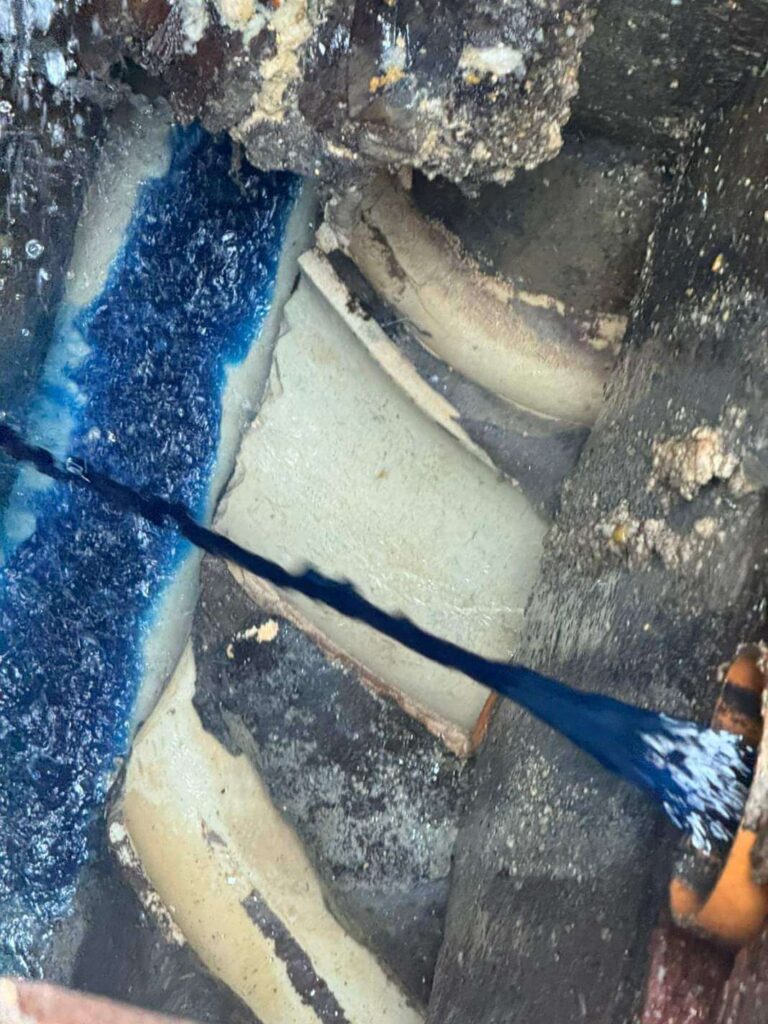
Cold conditions underground trigger freeze thaw cycles. These cause pipe joints to shift, sometimes leading to cracks or separation. This repeated motion can misalign pipework or even cause cracks in older clay or cast iron drains, making them vulnerable to infiltration or leakage. As water freezes, it expands putting pressure on pipes and joints. This freeze thaw cycle can subtly shift soil, affecting underground connections and leading to cracks or misalignments. Meanwhile, the increase in rainfall saturates soil and sends more water into gullies and sewers.
Grease from cooking turns into a real problem during cold months. When hot fats go down the drain, they cool quickly in the lower temperatures, solidifying inside the pipes. This creates stubborn blockages, especially when combined with food scraps or detergents.. What’s liquid after Sunday lunch solidifies like candle wax once it enters cooler pipework, creating stubborn internal blockages. Leaves and other winter debris further complicate things by clogging external gully traps.
From frozen gully drains to blocked outside drains in winter, homeowners across the UK face a recurring list of cold weather drain issues that can escalate rapidly without attention.
Frozen outdoor gullies: Water collects, freezes overnight, and prevents flow.
Slow kitchen drains: Fats, oils and grease (FOG) congeal in the colder pipework.
Overflowing drains: Rainwater overwhelms systems, particularly in older properties.
Tree root issues: Roots that entered unnoticed over summer now cause flow problems. Thames Water and other UK water authorities note that tree roots are a leading cause of winter drainage issues, especially in older clay pipe systems.
Cracked or displaced underground pipes: Frost shifts soil and makes existing weaknesses worse.
These problems often surface between November and February, when heavy rain, higher household usage, and frequent frosts all combine to test your drainage system. These winter plumbing issues often reveal hidden weaknesses already present in the drainage system., and they typically reveal themselves just when you need everything working smoothly.
Pro Tip: Always pour hot (not boiling) water down kitchen sinks weekly to clear early FOG build up.
Get Your Drains Winter Ready
Book a pre winter inspection and avoid costly cold weather failures.
Different types of drainage systems react differently to winter conditions. Older clay or cast iron pipes are more prone to cracking under frost pressure. Plastic (PVC or uPVC) systems are more resistant but can still suffer from joint separation or misalignment when temperatures swing sharply.
These material differences are important. If your property has ageing underground drainage, winter may expose its weaknesses first.
If you’ve wondered why winter drains fail more often, the answer lies in how low temperatures, heavy storms, and household strain collide at the worst possible time.
Winter doesn’t just cause problems it multiplies them. A single cold snap can cause fats to harden, shift joints, and lead to blockages or backups within hours. Temperature swings expand existing cracks. Storms bring leaves and debris that block gullies, while heavier indoor usage (especially around the holidays) strains systems already under pressure.
Even drains in decent condition struggle during these months. Cold conditions change the rules, and what’s manageable in August can become a real risk by mid December.
Walk around your property and check all visible drains for debris.
Look for any exposed pipes and feel for gaps in insulation.
Run hot water through kitchen sinks weekly to help prevent grease build up.
Clear leaves from gutters and gullies, especially after wind or rain.
Run taps in lesser used sinks and bathrooms to check for slow drainage. Run taps in lesser used sinks and bathrooms to check for slow drainage.
Getting your drains ready for winter doesn’t have to be complicated a few checks in autumn can spare you a lot of hassle later. of common issues like blocked drains and frozen gullies.
Start early ideally before the first frost. Preparing your drains for winter in the UK is one of the most effective ways to avoid emergencies. It’s the best time to carry out preventative maintenance, especially in homes with ageing drainage infrastructure. A few simple checks can make a huge difference:
Clear gullies and gutters: Remove leaves, silt and debris from outdoor drainage.
Check insulation: Make sure external pipework is properly lagged.
Flush kitchen drains: Pour hot water down sinks weekly to help dissolve FOG.
Test drain flow: Run water in less used rooms (like utility sinks) to ensure all is moving well.
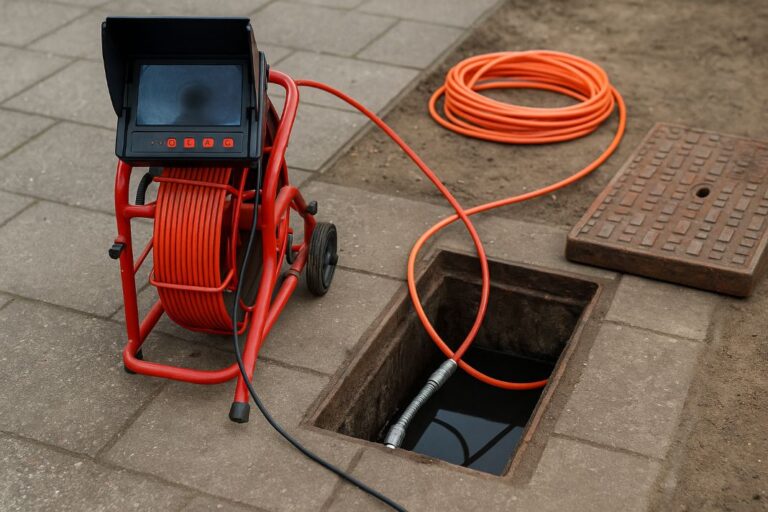
Book a CCTV drain survey: A camera inspection can identify hidden issues, which is particularly useful in older homes with ageing pipe systems.
Taking these steps early means fewer surprises when the cold sets in.
Water backs up inside your home, even once.
Outdoor drains overflow after light rain.
Persistent foul smells appear indoors or near gullies.
Pipe insulation looks damaged or is missing completely. If pipe insulation looks damaged or is missing completely.
Winter drain issues can escalate rapidly. That’s why it is important to take action as soon as warning signs appear.
These easy steps will help keep water moving freely, even during icy spells or after big holiday meals. and avoid mid-season backups caused by FOG or ice blockages.
During the coldest weeks, these tips can reduce the chances of backups in kitchen pipes and outdoor drains. If water flow slows or foul smells persist, it could indicate developing blockages or even a sewer surcharge issue. in kitchen pipes and outdoor drains. Keeping an eye on flow rate, frost buildup, and foul smells can make all the difference.:
Check for early signs: Gurgling sounds or foul smells often point to partial blockages or freezing.
Inspect outdoor areas: After storms or frost, check gullies and external drains for pooling or ice.
Manage grease carefully: Wipe pans before washing. Never pour fats down the drain.
Know your limits: If drains back up repeatedly or you notice a strong sewage smell, a licensed drainage engineer should inspect the system promptly.
Small, regular checks go a long way in avoiding costly emergencies.
Pro Tip: After every storm, check outdoor gullies for pooled water or leaf blockages.
Blocked Drains Slowing You Down?
Fast, professional drain unblocking with no mess and no fuss.
A spring drain inspection in the UK can reveal hidden damage like cracked pipes, misalignments, or leftover debris that may cause trouble in the months ahead.
Spring is a great time to assess winter’s impact. Check for:
Visible cracks or gaps in outdoor drains
Reduced water flow from taps or appliances
Leaf build up in gully traps or gutters
Persistent smells that might indicate deeper blockages around external drains
Slower than normal flow from sinks or baths
Residual leaf debris in gullies or gutters
Any recurring smells or backup issues
Planning maintenance now before summer rains or autumn leaves keeps your drainage system in good shape. The UK Environment Agency and many local councils recommend regular seasonal checks to ensure drains remain clear and effective throughout the year. This post winter drain inspection helps spot signs of surface water flooding or groundwater pressure that may have gone unnoticed during colder months.
Here are answers to common winter drainage concerns UK homeowners face from frozen drains to blocked gullies.
Can drains freeze in the UK?
Yes. Outdoor pipework, gullies, and shallow drainage systems are all vulnerable during cold snaps.
Why does my drain smell in winter?
Colder weather slows water flow and allows odours to build up, especially if there’s a partial blockage.
Is it ice or a blockage?
If the problem disappears when temperatures rise, it’s likely ice. If not, you may have a deeper blockage.
Does heavy rain affect drains in winter?
Definitely. Combined with leaf debris and soil saturation, rain can easily overload systems.
Can I pour hot water outside to melt ice?
Yes. You can use warm (not boiling) water to help melt ice in gullies or outdoor drains. Avoid extremely hot water, as it may crack plastic piping.. Use warm, not boiling water to avoid cracking plastic pipework.
Stopping winter drain problems before they start takes a bit of forward planning and regular upkeep. If your drains are already showing signs of trouble such as slow flow, gurgling sounds, or bad smells it’s wise to have them professionally inspected. A drainage expert can identify and fix problems early, preventing bigger issues later.
You don’t need to overhaul your whole system. Just focus on key tasks like insulating pipes, clearing gullies, and watching for early warning signs.
Winter might expose your drains’ weaknesses but with the right prep, you’ll stay in control.
Need a Drainage Expert?
Our certified engineers can fix what winter broke before it gets worse.
24hrs Drainage Limited
33 Falmouth Rd, Reading RG2 8QR
0800 020 9198
Opening Hours:
Monday – Sunday : Open and available 24 hours per day
Drain Services
We provide Drainage Services across Berkshire, Hampshire, Surrey, London, Oxfordshire, and the surrounding areas.
Contact Us
If You’re Dealing With Blocked Drains Or Require Drain Repairs, You’ve Come To The Right Destination. Contact Our Team Today At 0800 0209198 For Professional Guidance And A Complimentary, No-Obligation Quote!
We are the premier providers of comprehensive drainage solutions in Reading and throughout Berkshire. With years of experience and a dedicated team of experts, we are your trusted partners for all your domestic and commercial drainage needs.
By subscribing, I agree for my data to be stored and used to receive newsand offers from 24hrs Drainage.
👋 Need urgent drainage help?
We’re available 24/7 in Reading and surrounding areas.
Tap below to speak with our drainage expert now.
Chat on WhatsApp
Fast response | No call-out charges | Nearby
WhatsApp us 24/7