
Once an emergency drain clear has taken place, it is important to verify that the problem has fully resolved and take steps to prevent immediate recurrence. Within the first 48 hours, signs of residual blockage, structural damage, or operational risk may emerge. Thoughtful post-clear checks can reduce disruption, cost, and exposure to repeat failure.

Pro Tip: Save CCTV footage from any drain inspection in cloud storage. It may be required for future insurance claims or validation.
A rapid unblock may relieve the pressure, but it does not automatically mean the underlying issue has gone. Residual silt, displaced joints, or hidden faults can allow symptoms to return quickly.
Watch for signs that the blockage was only partially cleared or that a more detailed issue is present:
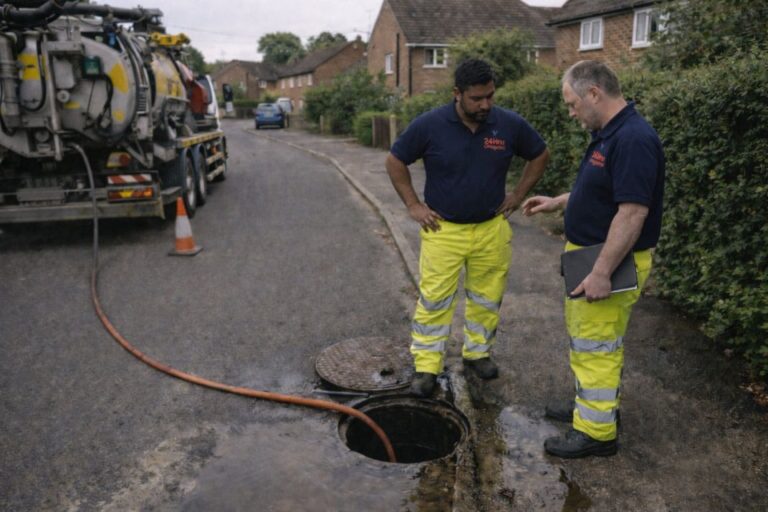
If any of these signs appear, a post-clear CCTV drain survey may be warranted. Drainage engineers use this to verify structural integrity, identify lingering obstructions, and confirm whether water is flowing freely along the entire length of the pipe. For properties with ongoing or repeat issues, early use of diagnostic tools can prevent escalation.
Blockages often reveal themselves before structural damage is obvious. However, older systems or ground movement may lead to problems that a standard clear cannot fully resolve.
If the system maintains flow with no new signs of blockage, physical damage is unlikely. However, if you begin to notice persistent slow drainage, recurring localised backflow, or continued ground softening near inspection points, the structure itself may need assessment.
Common indicators that something more serious is unfolding include:
In such cases, structural drainage surveys or relining options may need consideration. Whether domestic or commercial, early detection of pipe collapse or joint failure typically reduces cost and downtime.
Book a CCTV Drain Survey
Confirm the condition of your drains with a full CCTV inspection. Suitable for ongoing issues or post-clear verification.
Even if water appears to be moving again immediately after a clear, early signs of renewed restriction can develop.
Look out for these within the first 48 hours:
These symptoms may point to a build-up of fat, grease, or scale not fully extracted during an emergency response. Where interceptor tanks or grease traps form part of the system, unchecked deposits can quickly reform restrictions. In high-use environments, a scheduled jetting or reset of flow management protocols may be needed.
If any of the above signs persist, a further inspection or system review is worth arranging to avoid repeat disruption.
Pro Tip: In shared buildings, always notify management about drain issues. Individual fixes can miss systemic faults affecting others.
Prevent Future Drain Problems
Explore regular maintenance options to keep your drain system running smoothly and avoid emergency disruptions.
Once flow has been restored, administrative obligations may still apply. Whether for insurance claims, regulatory inspections, or tenancy compliance, correct documentation can affect cost recovery or legal standing.
Depending on the situation, the following may be required:
Landlords and managing agents should retain this information for tenancy agreements and local authority compliance. Commercial premises may use it for internal audit or business continuity records. Where flooding, water damage, or contamination has occurred, insurers often require proof of professional intervention before progressing claims.
Timely documentation strengthens your position and reduces the risk of complications later.
The cause of a blockage is not always mechanical. Usage pressure, behavioural habits, or systemic misuse can all contribute.
High-risk patterns to be aware of include:
Even where the clear appears successful, a system under ongoing stress may relapse. This is especially relevant in older pipework with limited capacity or poor gradient.
Where usage concerns exist, having a specialist assess suitability and load tolerance can inform whether preventative servicing is appropriate. This might include programmed jetting or grease capture upgrades in commercial spaces.
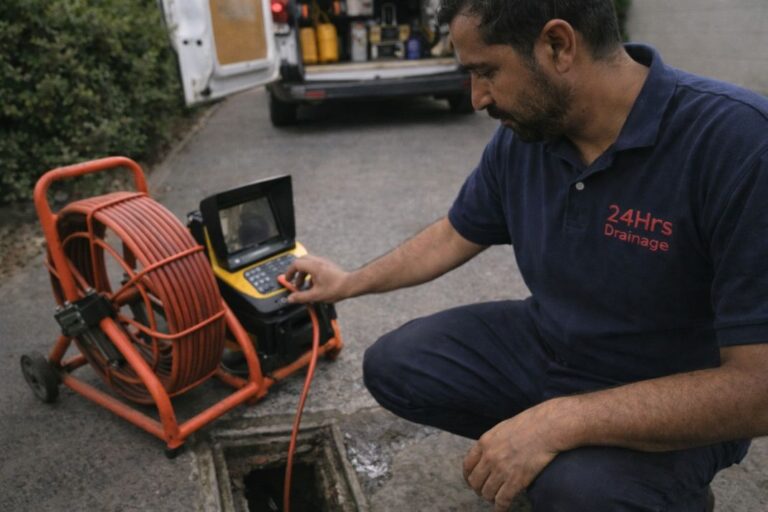
Private property action may not be enough if the system is integrated into a shared or communal setup. It is important to consider what lies beyond your boundary.
If the drain affected serves only your property:
If the drain is shared or external:
Regular drainage complaints in neighbouring units, block-wide odours, or rising manhole water levels may signal a wider system issue. In managed buildings, informing property managers early speeds up shared system resolution and ensures broader issues are documented for repair.
Not every blockage suggests a larger issue. However, patterns, age of infrastructure, or site usage may justify taking preventative measures.
Preventative steps may be worth considering if:
Options include CCTV inspection, scheduled servicing, targeted relining, or risk-based maintenance planning. While these come with costs, they also reduce exposure to fines, downtime, or emergency callouts.
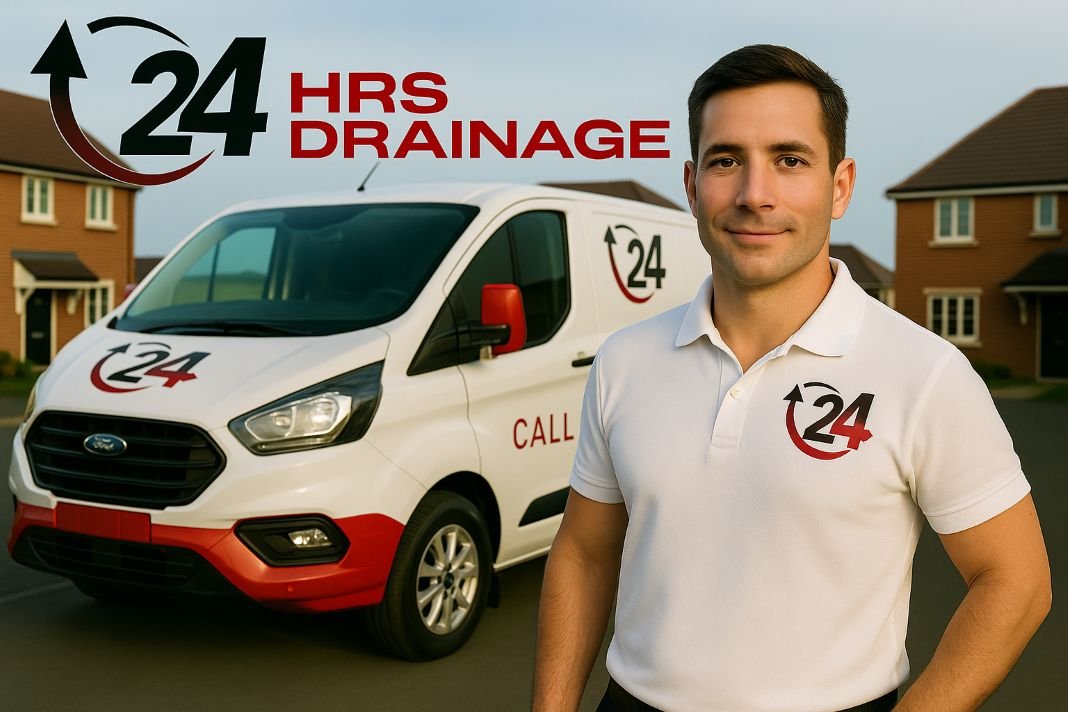
For businesses and property owners managing risk-sensitive sites, an early conversation with drainage specialists can strengthen operational resilience. For those in Reading or surrounding regions, providers like 24hrs Drainage support both immediate response and preventative planning, helping reduce the likelihood of future disruption.
Speak with a Drainage Specialist
Have questions about recent drain issues or next steps? Talk directly with an expert for tailored advice.
24hrs Drainage Limited
33 Falmouth Rd, Reading RG2 8QR
0800 020 9198
Opening Hours:
Monday – Sunday : Open and available 24 hours per day
Drain Services
We provide Drainage Services across Berkshire, Hampshire, Surrey, London, Oxfordshire, and the surrounding areas.
Contact Us
If You’re Dealing With Blocked Drains Or Require Drain Repairs, You’ve Come To The Right Destination. Contact Our Team Today At 0800 0209198 For Professional Guidance And A Complimentary, No-Obligation Quote!
We are the premier providers of comprehensive drainage solutions in Reading and throughout Berkshire. With years of experience and a dedicated team of experts, we are your trusted partners for all your domestic and commercial drainage needs.
By subscribing, I agree for my data to be stored and used to receive newsand offers from 24hrs Drainage.
👋 Need urgent drainage help?
We’re available 24/7 in Reading and surrounding areas.
Tap below to speak with our drainage expert now.
Chat on WhatsApp
Fast response | No call-out charges | Nearby
WhatsApp us 24/7