

A drain survey focuses solely on the condition and functionality of a property’s drainage system by using tools such as CCTV cameras, while a homebuyer (RICS) survey provides a broad overview of the property’s visible structure and condition, usually excluding detailed drainage inspection. Understanding the distinction ensures buyers, sellers, and property professionals make informed decisions and avoid costly surprises after transactions.

Pro Tip: Always review sample survey reports before committing to a provider to ensure the evidence format meets your needs.
Imagine a property sale in Reading is progressing smoothly until a last-minute query emerges about the drains. Here, the purpose of each survey comes into sharp focus.
A homebuyer survey, typically carried out by a RICS-qualified surveyor, is designed to give a general overview of the property’s structural integrity, condition, and any visible defects. It aims to reassure buyers about matters such as roof stability, damp, and basic compliance. However, these surveys only incorporate surface-level drainage checks if any.
A drain survey, often commissioned separately, uses specialist CCTV equipment to inspect the internal condition of the drainage infrastructure. It identifies blockages, collapses, root ingress, and pipe damage that would otherwise remain hidden.
Key differences:
A common misconception is that a homebuyer survey covers drainage in full, yet such coverage is cursory at best. Relying solely on one survey, rather than a combination, leaves gaps that can result in risk or delayed transactions.
A CCTV drain survey, while thorough in its own area, does not offer a full assessment of overall property risk. The boundaries are important to understand.
Drain surveys do not address:
For example, a property may receive a clean bill of health on its drains, yet still present serious issues elsewhere. If buyers or owners assume a drain survey covers other risks, they may face unplanned costs following completion or occupation.
When purchasing or insuring property, missing the bigger picture can lead to ongoing disruption, escalated repair bills, or even difficulties with claims. The limits of a drain survey reinforce the need to treat it as one piece in a broader due diligence process.
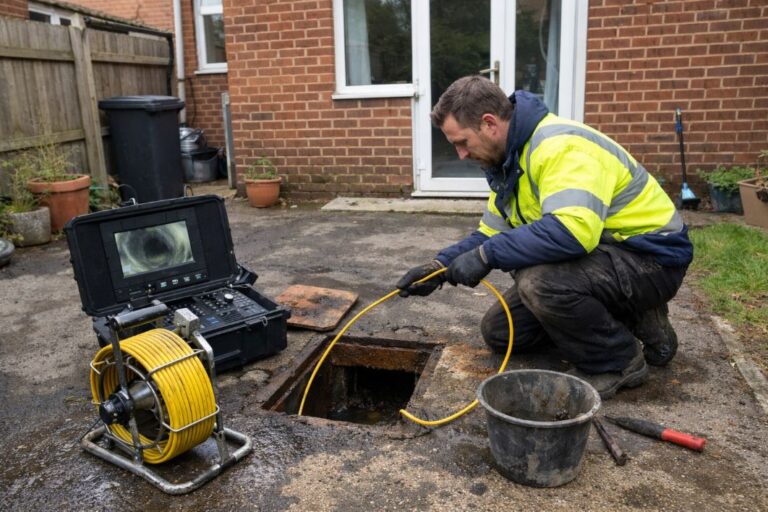
Book a Specialist Drain Survey
Gain peace of mind with a comprehensive drainage inspection tailored to your property.
A standard RICS homebuyer survey addresses visible aspects of the property and may only include cursory comments about surface drainage, such as guttering or signs of water ingress. However, it leaves several important questions about underground drainage unanswered.
Consider a scenario where new homeowners in Berkshire discover slow-draining sinks and persistent damp months after moving in. The homebuyer survey gave no cause for concern, yet the underlying problem was a collapsed drain deep below ground, detectable only through a specialist CCTV survey.
Key points often missed by standard RICS surveys:
Without a specialist drain survey, buyers can underestimate the risk of significant drainage faults. These omissions can have costly and disruptive consequences, especially if problems only come to light after legal completion or at the point of insurance assessment.
Overlooking the limitations of either survey can raise the stakes unexpectedly. Missing defects or drainage issues may cause:
For example, a business in Reading delaying a specialist survey might face a major drainage failure shortly after completion, impacting operations and leading to claims disputes with insurers. In cases like these, working with experienced providers such as 24Hrs Drainage can help identify issues early and reduce the risk of unexpected disruption.Such scenarios can be avoided when decision-makers understand where survey boundaries lie and plan accordingly.
Pro Tip: Combine findings from both surveys into your transaction or insurance file for streamlined future reference.
Request Homebuyer Survey Consultation
Speak with our RICS-qualified experts for clear guidance on your property purchase.
There are clear moments when a specialist drain survey becomes necessary. These often arise at points where stakes are high and general property inspections fall short.
Situations where a drain survey is warranted include:
Commissioning a specialist drain survey with local expertise, such as from providers accustomed to Reading and Berkshire cases, delivers clarity through documented footage and reporting. This evidence supports fast, confident actions around repair, compliance, and negotiation, minimising risk or ambiguity.

Before relying on any survey outcome, take a moment to ask:
Clarifying these points provides a stronger foundation for decision-making and reduces assumptions that might otherwise lead to oversights.
Survey limitations, if understood, allow buyers, sellers, and property professionals to fill the gaps before they become problems. Both drain surveys and RICS homebuyer surveys are valuable tools when used knowingly and in the right context.
The main points are clear:
For those facing high-stakes scenarios in Reading, Berkshire, or elsewhere, the lesson is to act pre-emptively. Clarity and evidence secure smoother transactions but also support compliance and reduce future costs or disputes. Taking an informed approach provides confidence, helping everyone involved address risk calmly and efficiently, particularly when supported by specialist insight from experienced providers such as 24Hrs Drainage.
Get a Property Risk Assessment
Understand all potential risks before you commit. Receive a complete report on drainage and structure.
24hrs Drainage Limited
33 Falmouth Rd, Reading RG2 8QR
0800 020 9198
Opening Hours:
Monday – Sunday : Open and available 24 hours per day
Drain Services
We provide Drainage Services across Berkshire, Hampshire, Surrey, London, Oxfordshire, and the surrounding areas.
Contact Us
If You’re Dealing With Blocked Drains Or Require Drain Repairs, You’ve Come To The Right Destination. Contact Our Team Today At 0800 0209198 For Professional Guidance And A Complimentary, No-Obligation Quote!
We are the premier providers of comprehensive drainage solutions in Reading and throughout Berkshire. With years of experience and a dedicated team of experts, we are your trusted partners for all your domestic and commercial drainage needs.
By subscribing, I agree for my data to be stored and used to receive newsand offers from 24hrs Drainage.
👋 Need urgent drainage help?
We’re available 24/7 in Reading and surrounding areas.
Tap below to speak with our drainage expert now.
Chat on WhatsApp
Fast response | No call-out charges | Nearby
WhatsApp us 24/7