

You don’t legally need a drain survey to get a mortgage in the UK. However, some lenders might request one if they spot potential risks. It usually comes up when something concerning appears during legal searches or survey inspections. If there are drainage warning signs or if the standard property survey doesn’t assess underground systems, a survey might be required. This is sometimes called a “mortgage drain inspection” or a “pre purchase drain survey”, and be carried out by drainage companies such as 24Hrs Drainage.

Your offer has been accepted, the mortgage process is underway, and then your solicitor brings up a drain survey. You hadn’t even considered the drains. This moment of surprise is common. Drainage rarely gets mentioned until something triggers concern during the process. The system doesn’t make it clear where drains fit in. One professional might say it is necessary, while another may not bring it up at all.
Drainage sits in a grey area between legal, structural, and environmental matters. Because no single party takes ownership of this issue, buyers are often left confused. Understanding that helps make the process easier to manage.
There is no nationwide rule requiring a drain survey for a mortgage. However, lenders can still ask for one if they believe it is needed. The terms used can sound similar but have different meanings. “Required” means the mortgage offer is dependent on it. “Advised” suggests the survey for peace of mind. “Recommended” indicates that a professional has highlighted a possible concern.
Each lender has different policies. Some may request surveys for older homes or if red flags are raised. Others will only ask if something unusual shows up in a search or survey report. Although not a blanket rule, a drain survey can still become part of your mortgage conditions.
From a lender’s perspective, the property is security for the mortgage. If issues arise, they need to know the property can still be sold. Drainage matters because damage can reduce property value. Poor drainage can cause structural problems. In some cases, drainage systems can make the property harder to insure. Lenders are not being overly cautious. They are simply looking for clear evidence that the house will not carry hidden costs in the future.
Pro Tip: Schedule your drain survey before contract exchange to avoid last minute mortgage delays.
Need a Drain Survey Fast?
Book a CCTV drain inspection with same-day reporting and lender-approved reports.
A drain survey is usually requested when something raises concern. This can include legal searches showing shared or unclear drainage, surveyor notes about pooling water or slow drains, or signs of previous repairs or damage. Sometimes, a survey disclaimer will state that underground systems have not been checked. These signs lead to further investigation. A drain survey helps confirm whether a problem exists.
Most buyers expect property surveys to cover everything, but drains are often excluded. A RICS Home Buyer Report only includes what is visible. It may mention signs of damp or surface water, but it will not assess underground pipes. Even a building survey will often state that drains are outside its scope unless requested separately.
Surveyors are not avoiding the task. It simply falls outside the default inspection. If you want to know the condition of the drainage system, you need a separate CCTV drain inspection. This is similar to a general health check. It examines basic indicators but doesn’t look deeper unless there’s a reason.
Many buyers misunderstand when a drain survey is actually necessary. Some believe every buyer needs one, but that is not true. Drain surveys are only required in specific circumstances. Another common myth is that building surveys automatically include drainage checks. In most cases, they do not. Some people also assume that if a problem is found, the sale will collapse. In reality, most issues can be resolved with a plan or negotiation. Being aware of these facts can reduce anxiety.
Pro Tip: If your surveyor mentions shared drains or surface water issues, assume follow-up will be needed.
Unsure If You Need a Survey?
Speak with one of our drainage experts to find out whether your mortgage may require one.
Yes, the type of property can affect whether a drain survey is needed. Older properties, especially those built before 1940, may have outdated or fragile pipework. If you are buying an old house, a drain survey is more likely to be recommended. Homes with shared drains often create uncertainty over who is responsible for maintenance. In these cases, a lender may include a shared drains mortgage clause or request additional checks. Rural homes can rely on private drainage like septic tanks or soakaways. These property types do not always present issues, but they do increase the chances of follow-up inspections.
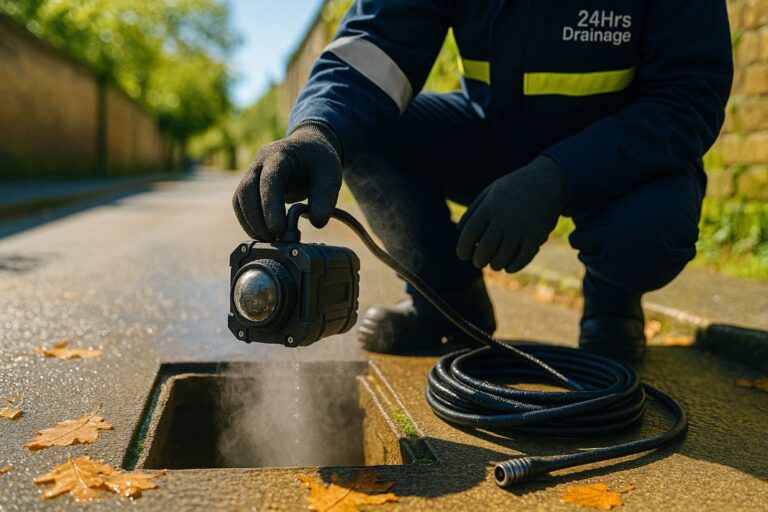
A CCTV drain survey uses a small camera to inspect the condition of underground drains. This survey provides factual details about what is happening below the surface. The results usually include a condition rating for the pipes, video footage, a map showing the location of any problems, and suggested actions. This report allows lenders to understand whether the issue is serious or minor. It replaces assumptions with documented information.
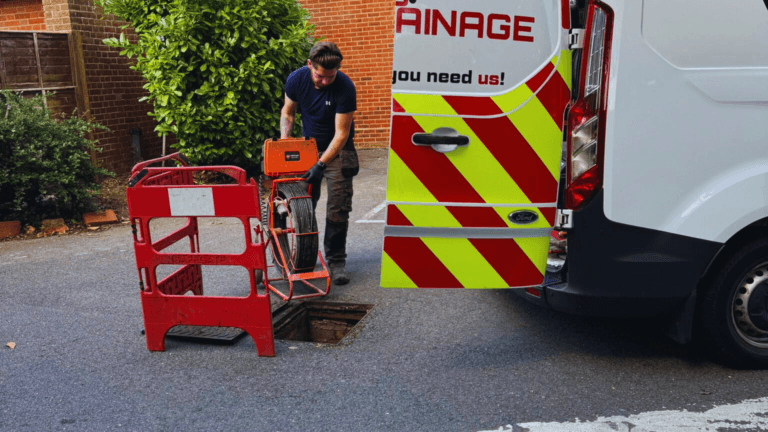
The process is straightforward. A technician opens access points to the drains. A camera is inserted into the system and records images as it moves through. The footage is reviewed to identify cracks, blockages, root intrusions, or misalignment. A report is created with photos and repair recommendations. The entire process typically takes one to two hours. The property owner does not need to be present, and there is no major disruption involved.
Finding a drainage issue doesn’t mean the purchase will fall through. Buyers have options:
Ask the seller to complete repairs before exchanging contracts.
Negotiate a reduced purchase price to cover the cost of work.
Provide the lender with written evidence that the issue is being addressed.
Agree to a mortgage retention, where funds are held back until the problem is resolved.
Only serious structural risks, such as collapsed drains, are likely to affect the mortgage decision directly. Even in those cases, lenders usually look for solutions, not cancellations.
A drain survey might cause short delays, but it rarely results in a blocked mortgage. Lenders usually respond in one of three ways:
Approve the mortgage with no further action.
Request repairs or additional evidence.
Pause the process until confirmation is provided that the issue is resolved.
Booking a survey early helps prevent hold ups. Most delays happen when the survey is arranged too late.
Often, it is. The typical cost is between £150 and £350, and it can help you avoid major repair costs later. A drain survey can:
Reveal hidden issues before they become serious.
Offer peace of mind during the purchase.
Help you budget for future maintenance needs.
Even if the lender does not require it, many buyers choose to have one as part of their due diligence. For older or unusual properties, it is a sensible precaution.
The best time to arrange a drain survey is after your mortgage valuation and legal searches but before the exchange of contracts. This approach allows time to:
Respond to any problems that arise.
Adjust your offer or make alternative plans if needed.
Avoid last minute surprises that could delay the process.
If your solicitor or surveyor raises a concern, it is better to act early rather than wait.
Several clues might suggest there is a drainage problem:
Unpleasant smells coming from sinks or drains.
Water draining slowly from basins or showers.
Pooling water near outdoor drain covers.
Gurgling noises when water drains.
Damp patches appearing at the base of external walls.
While none of these signs guarantee serious damage, they do suggest that further investigation is worthwhile.
When choosing someone to carry out the survey, it helps to ask the right questions:
Will the report be accepted by solicitors or lenders?
Do they include images or video in the report?
How long does it take to get the report back?
Do you need to be at the property during the visit?
Can they provide a quote for repairs if needed?
Clear answers to these questions can help avoid delays and give you a better understanding of the process.
Drain surveys are not meant to complicate things. They help highlight risks that may not be visible during a standard inspection. If someone involved in your purchase suggests one, they are likely trying to protect your long term investment. If you decide to proceed, companies such as 24hrs Drainage offer clear service and practical support. Understanding what is happening beneath the surface gives you the confidence and clarity to move forward, both of which matter when making a major purchase.
Worried About Drainage Issues?
Let us assess the risk before you commit. Get peace of mind with a pre-purchase drain survey.
24hrs Drainage Limited
33 Falmouth Rd, Reading RG2 8QR
0800 020 9198
Opening Hours:
Monday – Sunday : Open and available 24 hours per day
Drain Services
We provide Drainage Services across Berkshire, Hampshire, Surrey, London, Oxfordshire, and the surrounding areas.
Contact Us
If You’re Dealing With Blocked Drains Or Require Drain Repairs, You’ve Come To The Right Destination. Contact Our Team Today At 0800 0209198 For Professional Guidance And A Complimentary, No-Obligation Quote!
We are the premier providers of comprehensive drainage solutions in Reading and throughout Berkshire. With years of experience and a dedicated team of experts, we are your trusted partners for all your domestic and commercial drainage needs.
By subscribing, I agree for my data to be stored and used to receive newsand offers from 24hrs Drainage.
👋 Need urgent drainage help?
We’re available 24/7 in Reading and surrounding areas.
Tap below to speak with our drainage expert now.
Chat on WhatsApp
Fast response | No call-out charges | Nearby
WhatsApp us 24/7