
If a sink or toilet begins to back up, stop using water immediately and isolate the affected area. Avoid attempting to clear it yourself, as DIY actions can worsen the situation. Seek professional assistance straight away to prevent property damage, health risks, or legal complications.

Pro Tip: If you live in a shared property, taking video of the backup before any cleanup can support future liability discussions.
A minor sink blockage may clear with minimal effort. But when water begins to rise unexpectedly or returns through a toilet or shower, the issue is rarely contained to one fixture. Recurring problems, worsening smells, or unusual noises are all signs that the drainage system as a whole could be compromised.
One common misjudgement is assuming that if the water eventually drains away, there is no cause for concern. Timing, however, matters. A slow-moving blockage can develop over days, even weeks, before it breaks containment. At that point, the risk increases sharply, particularly for homes, flats, or commercial properties where environmental health rules or tenancy obligations come into play.
In buildings with shared drainage, a localised backup often affects multiple units. This blurs responsibility and can delay action if no one takes the lead. Property management teams, water companies, or neighbours may need to be involved, especially where lateral drains are shared beyond boundary lines.
A backup crossing into important areas such as kitchens, bathrooms, or food outlets can breach environmental or safety regulations. Local authorities or insurers may view delay as neglect if contaminants have entered habitable spaces. The moment a routine issue threatens property conditions or hygiene, it becomes a compliance and documentation matter, not just an inconvenience.
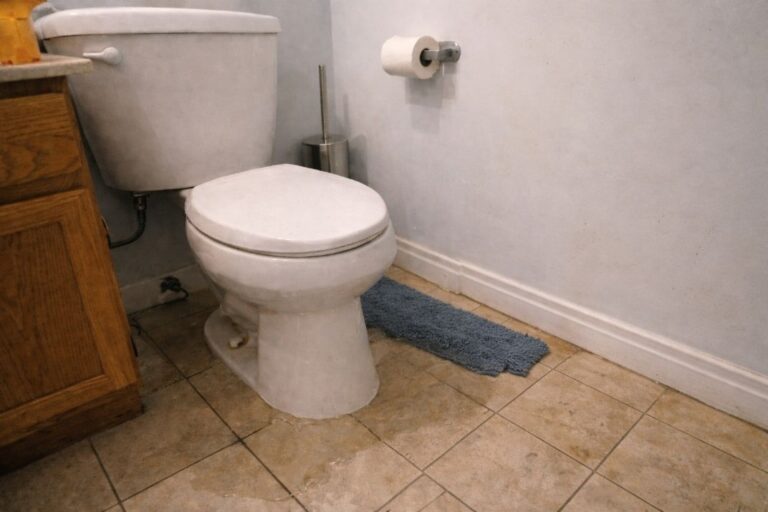
When a sink or toilet begins to back up, the cause often lies beyond what is visible at the fixture itself. Several underlying issues can trigger this behaviour, many of which indicate that the blockage is further down the system.
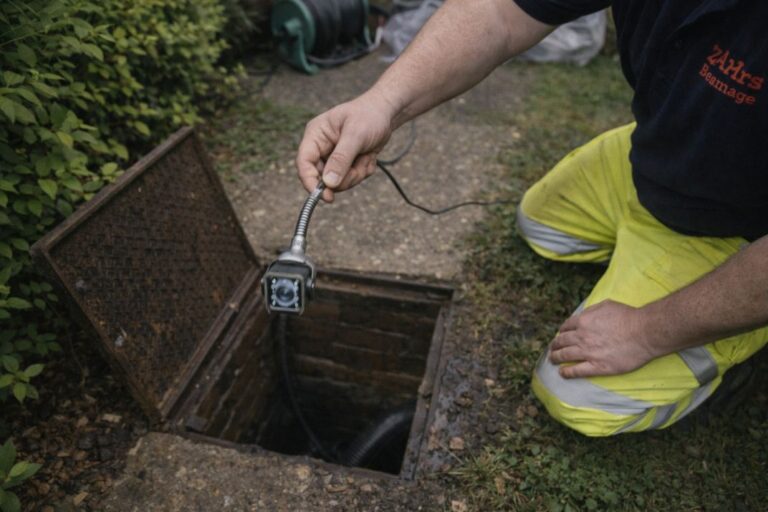
Fixtures backing up repeatedly indicate the problem is systemic. Without accurate diagnostics, such as a CCTV drain survey, attempts to clear it may only provide temporary relief.
Book a Drainage Expert Now
Acting quickly protects your property and reduces further risk. Our technicians respond fast with clear, professional service.
Once a wastewater backup starts, each hour of delay can increase cost, liability, and damage.
Property damage: Contaminated water can seep below floors and into wall cavities. Soaked materials may need replacing, and drying processes take time and specialist equipment.
Insurance risk: Many policies require prompt action once a drainage failure occurs. Insurers may question claims where delay worsened the extent of the damage, especially without evidence of attempted mitigation.
Business disruption: For commercial premises, even partial drainage loss can shut down operations. Hospitality, healthcare, and retail sites are particularly sensitive to downtime and contamination.
Health and hygiene: Foul water in homes or buildings poses a genuine health risk, particularly in spaces shared by multiple occupants. Environmental Health officers can issue formal notices or fines where hygiene standards are breached.
Tenancy or regulatory breach: Landlords and facilities managers are held to specific standards. Avoiding escalation is about fixing the issue, but also demonstrating swift compliance once a problem is known.
Delay often changes the equation, from inconvenience to liability. Fast action protects more than plumbing.
When you see water rising in a sink or toilet, or returning after flushing, response speed combined with the right steps is important.
Containment and escalation are the most effective early actions. Resolution requires skilled assessment and correct technique.
Pro Tip: Avoid using wet vacs or clearing tools on foul water unless you have the correct PPE and containment setup.
Schedule a CCTV Drain Survey
Uncover the root cause with high-precision diagnostics. Our surveys come with full reports and video evidence.
Drainage backing up in a terraced house, flat, or shared unit is often related to communal systems. These situations can lead to confusion or avoidance about who should act first.
“Is it my responsibility?” If the affected drain connects to a larger shared system before it reaches the public sewer, it may be classified as a lateral drain. In many cases, the water company is responsible from the boundary onwards, but this depends on location and system design.
“What if neighbours are unaffected?” This does not mean the problem is exclusively yours. Shared systems often back up unevenly due to pipe gradient or varying levels. Others may experience issues later if the cause remains unresolved.
“Can I act without landlord or neighbour input?” Yes, if the issue affects your living or working space and risks damage. Getting professional evidence early can support any later discussions or claims.
“Do I need to involve my property manager?” Yes, especially in managed blocks or commercial units. Delayed notification can affect liability outcomes.
A drainage contractor experienced in shared systems can provide neutral documentation and clarify legal boundaries if needed.
Clearing a blocked fixture is not always the same as solving the system fault behind it. When drains begin backing up, professional involvement changes what happens next in several ways.
In high-stakes situations, resolving symptoms is not enough. Documentation also matters. Whether for insurers, letting agents, or regulatory bodies, confirmation that action was taken promptly can make a material difference to financial outcomes.
Not all drainage providers are equipped to respond effectively when backups put property, compliance, or operations at risk. Choosing the right support involves several key factors.
In urgent or complex cases across Reading and Berkshire, 24hrs Drainage provides rapid response supported by technical diagnostics and reliable documentation. For situations where delay carries risk, professional involvement is not just helpful. It is necessary.
Speak with a Drainage Advisor
Confused about ownership or next steps? Get advice tailored to your property or situation.
24hrs Drainage Limited
33 Falmouth Rd, Reading RG2 8QR
0800 020 9198
Opening Hours:
Monday – Sunday : Open and available 24 hours per day
Drain Services
We provide Drainage Services across Berkshire, Hampshire, Surrey, London, Oxfordshire, and the surrounding areas.
Contact Us
If You’re Dealing With Blocked Drains Or Require Drain Repairs, You’ve Come To The Right Destination. Contact Our Team Today At 0800 0209198 For Professional Guidance And A Complimentary, No-Obligation Quote!
We are the premier providers of comprehensive drainage solutions in Reading and throughout Berkshire. With years of experience and a dedicated team of experts, we are your trusted partners for all your domestic and commercial drainage needs.
By subscribing, I agree for my data to be stored and used to receive newsand offers from 24hrs Drainage.
👋 Need urgent drainage help?
We’re available 24/7 in Reading and surrounding areas.
Tap below to speak with our drainage expert now.
Chat on WhatsApp
Fast response | No call-out charges | Nearby
WhatsApp us 24/7