Drain Jetting Reading vs Rodding: Which One Should You Book?

What is the difference between drain jetting and rodding for unblocking drains in Reading?

Drain jetting uses high-pressure water to clean or clear blockages, while rodding employs sturdy rods to mechanically dislodge obstructions. Drain jetting is better for persistent or widespread problems, whereas rodding often suits localised or simpler blockages.

Table of Contents

Pro Tip: Always check the age and condition of your pipework before selecting high-pressure jetting to avoid unnecessary damage.

Understanding drain jetting and rodding: what’s the difference?

Blocked drains demand urgent, effective solutions, especially when delay could affect property sales, business operations, or legal compliance. Understanding the difference between drain jetting and rodding helps ensure that decisions taken under pressure stand up to scrutiny later.

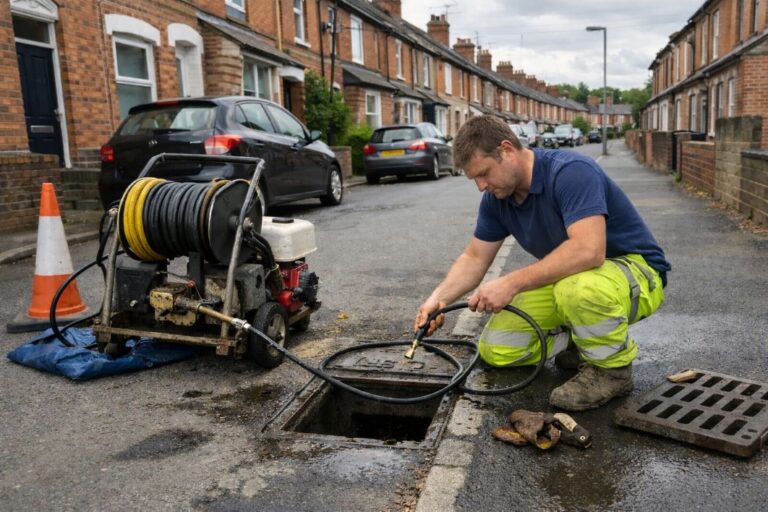
Jetting involves pumping water at high pressure through special hoses, clearing debris, fat, roots, and hardened waste. The force cleans the blockage but also residue along pipe walls. Jetting is widely used for stubborn or widespread issues where a swift, thoroughly documented result is required.

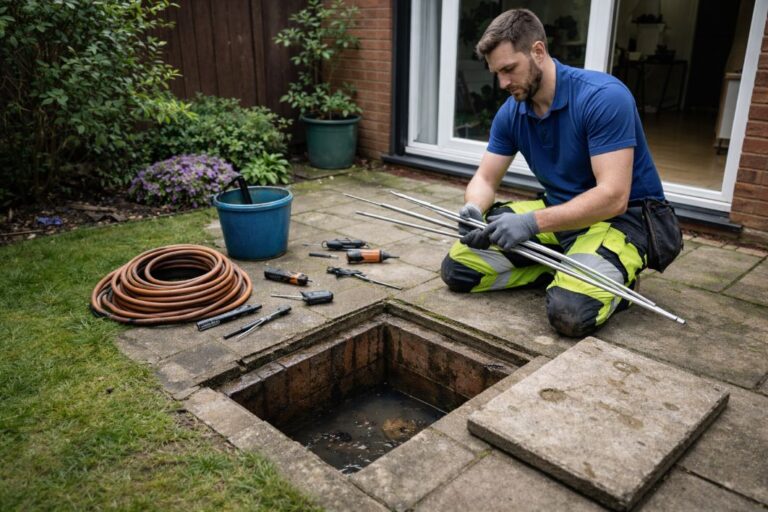
Rodding, by contrast, uses a series of connected rods that are pushed manually through access points, targeting blockages that are within easy reach or caused by minor obstructions. It is especially common on smaller domestic pipes or in situations where jetting could risk damaging old or fragile systems.

Misunderstandings sometimes arise about which method is “stronger.” In reality, each has situations where it is not suitable, jetting might be excessive for simple or loosely compacted debris, while rodding may lack the power for tough blockages. In Reading and Berkshire, where drainage infrastructure varies from new builds to heritage homes, selecting the right method is about balancing risk, urgency, and the likelihood of recurrence.

Book a Professional Assessment

Receive a comprehensive evaluation of your drainage issue in Reading with clear recommendations for next steps.

Arrange Assessment

When is drain jetting the right choice?

Deciding when to use drain jetting often comes down to the nature and stakes of the blockage. High-pressure jetting is suited to:

  • Persistent or recurring blockages that resist manual intervention
  • Fatbergs, root ingress, or scale build-up in pipes
  • Situations requiring thorough cleaning, such as for compliance or insurance documentation
  • Emergency call-outs where delay could cause flooding, health hazards, or business interruption


Jetting is also preferred during commercial drainage incidents, where hygiene, speed, and verifiable outcomes are important. Insurers and regulatory bodies often favour jetting when proof of thorough clearance is required for claims or compliance reports.

However, not all pipes can tolerate high-pressure jetting. Older, damaged, or undersized systems may require assessment before applying this method. The Health & Safety Executive and industry standards, including those set by the WRc, recommend professional oversight to avoid unintentional pipe damage or overflow.

For urgent problems in Reading, jetting is chosen precisely because it provides reliable, immediate clearance, keeps businesses operational, and supports compliance with local authorities and insurers. In urgent situations where time and documentation are critical, jetting provides a solution backed by evidence and professional accountability.

Pro Tip: Keep detailed records and photographs of any drain clearance for insurance and compliance purposes.

Request Emergency Drain Clearance

If drains are blocked and urgent action is needed, our rapid response team is available to restore flow quickly.

Request Immediate Help

When is rodding more appropriate?

Mechanical rodding remains highly practical in certain settings, especially where access is constrained or the blockage is minor. Rodding is particularly effective when:

  1. The blockage is localised near an accessible point
  2. Pipework is fragile due to age or material
  3. Disruption must be kept to a minimum, such as in residential properties with delicate landscaping
  4. There is uncertainty about pipe condition, making jetting unsuitable


Rodding is often used during early-stage diagnostics or to quickly restore flow when obstructions are limited in size and scope. Compared to jetting, rodding introduces less water and requires no external power or specialist vehicles, which can reduce cost and disturbance in the right situations.

However, rodding may not fully clear residues or prevent future build-up, especially in commercial or heavily-used pipes. Property managers and building regulations sometimes recommend rodding for older drainage layouts, provided the expected outcome aligns with the urgency of the underlying risk.

Misconceptions about rodding’s effectiveness often stem from using it in circumstances better suited to jetting. When selected for its strengths, access, control, and gentle intervention, and rodding is a dependable choice.

Risks, costs, and consequences: what’s at stake?

The decision between jetting and rodding carries practical implications, especially in high-pressure situations that are common in Reading and Berkshire. Choosing the wrong option, or delaying action entirely, can escalate costs and operational risks.

Key consequences include:

  • Escalation of damage: Unresolved blockages may result in flooding, structural damage, or contaminated environments.
  • Downtime: Businesses can face lost revenue and missed contractual obligations while waiting for clearance.
  • Insurance and compliance: Incomplete or undocumented interventions risk invalidating insurance claims or breaching regulatory terms.
  • Emergency response costs: Delays often lead to more complex and costly interventions later.
  • Liability: Shared property or commercial sites face disputes if intervention is inadequate, raising potential for legal or financial exposure.


Each risk is compounded when the original problem is minor but left untreated. In urgent scenarios, accurate records and compliance with local council or environmental expectations matter as much as technical resolution.

Making the right choice in Reading: key decision factors

Selecting between jetting and rodding requires a clear view of the problem, the urgency, and the surrounding context. Professionals operating throughout Reading and Berkshire use a decision framework that addresses these factors directly.

  1. Nature and location of the blockage: Is it localised or widespread, and is access straightforward?
  2. Pipe condition and material: Are pipes old or fragile, potentially at risk from high-pressure jetting?
  3. Urgency and operational impact: Will delay amplify risk to property, business continuity, or compliance?
  4. Requirement for compliance and documentation: Is formal proof of clearance or risk mitigation required by insurers or regulators?
  5. Availability of specialist support: Can local expertise be deployed quickly, bringing not just equipment but situational understanding?


24hrs Drainage, known for its calm professionalism and readiness to support high-stakes cases across Reading, applies these criteria to every call-out. The focus remains on outcome assurance, not just process.

For property owners, managers, and businesses, the most reliable path involves assessing whether the blockage is minor and easily reached (favouring rodding), or persistent and high-impact (favouring jetting). Where circumstances are unclear, or the risk to property, operations, or compliance is significant, professional involvement minimises both uncertainty and future liability.

Taking the right step now, with professional assessment, helps preserve property value, compliance standing, and peace of mind.

Consult for Commercial Properties

Ensure your business premises meet compliance and operational standards with tailored drainage solutions from experienced professionals.

Book Consultation

24hrs Drainage Limited

33 Falmouth Rd, Reading RG2 8QR

0800 020 9198

https://24hrsdrainage.co.uk/

Opening Hours:
Monday – Sunday : Open and available 24 hours per day