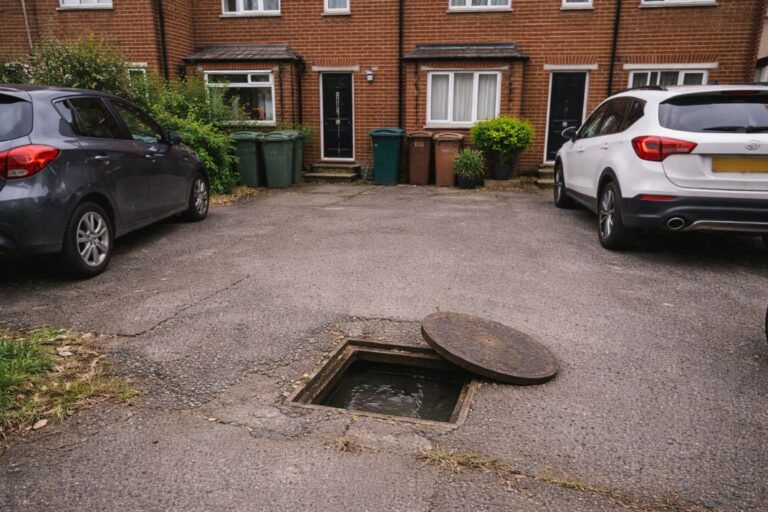
Overflowing External Manhole: What to Do Immediately to Limit Damage

What should you do immediately if an external manhole is overflowing?

Act promptly but calmly. An overflowing external manhole can damage property, breach compliance, and pose health risks. Start by knowing the scale, avoiding unsafe actions, and contacting a qualified drainage specialist without delay.

Table of Contents

Pro Tip: When documenting damage, include both wide shots and close-ups to show scale and detail.

Understand the risks without escalating panic

An overflowing external manhole is more than an unpleasant sight. It can signal a significant problem with liability and environmental implications. Left unchecked, it can lead to structural damage, public health concerns, and costly remediation.

The issue may involve:

  • Foul water entering public areas or private gardens
  • Surface flooding that seeps into buildings or electrical systems
  • Escalation into an Environmental Agency matter due to contamination
  • A breach of building insurance conditions if unreported
  • Disputes arising from shared drainage or unclear ownership


Misjudging the urgency can be expensive. If an outside drain is backing up or sewage is visible, the situation crosses from nuisance into risk. In some cases, failure to act swiftly could also compromise future insurance claims.

Book a Professional Drainage Survey

Confirm the cause of the overflow and prevent future issues with a structured drain inspection.

Arrange a Survey

Determine who is responsible: private or shared?

Before taking the next step, establish who owns the affected stretch of drainage. This determines responsibility for cost, repair, and communication.

  • If the manhole is within your property boundary and only connected to your home or building, it is likely a private drain. You are typically responsible for addressing it.
  • If the manhole lies outside your boundary or serves multiple properties, it may be classified as a shared sewer. In that case, a registered water utility (such as Thames Water) may be responsible.

Check your property’s title deeds or contact your water company for clarification. If you live in a block of flats or estate, liaise with the managing agent to understand collective responsibilities.

Avoid assuming the issue is yours to fix without confirming boundaries. Misjudging this point can lead to unnecessary expense or delays.

Contain the impact safely, without DIY fixes

The instinct to intervene often runs strong, especially when water is visibly spreading. However, many actions carry risk. The focus should be on limiting the damage, not solving the cause.

Do:

  1. Keep people and pets away from the affected area, especially children.
  2. Block entry points to buildings using sandbags or temporary barriers.
  3. Redirect runoff, where safe, away from structures or electrical systems.
  4. Notify neighbours if shared drainage might be affected.
  5. Alert building management, if applicable, to initiate further action.

Do not:

  • Attempt to lift manhole covers or force water to drain manually.
  • Use chemical drain cleaners, which can worsen blockages or create hazards.
  • Handle any material unless wearing appropriate protective equipment.
  • Assume it is safe to wade through or clean without knowing the source of contamination.

Containment is acceptable only when actions are safe and clearly limited. Beyond that, intervention should wait for qualified help.

Pro Tip: Contact your water utility directly with your postcode to confirm whether the sewer is private or shared.

Speak to a Drainage Emergency Expert

If sewage is entering your property or spreading outside, immediate help is available at any hour.

Contact Emergency Support

Record what’s happening and when

Clear, time-stamped documentation does more than cover you legally. It supports future insurance claims, damage assessments, and third-party negotiations.

At the earliest safe opportunity, record the following:

  • Photographs of the overflow site, including angle, spread, and affected zones
  • Dates and times, ideally shown in the images for reference
  • Short videos, if movement of water or spread could demonstrate escalation
  • A brief log of related events, such as when it was first noticed or a neighbour’s involvement


Documentation should begin as early as possible and continue as the situation evolves. Once professionals are involved, ask whether they will provide a formal drainage report. This may be required by insurers or landlords later on.

Common mistakes that increase the damage

In the heat of the moment, well-meaning decisions can make things worse. These are the five missteps to be aware of:

  1. Lifting the manhole cover This is physically dangerous and can expose you to toxic gases or harmful bacteria. It also risks degrading the structural integrity of the cover or frame.
  2. Using off-the-shelf chemicals Household unblockers are rarely effective in external drainage issues and can create dangerous chemical mixtures if professionals later intervene.
  3. Calling the wrong department Reporting the issue to a generic council service line or the wrong utility can introduce delays. Responsibility needs to be determined first.
  4. Guessing the cause Assuming it is “a simple blockage” or “probably tree roots” can lead to underestimating the urgency. Only a survey can confirm the real source.
  5. Ignoring it overnight or over the weekend Waiting can invalidate insurance claims, increase damage to surfaces and structures, or worsen contamination exposure.


These actions are understandable but avoidable. In most cases, doing less is safer than doing the wrong thing.

When to involve a professional

Some issues move quickly from inconvenient to untenable. Knowing when to escalate is key.

Professional help is no longer optional if:

  • Sewage or water is entering a building, or flowing toward it
  • There is a persistent odour or visible contamination
  • The overflow is affecting multiple properties
  • You are unable to determine who is responsible
  • An authority (council, insurer, landlord) has requested urgent evidence or action
  • The drain continues to back up after multiple hours


When stakes are high, outcomes depend on correct handling. A specialist drainage company, such as 24hrs Drainage, can provide controlled response, documentation support, and rapid resolution, even outside standard hours.

What happens after the initial response?

Once the overflow is addressed, longer-term attention may still be needed. Resolving the event is separate from repairing, reporting, and preventing recurrence.

Key follow-up elements include:

Remediation This may involve drain repair, structural reinstatement, or disinfection of affected areas. In rented or managed property, this often includes formal reporting.

Reporting Insurers or managing agents may request an incident summary, drainage report, or confirmation of cause. Having detailed documentation supports this stage.

Claims Discuss coverage timelines and conditions with your insurer. Some may require authorised contractors for future work or specify eligibility criteria for claims linked to environmental issues.

Prevention A post-incident drain survey may be advisable to identify underlying risks or emerging defects. Prevention often depends on proactive monitoring, not just reactive fixes.

Facing an overflowing manhole is rarely convenient, but it does not have to become a prolonged crisis. Prompt, measured action supported by appropriate expertise gives the best chance of restoring order quickly and confidently.

Request a Drainage Report for Insurance

Need a report to support your insurance claim or council request? We can provide fast, insurer-approved documentation.

Get a Drainage Report

24hrs Drainage Limited

33 Falmouth Rd, Reading RG2 8QR

0800 020 9198

https://24hrsdrainage.co.uk/

Opening Hours:
Monday – Sunday : Open and available 24 hours per day