Why Berkshire Restaurants Need Regular Grease Trap & Drain Maintenance Before Peak Season

Why does peak season create extra strain on restaurant drains?

During peak trading periods, restaurant kitchens in Berkshire face higher service volumes and more intense kitchen throughput. This increase leads to more wastewater and grease entering drainage systems over shorter timeframes, placing significant operational strain on infrastructure that may perform adequately during quieter months.

Picture a summer evening: every table is filled, turnover is rapid, dishwashing is non-stop, and food prep continues constantly. While the team keeps up, the drainage system operates in the background under increasing pressure. The issue is not poor design or outdated plumbing. Seasonal surges in demand push fixed systems to their threshold.

Saying “it worked last year” doesn’t guarantee success now. Shifts in staff, menu changes, and gradual wear all add up. Drainage systems have a fixed capacity, but restaurant demand does not. That mismatch is where problems begin.

Table of Contents

How do grease traps behave differently when kitchens get busier?

Grease traps are installed to separate FOG (fats, oils, and grease) from wastewater before it flows into the main drainage system. In quieter periods, they have enough time, called retention time for this separation to work effectively. When kitchens become busier, the flow rate increases, and retention time shortens.

With less time in the trap, grease doesn’t have a chance to rise and separate. It slips through and accumulates further along the pipes. The trap may look fine from the outside, but its performance drops. It is similar to a coffee filter hit with too much water, some still passes through, but most bypasses the filtering.

This reduced separation efficiency is the reason grease traps need checking before volume increases, not just on a set schedule. Drainage engineers may also inspect flow restrictions or pipe diameter limits that affect trap performance.

How busy service accelerates blockages and overflows without anyone realising

During fast paced service, even small changes in staff behaviour can create bigger problems. Scraping gets skipped, rinsing speeds up, and more waste ends up down the drain instead of in the bin.

Hot water helps speed cleaning but also turns grease into an emulsified state. It passes through the trap temporarily, then re-solidifies in pipes further along. With more people and more dishes, build-up becomes unavoidable unless checked early.

None of this is the team’s fault. It is simply a natural result of operating at full capacity. Prep downtime and disrupted service windows are common consequences when blockages are not addressed early.

Why problems appear ‘suddenly’ but are not

Drainage systems do not usually fail without warning. The signs, unpleasant smells, slower drainage, gurgling sinks, are there, just easy to overlook when everything still works.

These signs do not always interrupt service. They remain unnoticed until the system reaches a tipping point.

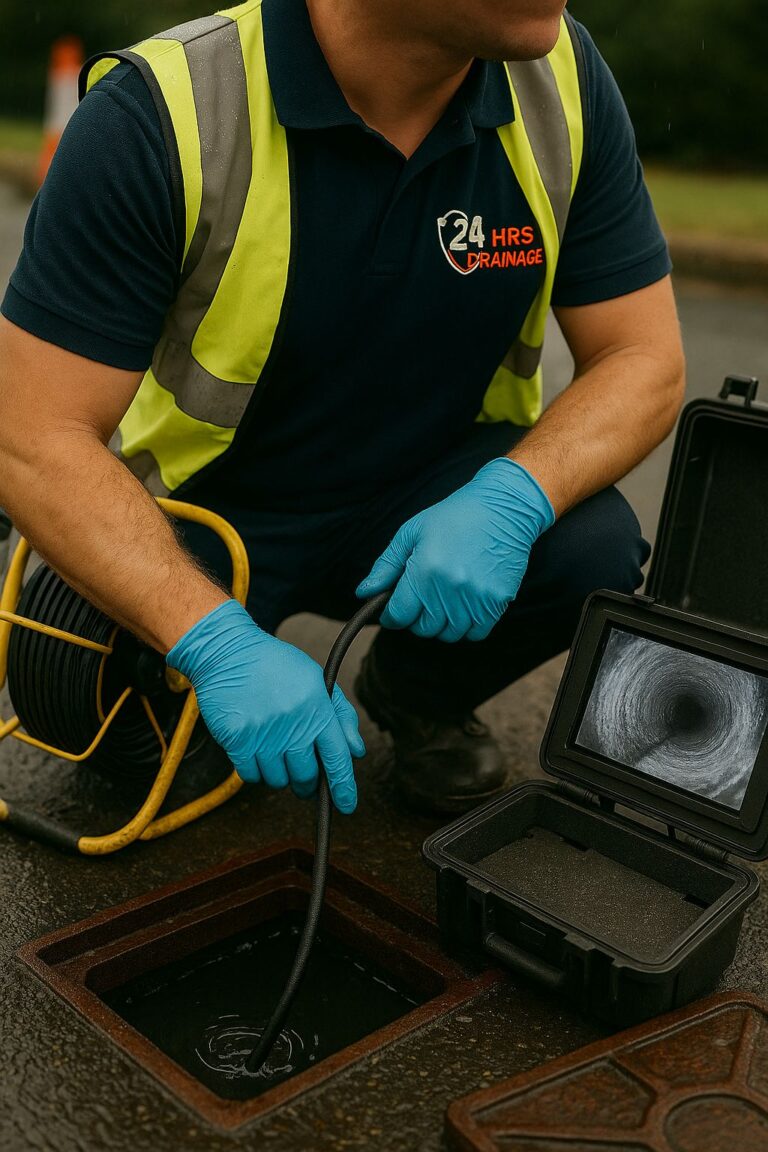
A CCTV drain survey can uncover these faults before they disrupt service. It reveals what cannot be seen from the surface. Preventative maintenance is most effective when done before peak demand begins.

Common early warning signs of drainage stress

Watch for these early signals that your kitchen drains may be struggling:

  1. A faint or lingering odour near sinks or floor drains

  2. Water draining noticeably slower than usual

  3. Gurgling or bubbling noises from plugholes

  4. Standing water during or after dishwashing

  5. Small backflows when multiple sinks are used

Noticing one of these does not always mean failure is imminent. Together, they suggest your system is under pressure.

Pro Tip: Always schedule inspections a few weeks before your expected rush, not the week of.

Book a Pre Season Drain Inspection

Stay ahead of blockages and avoid costly disruptions with our pre-season check up for restaurants.

Schedule Your Inspection

What a drain failure really costs during peak season

When a drain blocks during peak trading, the impact is immediate and wide reaching. It is not only about the plumbing invoice. The real loss is in the disruption.

  • Lost bookings and cancelled tables

  • Kitchen stations or sections closed

  • Wasted prep and idle staff

  • Negative experiences and complaints from diners

  • Operational downtime and loss of peak trading hours

  • Front of house service delays and reduced cover turnover

One night of disruption can affect the rest of the season. Remaining fully operational during peak periods relies on functioning infrastructure.

Why regular maintenance matters more before the rush than after

Scheduling maintenance before your restaurant hits peak activity prevents stress later. It allows problems to be resolved early, avoiding emergency repairs when you can least afford them.

This saves time, reduces disruption, and allows your team to focus on service. Preventative action always costs less than reactive fixes. Regular system flushing and inspection chamber checks reduce the risk of emergency work.

How early maintenance reduces emergencies and disruption

Scheduled servicing, with companies like 24Hrs Drainage, such as high pressure water jetting, removes build up and keeps water flowing. It also cuts down the chances of emergency callouts when time is tight.

With drains and traps maintained:

  • Service continues without interruption

  • Health inspections go more smoothly

  • Staff work confidently, knowing systems will cope

  • Margin impact is minimised by keeping operations stable

That assurance provides real value during busy periods.

Pro Tip: Shared drainage in town centres increases your risk even if your kitchen runs perfectly.

Emergency Plumbing Support for Kitchens

When the worst happens, get rapid response from specialists who understand restaurant service hours.

Get Urgent Help Now

What Berkshire restaurants should consider when planning pre season maintenance

Why shared pipework and older buildings pose extra risk

Restaurants in older buildings or town centres often share pipework with neighbouring properties. This increases the chance of cross over blockages and hidden issues. A nearby business with poor drainage can cause problems in your kitchen.

Knowing your building’s layout and plumbing setup helps you plan maintenance more effectively. Town centre drainage layouts, shared access points, and heritage building plumbing systems all contribute to localised risk.

Planning ahead also prevents last minute delays. If you leave it too late, you could be queuing for help when everyone else is too. Local authority guidelines may also influence timing or access.

By adding grease trap and drain servicing to your seasonal checklist, you protect both your business and your peace of mind.

Frequently Asked Questions

How often should we clean our grease trap?
This depends on usage, but most busy restaurants should clean traps at least every 1–3 months. Heavy FOG usage may require more frequent checks.

When is the best time to service drains?
Just before peak season is ideal. This ensures systems are clear and ready before demand increases.

Do Environmental Health Officers check drains?
They may not inspect drains directly, but poor drainage or hygiene issues linked to backups can affect inspection outcomes.

What are the signs our drains are under strain?
Look for bad smells, slow drainage, gurgling noises, or occasional backflow. These are all signs the system needs attention.

Is pre season servicing more cost effective than emergency repair?
Yes. Planned maintenance is almost always cheaper, faster, and far less disruptive than an emergency callout during service.To book call 24Hrs Drainage.

Set Up a Regular Grease Trap Cleaning Plan

Protect your business year-round with scheduled trap and drain servicing tailored to your kitchen’s volume.

Start a Maintenance Plan

24hrs Drainage Limited

33 Falmouth Rd, Reading RG2 8QR

0800 020 9198

https://24hrsdrainage.co.uk/

Opening Hours:
Monday – Sunday : Open and available 24 hours per day