Avoid a Boxing Day Plumbing Disaster: Drain Maintenance Tips Before the Holidays

Why is Boxing Day a high-risk time for plumbing issues?

Boxing Day might seem like the ideal time to unwind, but your plumbing doesn’t share the same luxury. With extra cooking, frequent bathroom use, and increased water demand, your drains take a beating. Blocked drains after Christmas are surprisingly common. Fats, oils, and grease (FOG) entering the sink, paired with guest-related toilet misuse, heighten the chance of plumbing issues. The added water use compounds the pressure. Water UK and the British Plumbing Employers Council report a notable increase in plumbing callouts over the holidays. Postponing maintenance until the New Year often backfires. When excess water load meets existing strain, drain systems reach their limit.

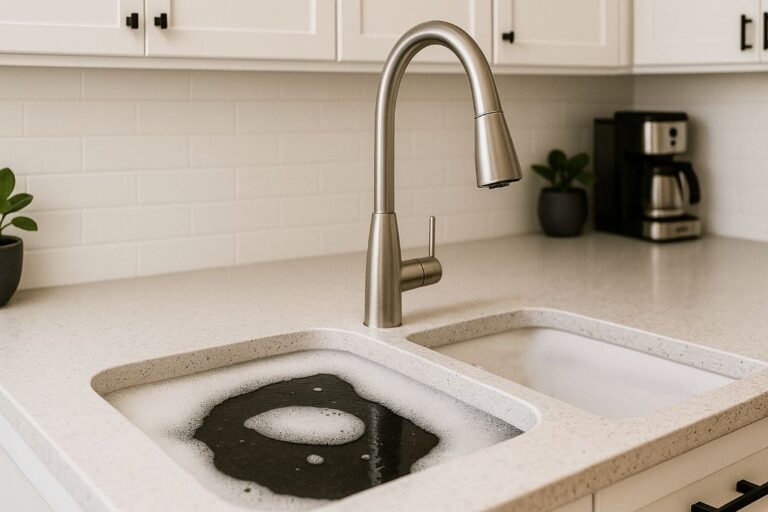
Plumbing issues often provide early warning signs. If you notice persistent smells in the kitchen or bathroom, water draining slower than usual, or gurgling and bubbling sounds in pipes, these could all be signs your system is under stress. Another major red flag is toilet water rising or failing to flush properly. During the holidays, these minor issues can quickly escalate, increasing the risk of festive plumbing emergencies.

Several factors contribute to drain failure during festive periods. The most common include food scraps and grease clogging kitchen pipes, increased shower and toilet use, and older or communal drainage systems being pushed beyond their capacity. Excess domestic water strain caused by activities such as repeated dishwasher cycles or heavy laundry loads can also trigger plumbing issues. Knowing what to expect makes it easier to prepare and prevent problems before they occur.

Table of Contents

Spot the Weak Points in Your Home’s Drainage System

The parts of your plumbing most at risk are often easy to find with a quick walkthrough. In the kitchen, check under the sink for damp patches or signs of leakage. Pay attention to musty or sour smells around the plughole and listen for bubbling sounds when water drains. These are early signs of drain misuse, sediment build-up, or backflow.

In the bathroom, pooling water in sinks or showers often points to a clog forming. Sour or sulphuric odours could suggest trapped food residue or stagnant water in the drain trap. Hair and soap residue build up quietly and can drastically slow drainage if not cleared regularly. Guest areas deserve equal attention. Run water in guest bathrooms to flush standing water and test the toilet for proper flushing. If flushes are delayed or weak, that may point to blocked vents or joint seals.

Outside the house, check for multiple drain covers. These often indicate shared drainage with neighbours. After using appliances or during rainfall, observe whether exterior drains clear efficiently. Any puddling or pooling could mean restricted outflow. UK home drainage systems vary, so checking regularly can help spot issues before they escalate. Thames Water and HomeServe UK recommend checking for issues such as worn joint seals, clogged drain traps, and slow drainage, as these can all be early indicators of more serious system overload.

Room-by-Room Early Warning Signs

Each room can offer different signs that trouble is brewing. In the kitchen, slow drainage, sour odours, and bubbling noises are the most common alerts. In bathrooms, pooled water in basins, odd smells, or rising toilet water should all raise concern. Guest bathrooms might reveal longer flush times or stale smells, particularly if they have not been used in a while. Outdoors, check for water pooling around drain covers after rainfall or appliance use. This may indicate that external drainage is not coping. According to local authority waste guidelines, homeowners should monitor these signs closely during high-use periods.

Pro Tip: Always test your stopcock before guests arrive to avoid delays in emergencies.

Get Your Drains Checked Before the Holidays

Book a pre-Christmas drain inspection to avoid costly emergencies.

Schedule Your Drain Check

Your Pre-Holiday Drain Prep Plan: What to Do and When

Breaking your preparation into daily tasks keeps it manageable. Seven days before guests arrive, use an enzyme-based cleaner to begin breaking down any organic build-up inside kitchen and bathroom drains. Remove and rinse strainers to stop food or hair from accumulating. Investigate any bad smells or signs of slow drainage. These are often the first clues that something may be blocking the system.

Three days out, flush hot water through all drains to loosen hidden grime. Pour a mix of bicarbonate of soda and vinegar down plugholes to reduce odours and clean pipe walls naturally. Inspect U-bends and joints for any signs of leakage such as damp patches or mildew. This is the best time to spot and deal with small issues before the house fills with guests.

The night before guests arrive, flush every drain with boiling water to remove grease or residue. Empty food traps in the kitchen and clean shower hair guards. Finally, check that your stopcock can be easily accessed and turns properly. This becomes crucial if you need to shut off water quickly in an emergency. NICEIC and UK plumbing forums consistently advise using natural cleaners. These help maintain flow without damaging your pipes. Following a holiday drain checklist at this stage ensures your system is ready.

Holiday Cooking? Here’s How to Protect Your Kitchen Drains

The kitchen sees more action than any other room during the holidays. This makes it the most likely place for a blockage to form. Before you start cooking, fit strainers to both sinks to catch food scraps. Check that your sink drains freely. Prepare a jar or tin to collect leftover fats, oils, and grease instead of tipping them down the sink.

While cooking, wipe greasy pans with kitchen roll before washing them. Dispose of food scraps in the bin. Empty sink strainers regularly to avoid slow water flow. After cooking, allow grease to cool before transferring it into your waste container. Run hot water with a splash of washing-up liquid to help flush away any remaining residue. If your dishwasher runs repeated cycles, this can add strain. Space out loads where possible. Continuous appliance use can significantly raise the risk of kitchen sink overload, especially when paired with poor FOG disposal.

Grease might seem harmless when warm, but it quickly becomes a problem. As it cools inside pipes, it hardens and forms a sticky layer that traps other debris. This gradual build-up often leads to full blockages. Washing-up liquid may move it further along the pipe, but it will not dissolve it. Defra and Love Food Hate Waste UK both advise binning leftover grease, not rinsing it away. UK plumbing regulations also discourage grease disposal via kitchen sinks. This is due to the environmental impact and high risk of sewer backup.

The Science Behind FOG Build-Up

When hot grease touches the cold inner walls of pipes, it begins to solidify almost immediately. This hardened layer becomes sticky. It catches food particles and eventually restricts water flow. Over time, this becomes a solid mass that blocks your drain entirely. Contrary to popular belief, washing-up liquid does not dissolve grease. It simply pushes it further along the pipe where it may cause more serious problems.

Common Plumbing Myths to Avoid

There are several plumbing myths that often lead to damage. One is the belief that hot water and soap can break down grease. While they might move it temporarily, the grease still hardens later. Another myth is that wipes labelled “flushable” are safe to flush. These rarely break down and can easily clog pipes. A third common belief is that if water still drains, the problem can wait. In reality, slow drainage is one of the clearest early warnings of a growing blockage.

Bathroom and Guest Drain Tips Most Hosts Forget

Guests may not be familiar with the dos and don’ts of your plumbing. To prevent accidental misuse, place a bin next to each toilet for non-flushable items like wipes and cotton pads. Subtle signage can help guests know what is safe to flush. Stick to simple messaging. It is far more effective than confronting the issue after the fact.

In the shower, use a hair trap and clean it between uses if multiple guests are staying. Run water through guest showers in advance to check that everything is flowing as it should. A quick check of plugholes and shower drains for visible debris can go a long way. Ensure all bins are clearly visible and empty them before guests arrive. Give shared spaces a quick once-over for unpleasant smells. These can signal issues. NHS waste disposal guidelines and local authority regulations strongly support having accessible bins to reduce plumbing risks.

Pro Tip: Use enzyme drain cleaners weekly in December to break down FOG before it hardens.

Need an Emergency Plumber Fast?

Our local engineers are ready 24/7 to solve festive plumbing problems.

Call for Immediate Help

When Things Go Wrong: Your Boxing Day Emergency Backup Plan

Even the best preparation cannot prevent every problem. If your drains back up on Boxing Day, stay calm and act quickly. First, do not use chemical drain cleaners. They can make matters worse by hardening blockages or damaging pipe linings. Also, avoid running water into an already slow or blocked drain. This increases the risk of overflow.

Start by using a basic plunger or a drain snake to dislodge the blockage. If water begins to rise, shut off the supply at the stop valve. This can help prevent flooding. When calling a professional, try local services such as 24Hrs Drainage or listings on Checkatrade. Be clear when describing the problem. Explain where it is, when it started, and what signs you have observed. Ask for a quote and check whether a holiday surcharge will be applied.

While waiting for help, place towels or trays under problem areas to contain leaks. Move furniture or valuables out of the way. Keep pets and children away from the affected space. If the issue involves shared drainage or sewer backup, contact your local water board for support. Acting quickly limits damage and prevents more extensive repairs.

Final Drain Maintenance Checklist for a Holiday-Ready Home

  1. Rinse and clear all kitchen sink strainers.

  2. Store fats, oils, and grease in sealed containers for bin disposal.

  3. Flush kitchen drains with hot water and detergent after cooking.

  4. Place visible bins beside every toilet to avoid non-flushable items being flushed.

  5. Fit and clean hair traps in all showers used by guests.

  6. Inspect and clear plugholes and U-bends in bathrooms to ensure water drains properly.

  7. Test water flow and check for odours in guest toilets and showers.

  8. Add discreet signs in guest areas to explain what is safe to flush.

  9. Run hot water through all household drains at least three days before guests arrive.

  10. Apply enzyme cleaner to kitchen and bathroom drains to reduce grease and build-up.

  11. Test the stopcock to ensure it turns off the water supply smoothly.

  12. Save emergency plumber contact details somewhere easily visible for fast access.

After Boxing Day: Post-Holiday Drain Reset

After the guests leave, give your plumbing a refresh. Flush all drains with boiling water to help remove leftover residue. Re-apply enzyme cleaner where needed to break down any lingering waste. Clean all strainers, screens, and drain covers. Check for signs of pooling near outdoor drains. This quick reset keeps your system in good condition into the New Year.

A few simple routines before, during, and after the holidays can make a big difference. Your drains will cope better. Your guests will thank you, even if they never realise what you have done.

Prevent Blockages with Expert Drain Cleaning

Keep water flowing with a professional clean and clear-out.

Book a Drain Cleaning

24hrs Drainage Limited

33 Falmouth Rd, Reading RG2 8QR

0800 020 9198

https://24hrsdrainage.co.uk/

Opening Hours:
Monday – Sunday : Open and available 24 hours per day